
Sperm quality control is critical for efficient reproduction. In germ cells, apoptosis involves different processes and whether it triggers the induction of cell death in germ cells is still unclear. Sperm fatty-acid composition is involved in its fertilizing ability. Fatty-acids composition of germ cells changes dynamically during spermatogenesis and fatty acid-binding protein (FABP) may be involved in these processes (1).
Mammalian spermatozoon is made of several unique cytoskeletal elements such as perinuclear theca (PT), the outer dense fibers and the fibrous sheath (2). Perinuclear theca (PT) is a prominent cytoskeletal element that covers sperm nucleus. PT is composed of two parts. The subacrosomal part is sandwiched between the inner acrosome membrane and the nuclear envelope. The post-acrosomal part is a sheath that lies between the plasma membrane and the outer nuclear membrane (3). PERF15 is a major protein of rat PT found between the inner acrosome and the outer face of the mammalian sperm nuclear envelope. PERF15 belongs to a family of fatty-acid binding proteins (FABP). It is very similar to myelinP2, adipocyte lipid binding protein (ALBP) and heart-type fatty-acid binding proteins (3). PERF15 expression changes during meiosis, therefore, its immunoreactivity has been weak in pachytene spermatocytes and strong in spermatids, especially in early elongated spermatids (4).
FABPs are members of a family of conserved intracellular lipid binding proteins whose major function is thought to be intracellular fatty-acids binding. Different roles have been proposed for FABPs. FABPs may modulate the effect of fatty acids on various enzymes and receptors, as well as cellular processes such as signal transduction and gene expression (5). PERF15 protein is strongly expressed in apoptotic spermatocytes (6) as the fatty acid composition of germ cells changes dynamically during germ cell development (7). PERF15 could play an important role in this developmental system (8). It is likely that PERF15 would protect sperm fatty acids from oxidation to maintain fertilizing ability of spermatozoa (8).
Our goal for carrying out the present study was cloning and sequencing the entire human PERF15 gene and comparing it to other FABP gene families.
This research was approved by the ethics committee of Shaheed Beheshti University of Medical Sciences.
Total RNA was isolated from 50mg of fresh adult human testis tissue according to guanidine/ thiocyanate/ phenol/ chloroform extraction method (9). For this purpose, fresh testis tissue was sliced into small pieces and transferred into a 1.5ml Eppendorf tube, 300μl RNA Bee solution (Biosite, CytoVision Molecular Diagnosis, Germany) was added and homogenizeed by Pellet Pestle (Sigma, Germany). Then, it was laid on ice and 30μl (0.1 tube volume) of chloroform was added, mixed and centrifuged at 12000rpm, at 4°C for 10 minutes. For RNA precipitation, the upper phase was transferred to a clean micro-tube, where isopropanol (v/v) was added and it was incubated at -20°C for 1.5 hours and centrifuged at 12000rpm, at 4°C for 12 minutes. The pellet was kept and 700μl of 75% ethanol was added and centrifuged at 12000rpm at 4°C for 15 minutes. Then, the pellet was kept at room temperature to dry. The dried sediment was finally resolved in DDW. The collected RNA was spectroscopically quantified at 260nm by Ultrospec 3100 Pro (Biochrom Ltd., Cambridge, UK). The purity of RNA was verified by optical density (OD) absorption ratio OD260nm/OD280nm determination (1.80 – 2.06; mean=2.0).
The extracted RNA was converted to cDNA by to RT-PCR method (10). Briefly, 1µg of the total RNA was heated at 90°C for 2.5-5 minutes, to release any existing secondary structure in RNA strands, and then it was immediately cooled on ice. Then, the RNA was enzymatically reverse-transcribed with 1μl of 20U/μl of M-MLV (1U/ final concentration, Fermentas, Cinna Gen Inc, Iran), 4μl of 5X RT buffer (1×final concentration, Fermentas), 2μl of 5mM dNTP (500μM, Roche, Diagnostics, Mannheim, Germany), 1μl of 10 picomole of Random Hexamer, N6, primer (Pharmacia, Sweden), and double distilled water was added upto a final volume of 20μl. The reaction was then transferred to a thermo cycler for a three-step heating at 25°C for 10 minutes, 42°C for 60 minutes and 70°C for 10 minutes, and later it was transferred onto ice and it was immediately cooled down to -20°C.
Two pairs of primers were designed to amplify human PERF15 cDNA based on the automated computational analysis of Homo sapiens similar to testis fatty-acid binding protein 9 (Gene bank, accession number XM_378035). Forward primer hP1 (5' ATG GTT GAG CCC TTC TTG GGA AC 3') and reverse primer hP6 (5' TCA CAC CTT TTC GTA GAT TCT GGT G 3') were synthesized (VWR, Stockholm, Sweden). The PCR was done using the master mix containing 2.5μl of PCR buffer (10×), 2μl of 25mM MgCl2, 1μl of 5mM dNTP, 2μl of 5μM forward primer, 2μl of 5μM reverse primer, 0.25μl of Taq DNA polymerase (Roche, Diagnostics), 25ng of cDNA and double distilled water added upto a total volume of 25μl. The mixture was amplified in a thermocycler (Eppendorf, Germany) following an initial denaturation at 94°C for 4 minutes, 40 cycles of denaturation at 94°C for 30 seconds, annealing at 63.5°C for 30 seconds, elongation at 72°C for 1 minute and a final extension at 72°C for 10 minutes.
Human blood was used for the preparation of genomic DNA using a DNA extraction kit (Qiaquick kit, VWR Stockholm, Sweden) and salting out method (11).
Ten milliliters of peripheral blood was obtained from a 47-year old fertile man. Subsequently, 900μl of lysis buffer was added to 300μl of the blood sample and incubated at room temperature for 10 minutes. The hemolysate was centrifuged at 3000rpm for 5 minutes. The supernatant was discarded and the remainder was washed one more time by the lysis buffer. The washing step was repeated three times until the precipitated cells turned pink. Six-hundred microliters of the lysis buffer and 15μl of proteinase K (20mg/ml) were added, mixed and incubated at 37°C overnight. Two hundred microliters of potassium acetate solution (5M) was then, added and incubated at 4° C for 10 minutes and centrifuged at 12000rpm for 10 minutes. The supernatant was transferred into a clean tube. Then, 600μl of isopropanol was added to the tube and it was gently mixed to isolate the DNA. The mixture was centrifuged at 12000rpm at 4°C for 10 minutes. The precipitated DNA was washed by 600μl of 70% Ethanol, dried at room temperature and dissolved in 50-100µl of double-distilled water.
PCR was applied to amplify human PERF15 DNA. The primer pairs hP1 (5' ATG GTT GAG CCC TTC TTG GGA AC 3') and hP6 (5' TCA CAC CTT TTC GTA GAT TCT GGT G 3') were used to amplify the entire PERF15 gene segment. For this purpose, 2.5μl of 10×PCR buffer containing MgCl2, 1μl of 5mM dNTP mixture (Roche, Diagnostics), 3μl of 5μM of each forward and reverse primers, 0.2μl of expand long DNA polymerase (Roche, Diagnostics) and 3ng/μl of DNA template were mixed in a 200-microliter tube (Treff) reaching a total volume of 25μl by adding double-distilled water (DDW). Each DNA sample was amplified in a thermo-cycler (Eppendorf, Germany) through one denaturizing step at 94°C for four seconds, 35 cycles of denaturation at 94°C for 30 seconds, annealing at 57° C for 30 seconds, extension at 72°C for 1 sec. and a final extension step at 72°C for 7 minutes.
The PCR product (30–40μl of each) was electrophoresed on 1.5% agarose gel at a voltage of 70mv for 1-1.5 hours. Observed bands were cut off and isolated using a Qiaquick kit (VWR, Stockholm, Sweden) according to the manufacturer′s instructions.
A WebCutter DNA database was used to find a unique restriction site to be able to cut the human PERF15 gene into specific fragments. Then, the PvuII enzyme was selected to digest the 3kb PCR product which yielded two 1159 and 1924bp fragments. The digestion reaction contained 3μl of 10×buffer (New England Biolabs, UK), 2IU/μg of PvuII, and 5-10IU/μl of the purified PCR product. Then, double-distilled water was added up to 30μl to digest the human PERF15 gene. The restriction enzyme cut the gene structure at nucleotide 1159 of the PCR product and produced a.
To sequence the 3kb PCR product on both strands, the purified fragment was directly sequenced using Automatic sequencer (version 3130XL Genetic Analyzer, ABI Applied Bio-systems). Primer pairs hP1 and hP2 were used for sequencing using the dideoxy sequencing method. Then, the obtained sequence was compared to the computational analysis of Homo sapiens, similar to fatty-acid binding protein gene (NCBI – accession #XM_378035).
Sub-cloning of the PCR product was performed according to the previously mentioned method (12). For this aim, the three purified PCR fragments were inserted into a plasmid (PBlueScript Cloning Vector System; Molecular Biology Research Center, Iran). The generated recombinant DNA was transformed into E. coli XL1 blue (Molecular Biology Research Center, Iran) and incubated for 24 hours on selective agar plates. Several white colonies were selected and amplified using universal primers recognizing T7 and T3 plasmid promoters. Positive colonies were selected and plasmids were isolated and digested by Nde1 restriction enzyme.
DNA inserts were sequenced using Sanger′s method. A DNA comparison program was used to compare the nucleotide sequences of the gene fragments and the previously registered computational human gene sequence at NCBI with an accession number of XM_378035.
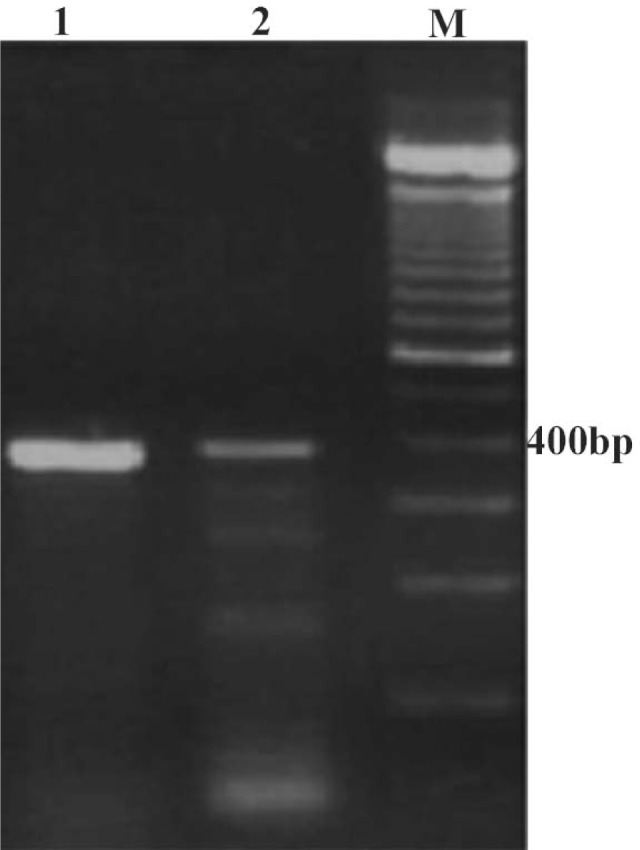
RT-PCR of human RNA, through the use of hP1 and hP6 primers, allowed us to amplify the human cDNA as it is shown in Figure 1.
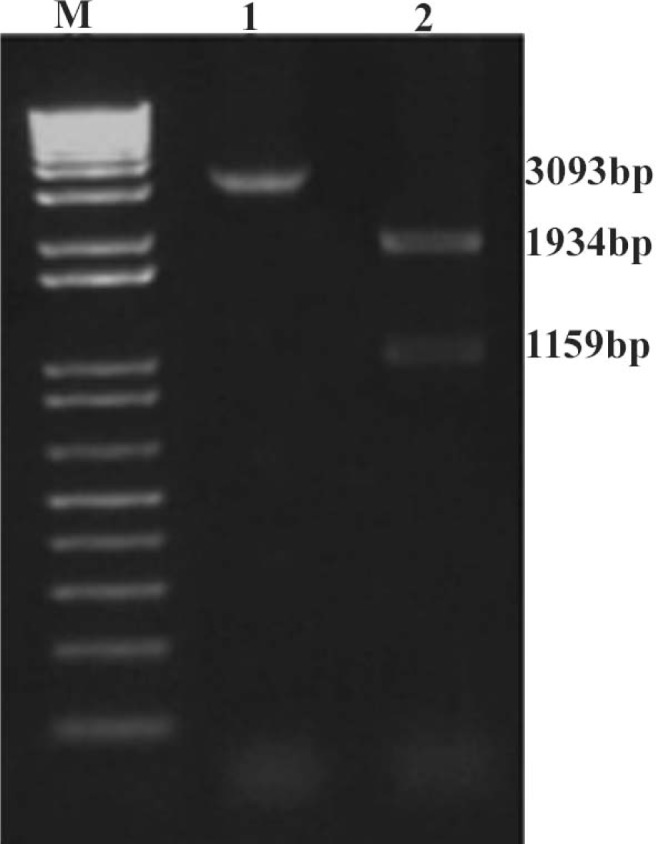
This fragment was purified, sequenced according to Sanger′s method (Cinagene, Iran) and compared to rat cDNA sequence. The comparison showed 87% homology. Application of PCR on human genomic DNA, by using primer pairs hP1/hP6, created a fragment of ∼3000bp length. On using web-cutter DNA database for finding a unique restriction site to be able to cut the human PERF15 gene into specific fragments, we found that PvuII restriction endonuclease digests PERF15 gene into two fragments. PvuII restricttion endonuclease digestion confirmed that the 3kb PCR product belonged to human PERF15 gene. The enzyme recognized a CAGCTG sequence in the 3kb PCR product and cut the fragment into two expected 1159 and 1934bp fragments (Figure 2).
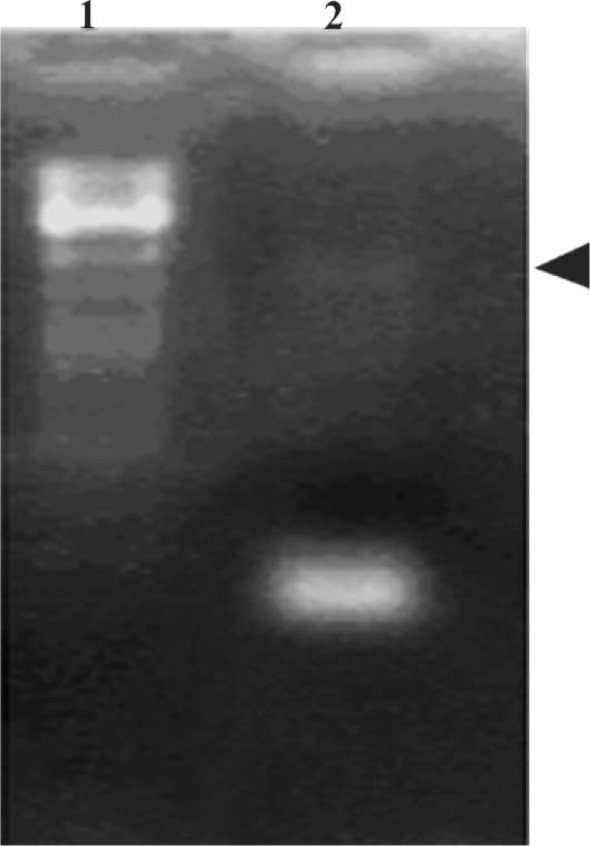
The sub-cloning of the 3 kb fragment into an appropriate vector, and its propagation in host cells, allowed the selection of several positive colonies which were later confirmed by PvuII restriction enzyme (Figures 3 and 4).
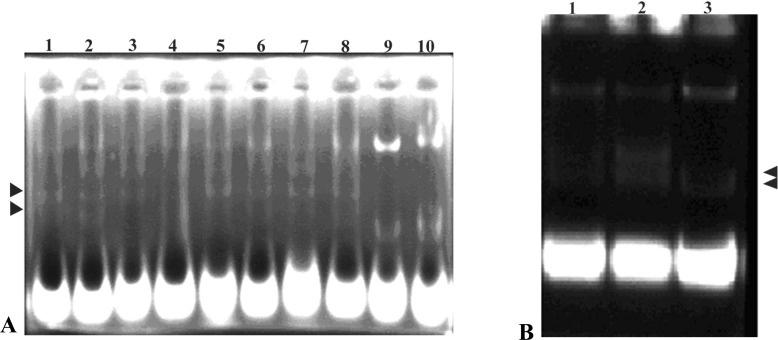
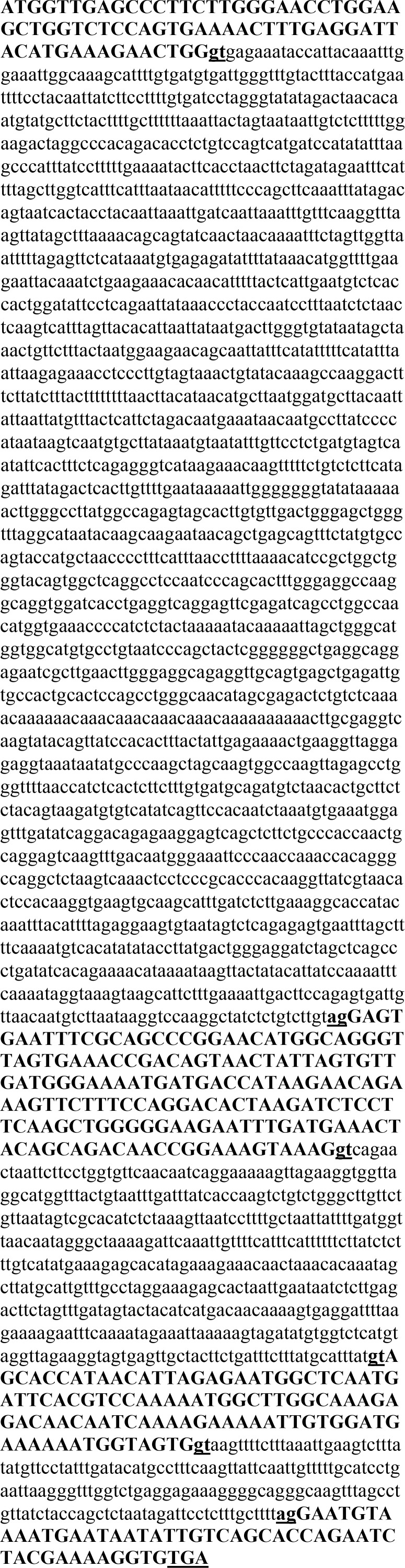
The DNA comparison program for comparing the nucleotide sequences of the 3kb gene fragment and the previously registered computational human gene sequence at NCBI with an accession number of XM_378035 confirmed the 3kb PCR product to be the intended gene. Human PERF15 gene, like rat PERF15 gene, has four exon and three intron regions. The length of the gene is three kilobases from the translating start codon. The sequences of the exons showed a 20% homology, but no significant homologies were found in the corresponding intron regions of rats (Figure 5).
Body fatty acid composition changes during spermatogenesis (7) and sperm abnormal fatty acid composition has been linked to infertility (13).
PERF15, a FABP, is expressed only during spermatogenesis (1), in mammalian testes (14), and in spermatozoa of rats (15, 2), Bulls (15), and mice (16). The protein could be influenced by changes in the composition of fatty acids. Due to PERF15 localization in spermatozoon that lies between the inner acrosomal and the outer nucleus membranes (14), and its high homology with other FABPs, it is presumed that this protein is required for sperm development (14). This protein shares physicochemical properties with anti-cellular retinoic acid-binding protein (CRABP), (17). Nucleotide comparison between rat and mouse PERF15 shows that both gene nucleotide sequences are identical except in nucleotide 183, which results in Lysine/Glutamic acid substitution in the protein chain. Additionally PERF15 is involved in spermatogenesis and programmed cell death in germ cells and degeneration is a necessary process for normal sperm maturation (18). This evidence suggests the involvement of PERF15 in spermatogenesis. Since human PERF15 is made of four exons and three introns and it shows a significant sequence similarity to other members of the gene family – such as rat PERF15 (66%), to ALBP, a lipid carrier molecule in adipocyte tissue (65%), and a 50% homology to cardiac FABP (picture) – the same function is presumed for all members of the supper gene family. Although, we did not arrange a hoisto-cytochemical experiment for detection the exact cell location of the human protein, the rate of gene similarities confirms the idea that human PERF15 has a lipid attachment potential like other proteins of the gene family. PERF15 binding affinity for phospholipids of the opposite membranes of sperm cytoplasmic organelles, i.e. acrosome and nucleus, causes mediated attachment of these membranes, which is essential for species-specific head formation and fertilization. Due to the similarities to other pointed mammalian PERF15, the same membrane attachment function is assumed for the human protein. Therefore, PERF15 seems to have a basic role in a successful fertilization (15, 19-20).
Previous investigations on human sperm pathology have revealed that in acrosomeless sperm from infertile men, perinuclear theca is absent (21-23). Considering the mentioned experiments, we assume that this human gene is also expressed in sperm cells during spermatogenesis and its function, due to its high homology in structure to other mammalian PERF15 like rat protein, might be to maintain a normal sperm morphology. Future studies using the cloned PERF15, may well advance our understanding of its involvement in the male reproductive system and its association with some male infertilities.
The perforatorium lipid binding protein (PERF15), a member of intracellular fatty-acid binding protein (FABP) multi-gene family was initially discovered in the rat sperm head between the inner acrosome and the outer nucleus membranes.
There is still no evidence about PERF15 gene function and its exact role in human testis.
We thank Dr. Rabbani, H. (Ph.D.) and Dr. Akhoondi, M. (Ph.D.) from Avicenna Research Institute, Dr. Kazemi, B. (Ph.D.) from Molecular Biology Research Center, Dr. Noori Nayyer, formerly at the Department of Genetics during the study period, Ms. Safavi-Naeini, Niloofar from the Department of Genetics of Shaheed Beheshti University of Medical Sciences for their technical assistance. The individuals and the institutions agreed to be acknowledged here. This work was supported, in part, by Avicenna Research Institute and Shaheed Beheshti University of Medical Sciences.
