
Genital tuberculosis is one of the commonest causes of infertility due to chronic pelvic inflammatory disease in women of developing countries (1–5). Due to nonspecific signs and symptoms, the disease often poses a diagnostic dilemma for gynecologists (4, 5). Endometrial tuberculosis is often associated with a poor prognosis with respect to conception and hence there is a need for early diagnosis and management to restore fertility (5). Effective chemotherapy for tuberculosis is crucial in decreasing the spread of the disease; however the prevalence is still increasing in developing countries due to increasing population and HIV infection (6).
Although M. tuberculosis has been the main causative agent, recent studies (7–9) indicate the increasing incidence of M. bovis infection in humans. Thus, rapid and less cumbersome, newer diagnostic approaches that can differentiate between M. tuberculosis and M. bovis need to be evaluated. Aside from the epidemiological relevance, it is also clinically important to differentiate between the two species as M. bovis is intrinsically resistant to pyrazinamide, a first line anti-tubercular drug.
Diagnosis of tuberculosis employs the identification of acid-fast bacilli (AFB) in smears stained by Ziehl-Neelsen technique and culture of the organism on Lowenstein-Jensen medium (10). However, in paucibacillary, extra-pulmonary endometrial samples, AFB smears are almost always negative besides the long period required for their culture.
Prabhakar et al. (11) discovered a histone-like protein and the gene encoding it was named the ‘hlp’ gene. This gene has been given the name ‘hupB’ gene by Cole et al. (12). The present study utilizes a nested PCR targeting the ‘hupB’ gene [Rv2986c in M. tuberculosis and Mb3010c in M. bovis] (7, 8, 11–15) in endometrial biopsy samples as a rapid diagnostic aid. This gene has 645bp in M. tuberculosis (Rv2986) and 618bp in M. bovis (Mb3010c) due to the deletion of 27 base pairs (9 amino acids) after codon 128 in the C-terminal part of the ‘hupB’ gene in M. bovis. Based on this difference, nested PCR can differentiate between M. tuberculosis and M. bovis (7, 8, 10–15).
The present study was planned to develop, evaluate and compare different diagnostic methods for tuberculous endometritis.
In this prospective study carried out in a tertiary care hospital in New Delhi, 100 cases of primary/ secondary infertility attending the infertility clinic of the hospital were enrolled after signing an informed consent form. They were investigated for tuberculous endo-metritis as one of the causes of infertility. All patients with polycystic ovarian disease, hormonal imbalances or any known cause of infertility were excluded from the study. The patients were subjected to detailed history and clinical examination. Routine biochemical and hematological investigations, Mantoux test and chest X-rays were done for all patients.
Serum sample was preserved (500 μL) at -20° C for the detection of IgG antibodies against 38-kDa and 16-kDa antigens of M. tuberculosis by ELISA. Endometrial biopsy/ curettage samples were taken from the patients under aseptic conditions. The study was approved by the relevant Institutional Ethical Committee.
Endometrial tissue samples were examined micro-copically after Ziehl-Neelsen staining of the smears for acid-fast bacilli. A part of each sample was inoculated on Lowenstein-Jensen culture medium and examined after 3-8 weeks for myco-bacterial growth (10). Histopathological examination of tissue sections was done for the presence of TB granuloma.
Estimation of IgG was done by Pathozyme-TB Complex Plus kit. The test utilizes the 38-kDa and 16-kDa antigens (which are both highly specific recombinant antigens for the Mycobacterium tuberculosis complex) to test the serum for the presence of antibodies.
Mycobacterial DNA was extracted by a method introduced by Chakravorty et al. (16) in a (grade 3) pathogenic laboratory. The PCR assay was carried out utilizing a 40-μl reaction mix (2, 10, 11) with two sets of primers -S and C terminal F-R. Positive, negative and controls were set up with each reaction. The first amplification step utilized N-S primers and was subjected to an initial denatureation at 95° C for 10 minutes followed by cyclic denaturation at 94° C for one minute 30 seconds (1′30″) annealing at 60° C for 1′30″, and extension at 72° C for 1′50″. 35 cycles were carried out followed by a final extension at 72 °C for 30′. The 645-bp and 618-bp products, respectively, were for M. tuberculosis and M. bovis which were then used as templates for the nested PCR to amplify the C-terminal portion of the hupB gene (8, 11, 12). The products – 118-bp (M. tuberculosis) and 89-bp (M. bovis) – were resolved on 8% PAGE1, stained with ethidium bromide and viewed in a gel documentation system.
Statistical analysis was done by the online GraphPad Prism software, version 5.0. McNemar's test was applied and Kappa agreement coefficient was calculated for agreement between various methods. A p-value smaller than 0.05 was considered significant, whereas a p-value smaller than 0.01 was considered highly significant.
Of the 100 infertile women included in the study, 82% were in the age group of 21-30 years. The majority of patients (71%) presented with primary infertility and 29% with secondary infertility. Along with infertility, 28 patients presented with menstrual complaints, six with abdominal/pelvic pain, three with dysmenorrhea and two with dyspareunia. Among the menstrual irregularities, oligomenorrhea was the most common complaint.
The enrolled women were screened for any evidence of pulmonary tuberculosis. 20% of the patients either gave a history of pulmonary tuber-culosis or were on anti-tubercular therapy. Three patients gave a history of prior contact with a patient with pulmonary tuberculosis. Four patients had chest X-rays suggestive of pulmonary tuber-culosis. Out of 100 patients, 30 patients had a positive Mantoux test.
The PCR detection rate for the disease was the highest of all the other tests (Table 1) as it detected 13 out of the 100 infertile cases, followed by histopathology, AFB and Culture. McNemar's test was applied to the above four tests and the p-value was highly significant (p<0.001). Of the 13 PCR positive cases, five were positive for M. tuberculosis and three for M. bovis, while five showed co-infection with both species (Figure 1).
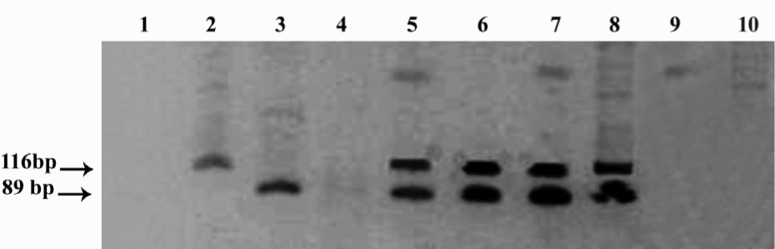
Table 1 Comparison of diagnostic modalities for endometrial tuberculosis (n=100)
| Method | Result | |
|---|---|---|
|
| ||
| Positive | Negative | |
| ZN smear for AFB | 1 | 99 |
| Culture on LJ medium | 0 | 100 |
| Histopathology | 4 | 96 |
| ELISA for IgG Antibody | 40 | 60 |
| PCR for hupB gene | 13 | 87 |
In our study, 40 patients (40%) had elevated IgG against M. tuberculosis 38-kDa and 16-kDa antigens on ELISA. Out of these 40 patients, 28 showed only a positive Mantoux reaction but none of them showed a positive ZN stain, culture or positive histopathological finding. Clinical presentation and positivity rate of other diagnostic modalities used for tuberculosis were compared in the 13 cases with positive PCR (as shown in Table 2).
Table 2 Clinical findings and investigations suggestive of tuberculosis in PCR positive infertile cases.
| Clinical findings | Patients (n=13) | |
|---|---|---|
|
| ||
| Number | Percentage (%) | |
| Hx of menstrual irregularities | 9 | 69.23 |
| Hx of pulmonary TB | 6 | 46.2 |
| Hx of contact | 2 | 15.4 |
| Chest X-ray | 1 | 7.7 |
| Mantoux skin test | 12 | 92.3 |
| ZN smear for AFB | 1 | 7.7 |
| Culture on LJ medium | 0 | 0 |
| Histopathology | 3 | 23 |
| Hysterosalpingography | 1 | 7.7 |
| ELISA | 12 | 92.3 |
92.3% of the PCR positive cases had a positive Mantoux reaction too (Kappa coefficient = 0.399) and raised serum IgG antibodies against M. tuberculosis 38-kDa antigen (Kappa coefficient = 0.319). Thus, a fair strength of agreement was found between detection of tuberculous endo-metritis by PCR, Mantoux test and ELISA. However, routinely used diagnostic methods for pulmonary/ genital tuberculosis (Chest X-ray, smear examination for AFB and hysteron-salpingography) were positive in only 7.7% of the cases (one out of 13 PCR positive cases).
The prevalence of genital tuberculosis in women presenting with infertility varies from 1% in developed countries to 30% in developing countries (6). Further, genital tuberculosis is a paucibacillary form of the disease in which smears and cultures are usually negative leading to the under-diagnosis of this clinical problem (2, 4). Early detection is crucial because, once the infection has damaged the tubes; restoring tubal patency is very difficult. The increasing incidence of M. bovis infection in humans also necessitates the differentiation between M. bovis and M. tuberculosis during diagnosis.
In this study evaluating 100 infertile women, only one patient's endometrial biopsy was found positive by ZN stain. When cultured, none of the endometrial biopsies showed any growth even after eight weeks (Table 1). In paucibacillary, extra-pulmonary genital tuberculosis, the efficacy of detection by smears and cultures is rather low. Mani et al. found that diagnosis of genital tuber-culosis by ZN stain could be achieved only in 2% of cases (5). Another study by Srivastava et al. detected only 5% of suspected genital tuberculosis cases by culture (17). Biswas et al. detected 4.8% of suspected genital tuberculosis cases by culture and none by ZN stain (18).
Senol et al., using the Pathozyme-TB Complex Plus kit (19) analyzed 179 tuberculous patients (143 smear-positive, 19 smear negative, eight lymphadenitis and nine pleuritis) and reported a very good specificity (93.3%), positive predictive value (95.9%) and an acceptable level of sensitivity (52.5%). According to another study utilizing the same kit by Demkow et al., the specificity, sensitivity, positive and negative predictive values were 99%, 56%, 94% and 88%, respectively in the detection of bone and joint tuberculosis (20). However, no data is available for genital tuberculosis. In our study, 40% of the patients had raised IgG against M. tuberculosis 38-kDa and 16-kDa antigens. However, serology-only diagnosis should be done with caution in endemic countries like India. Though, most of the serological tests have high specificity, their sensitivity is poor. In addition, they may be influenced by factors such as age, prior BCG vaccination and exposure to environmental mycobacteria. The serological tests may not be able to differentiate between infection and disease. Hence, ELISA can only be used as an adjunct to other diagnostic techniques.
The nested PCR assay targeting the hupB gene was positive in 13% (13 out of 100) of the patients in the study (Table 1). Thus, it has a higher positivity rate (13%) as compared to the conventional methods (smear and culture and histopathology). The high detection rate obtained in this study and those of previous works (8, 14–16) emphasizes the accuracy and potential of this assay as a rapid diagnostic aid for routine use in the future. Of the 13 PCR positive cases, five were positive for M. tuberculosis and three for M. bovis, while five showed co-infection with both species. As the study was conducted on a small sample size it may not be indicative of the general population and could be the proverbial ‘tip of the iceberg’.
A study by Abebe et al. also reported that 4% (1/25) of the clinically suspected patients of genital tuberculosis were positive by AFB staining, 12% (3/25) by culture, 28% (7/25) by histopathology and PCR gave the highest detection rate of 48% (21).
Another study by Manjunath et al., targeting the MPB64 protein coding gene in endometrial tissues, showed that 9/30 were positive, while culture was positive in only one case (22). Similar findings were also reported by Vishnevskaia et al. (23) and Mirlina et al. (24).
Among the PCR positive patients, the diagnosis was supported by histopathological evidence of tuberculosis in three patients and by smear microscopy in one patient (Table 2). The results of ELISA and Mantoux test correlate well with PCR. Out of these 13 patients, 12 patients had raised IgG against M. tuberculosis 38-kDa antigen and 12 patients had a reactive Mantoux test. The PCR results were further supported by the fact that six patients had a history of tuberculosis and two patients gave a history of contact with a diagnosed case. The PCR positive cases also remained positive even on repeated testing. Cross-contamination was ruled out, since all negative controls remained negative throughout the study and the samples were not processed as a batch. The clinical history and supporting laboratory investigations make it unlikely that the PCR positive but culture negative cases represent false positivity. On the other hand, it is reasonable to assume that these cases were detected by PCR assay because of its high sensitivity (ability to diagnose the disease before clinically relevant manifestations appear).
Based on the results obtained in our study and of previous works (8, 14–16) on the same gene target, it would not be presumptuous to say that this PCR assay can be used for the rapid diagnosis of extrapulmonary, paucibacillary cases where the conventional techniques are seldom positive. Another advantage is its ability to differentiate between M. tuberculosis and M. bovis infections, which cannot be differentiated clinically or by the routinely available diagnostic means.
Extrapulmonary tuberculosis is mainly caused by M. tuberculosis, though; M. bovis has been recognized as a potential human pathogen. In paucibacillary extra-pulmonary endometrial tuber-culosis, the efficacy of detection by conventional methods (smear and culture) is considered as the gold standard but the efficacy for histopathology is low.
The nested PCR assay targeting the hupB gene in this study should be further evaluated as a possible rapid diagnostic aid for the detection of tuberculous endometritis. Nested PCR can differentiate between members of the Mycobacterium tuberculosis complex, namely M. tuberculosis and M. bovis which otherwise have similar clinical presentations.
ELISA can be used as a corroborative investigation for the diagnosis of genital tuberculosis.
The authors declare that there are no conflicts of interest and the study was funded by the Institution (Lady Hardinge Medical College) itself.
