
Obesity and overweight are defined as abnormal or excessive fat accumulation that may threaten the health (1). According to the Centers for Disease Control and Prevention (CDC) overweight and obesity are determined using height and weight to calculate body mass index (BMI) (2). While genetic, age, sex and environmental factors may contribute to a person's tendency to gain weight, it is generally accepted that two primary causes of obesity are increased intake of energy-rich foods and reduced physical activity. Increase in body fat and obesity are the main risk factors for several diseases such as cardiovascular diseases, type 2 diabetes, musculoskeletal disorders, coronary heart disease, hypertension, dyslipidemia, liver and gallbladder disease, sleep apnea and respiratory problems and some types of cancers (3). They are also associated with disturbance in the hormones level that can affect the reproductive system and is obvious in obese women who present reproductive disorders (4, 5). The health consequences of obesity have been emphasized in different reports. Obesity has been reported to impact fertility by affecting on spermatogenesis (6, 7).
Obese and overweight men show a high incidence of infertility in association with metabolic disturbances and hormonal dysregulation (8, 9).
While male factors such as low quality of semen are responsible for 25% of all infertility issues, the etiology of suboptimal semen quality is poorly understood.
It has been proved that reactive oxygen species (ROS) produced during cell metabolism have positive as well as negative impacts on sperm function. Oxidative stress impair the sperm function through peroxidation of lipids, the induction of oxidative DNA damage and the formation of protein adducts. Mitochondria generates ROS and damages cytoplasmic organelles and initiates an intrinsic apoptotic cascade that results in loss of sperm motility, DNA integrity and sperm vitality. Although sperm is sensitive to oxidative stress, normal sperm function depends on low levels of ROS generation to promote signal transduction pathways associated with capacitation (10).
Large amount of adipose tissue accumulated in obese men probably induces the generation of OS which causes an increase in local lipid peroxidation (11).
Normal cell function is related to continuously removal of excess ROS with seminal plasma antioxidants. Antioxidants suppress the formation of new ROS or act as scavengers and remove ROS already generated. In healthy men, a delicate balance exists between physiological ROS and antioxidants level in male reproductive tract. The polyunsaturated fatty acids of the sperm plasma membrane are susceptible to ROS damage when concentrations of the scavenging enzymes are low in sperm cytoplasm (12).
With regard to the undesirable consequences of obesity and high-fat diet on male reproductive system, finding new and efficient strategies to reduce their consequences is necessary. Antioxidants act as free radical scavengers to protect spermatozoa against ROS. These antioxidants are superoxide dismutase (SOD), catalase, and glutathione peroxidase (GPX) (13). In addition, semen contains a variety of nonenzymatic antioxidant molecules such as vitamin C, vitamin E, pyruvate, glutathione, and carnitine (14). These antioxidants compensate for the loss of sperm cytoplasmic enzymes as the cytoplasm is removed during spermiogenesis, which in turn, diminishes endogenous repair mechanisms and enzymatic defenses (15).
Vitamin E plays a vital role in protecting cell membranes against oxidative damage through trapping and scavenging free radicals. Vitamin C is a water-soluble antioxidant that reduces radicals from a variety of sources and also serves to recycle oxidized vitamin E (15).
Astaxanthin, a red carotenoid pigment, is a biological antioxidant that occurs naturally in a wide variety of living organisms. It has many highly potent pharmacological effects, including antioxidant, anti-tumoral and anti-cancer, anti-diabetic and anti-inflammatory properties. However, its chronic effects as an anti-obesity agent have not been demonstrated (16, 17).
The present study was designed to evaluate the protective effects of vitamin E, C and astaxanthin on testis tissue. The purpose was to assess the improvement of motility, vitality and normal morphology of sperm and normal histological configuration in seminiferous germinal epithelium in rats received HFD. Also some biochemical factors have been analyzed in the serum to study their systemic effects.
Thirty-six albino Wistar rats (3 months old and 200±20 g weight) were used in the present study. They were divided to 3 groups. The control group received normal diet (ND), containing 304 kcal of energy per 100 grams, the high-fat diet (HFD) group received 444 kcal of energy per 100 grams and the third group received a high-fat diet with astaxanthin and vitamin E (HFD + A) for 12 weeks (444 kcal of energy per 100 g with 0.2% vitamin E, 0.2% vitamin C and 0.6% Astaxanthin 10%) (18, 19). High-fat diet is composed of milk fat and approximately 60% fat (Table 1). Intake of energy, fat, carbohydrate and protein in animals was calculated during the study (Table 2). Also animals’ weights were measured two times a week during the study.
Table 1 The weight load, sperm parameters and serum indexes in rats receiving diets with different amount of fat with or without antioxidant after12 weeks
| ND | HFD | HFDA | |
|---|---|---|---|
|
| |||
| Weight Load (g) | 161.9±16.9 a | 192.4±21.2 b | 115.9±30.25 c |
| Sperm Parameters | |||
| Count (per 1 ml) | 53.75×10 6±4.7×10 6 a | 56.35×10 6±6.4×10 6 a | 62.4×10 6±5×10 6 b |
| Viability (%) | 98.9±0.97 a | 97.3±1.5 b | 98.6±1a |
| Motility (%) | 65.1±5.5 a | 56.3±6.07 b | 73.4±5.5 c |
| Normal Morphology (%) | 98.7±0.56 a | 96.1±1.2 b | 97.75±1.2 a |
|
| |||
| Serum Indexes | |||
| HDL | 16.62±2.6 a | 25±3.5 b | 20.25±3.6 c |
| LDL | 39.7±5.4 a | 41.4±7.5 a | 44.7±5.2 a |
| HDL/LDL | 0.43±0.1 a | 0.62±0.14 b | 0.46±0.1 a |
| Total Cholesterol | 66.25±4.9 a | 108.75±18.5 b | 83.5±7.2 c |
| Triglyceride | 60.25±5.5 a | 167±12 b | 80.12±19.1 c |
| Antioxidants | 0.15±0.02 a | 0.18±0.02 b | 0.21±0.02 c |
ND: Normal Diet; HFD: High Fat Diet; HFDA: High Fat Diet with Antioxidants
Shows significant differences in the same row (p < 0.05)
Table 2 The amount of energy, fat, carbohydrate and protein intake of animals during the diet
| Fat (g) | Protein (g) | Carbohydrate (g) | Antioxidants (%) | Energy levels per 100 g | |||
|---|---|---|---|---|---|---|---|
|
| |||||||
| Vit. E | Vit. C | Astaxanthin | |||||
| ND | 3.84 | 23.75 | 43.03 | 0 | 0 | 0 | 304 kcal |
| HFD | 26.7 | 23.75 | 43.03 | 0 | 0 | 0 | 444 kcal |
| HFDA | 26.7 | 23.75 | 43.03 | 0.2 | 0.2 | 0.6 | 444 kcal |
ND: Normal Diet; HFD: High Fat Diet; HFDA: High Fat Diet with Antioxidants
Blood samples were collected from inferior vena cava, centrifuged at 300×g for 15 min and then levels of total cholesterol and serum triglycerides were measured using enzymatic methods. The level of HDL-C and LDL-C were determined by heparin-nickel and heparincitric acid methods according to the kit manufacturer's instructions (pars azmoon Co. Iran). FRAP method (Ferric Reducing Ability of Plasma) was applied to measure the level of total serum antioxidant according to the kit guidelines (pars azmoon Co. Iran) (20).
The animals were anesthetized and sacrificed After 12 weeks. Semen was obtained from the tail of epididymis and transferred to Hams′F10 medium to study sperm count, viability, motility and morphology according to the routine protocols. Testes were fixed in 10% formalin and after tissue processing, cut in 5 µm sections. Then the sections were stained with Hematoxylin and Eosine (H&E) and histologically evaluated with light microscope.
One-way ANOVA was used to compare data including weight, sperm parameters, histological data, HDL-C, LDL-C, total cholesterol and triglycerides among 3 groups. Post hoc comparisons were performed by Tukey test. Results were presented as mean and P-value of 0.05 or less (p ≤ 0.05) was considered significant.
Animals were weighed two times weekly during the experiment. Weight difference at the beginning and end of the study was defined as weight load. As it is shown in Table 1, weight load in HFD + A is significantly lower but it is high in HFD compared to the control (p < 0.05) (Table 1).
The level of total cholesterol, serum triglycerides and HDL-C/LDL-C in HFD group were significantly higher than ND and HFD + A groups (p < 0.05). Moreover, the level of serum antioxidant increased significantly in HFD + A group in comparison with the control and HFD groups (p < 0.05) (Table 2).
Viability, motility and normal morphology of sperm in HFD group significantly decreased compared to the HFD + A and control groups (p < 0.05). Moreover, the sperm number significantly increased in HFD + A compared to the HFD and control groups (p < 0.05) (Table 1).
The number of spermatogonia, primary spermatocyte, spermatid, Sertoli and Leydig cells was studied in seminiferous tubules epithelium. As it is shown in Table 3, spermatogonium significantly increased in the HFD + A group (p < 0.05). Therefore, it might support the increase of sperm number in the HFD + A group. The number of Sertoli cells significantly increased in the HFD + A group compared to the HFD and control (p < 0.05). Moreover, Leydig cells increased in interstitial space of HFD + A but not significantly (p > 0.05). Also, there were no significant differences between the number of spermatocyte I and spermatid in different groups (Figure 1, Table 3).
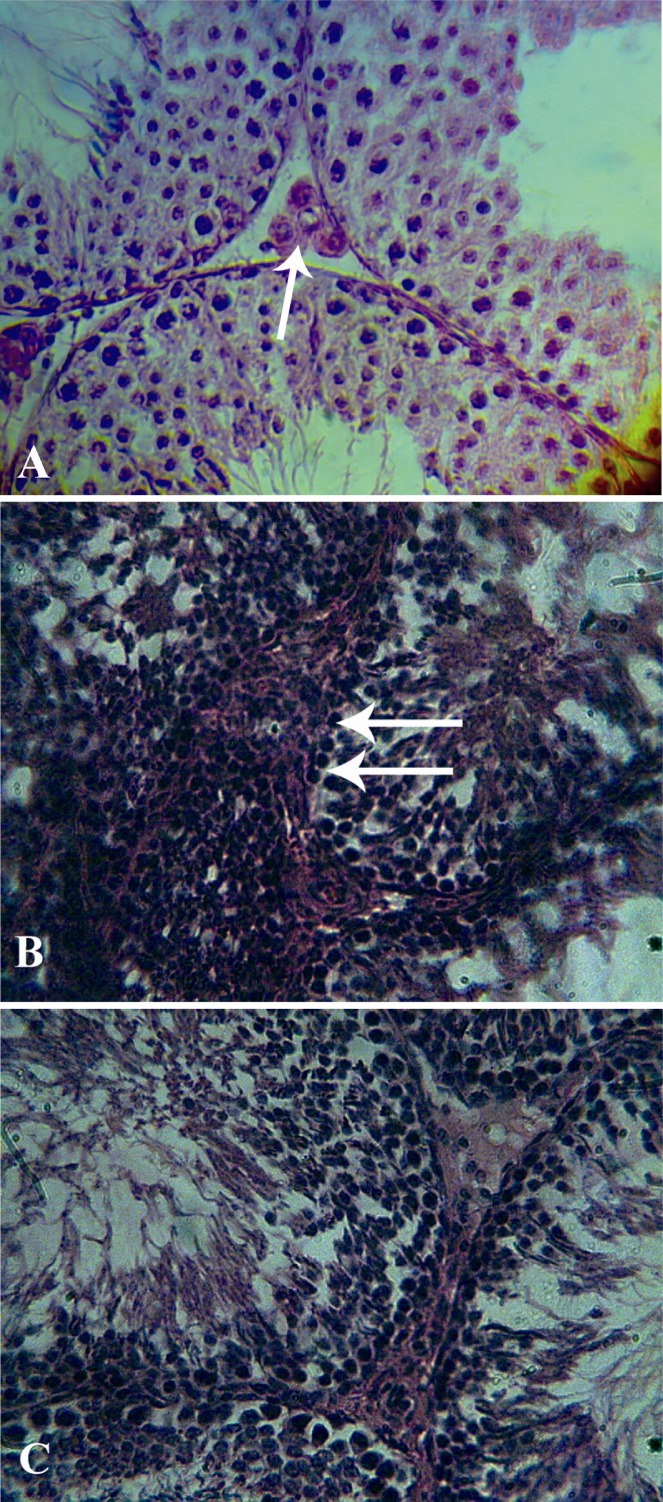
Table 3 Germinal epithelium cells in seminiferous tubules in different groups
| Spermatogenesis | ND | HFD | HFDA |
|---|---|---|---|
| Spermatogonium | 13.4 a | 14.6 a | 18.2 b |
| Spermatocyte I | 24.6 a | 25.8 a | 25.6 a |
| Spermatid | 22.8 a | 20 a | 22.8 a |
| Sertoli Cell | 5 a | 4.4 a | 7.2 b |
| Leydig cell | 11.2 a | 9 a | 11.2 a |
Shows significant differences (p < 0.05)
In the present study, the effects of antioxidants (Vitamin E, C and astaxanthin) on sperm parameters in animals fed a high-fat diet were investigated. Overall, it seems that HFD can affect the reproductive system and threaten fertility.
The adverse effects of obesity and high-fat diet on the reproductive system are supported by the previous observations (16, 21). Obesity and increased body fat have been reported to affect fertility by decreasing the quantity of spermatozoa (6, 9).
In obese men, high levels of fat are reserved in scrotum of testis, which lead to oxidative stress. Recent advances in the field of reproductive medicine have focused on reactive oxygen species (ROS) as one of the mediators causing sperm dysfunction and infertility. Male germ cells at various stages of differentiation have the potential to generate ROS and low physiologic levels are needed to regulate sperm capacitation, acrosome reaction and sperm–oocyte fusion (14, 15). To maintain normal cell function, excess ROS must be continuously inactivated by seminal plasma antioxidants. Antioxidants block the formation of new ROS or act as scavengers and remove ROS already generated (22). Although ROS are involved in many physiological functions of human spermatozoa, their excess production results in oxidative stress. Mitochondria and sperm plasma membranes are two locations of ROS production that involve complex enzyme systems such as creatine kinase and diaphorase. ROS damage spermatozoa DNA and result in increased apoptosis of the cells. Therefore, an effective scavenging system is essential to counteract the effects of ROS. Various endogenous antioxidants which belong to both enzymatic and non-enzymatic groups can remove the excess ROS and prevent oxidative stress. Several clinical trials have examined the potential of antioxidant supplementation to treat oxidative-stress-induced male factor infertility (23).
In the present study, we demonstrated that decrease in the viability, motility and normal morphology of sperm occurs with the increase in the levels of total cholesterol, serum triglycerides and HDL-C/LDL-C in high-fat diet-induced obese male rats. Hopefully, the levels of total cholesterol, serum triglycerides and HDL-C/LDL-C decreased in the HFD + A group. Our results confirmed that the treatment with antioxidants such as vitamin E, C and astaxanthin in the rats fed a high-fat diet could have beneficial effects on their serum indexes.
Moreover, the number of spermatocyte, Sertoli cells, sperm count, viability, motility and normal morphology in the HFD + A group was significantly higher than the HFD group. In fact, vitamin E, C and astaxanthin could act as effective scavenging system to counteract the effects of ROS. In vitro studies show that vitamin E is a major chain-breaking antioxidant in the sperm membranes and it appears to have a dose-dependent protective effect (24). The results of in vitro experiments suggest that vitamin E may protect spermatozoa from oxidative damage and loss of motility as well as enhance the sperm performance in the hamster egg penetration assay (25). Dose dependent effect of vitamin C, a water-soluble ROS scavenger with high potency on sperm motility has been demonstrated, too. Vitamin C (ascorbate) is another important chain-breaking antioxidant contributing up to 65% of the antioxidant capacity of the seminal plasma. Zhang et al., reported that ultrastructural observations in mice fed a HFD showed dramatically histopathological alterations in testicular tissues. The basement membranes of seminiferous tubules were partially thickened and wavy-like in testes of mice with hyperlipidemia. Furthermore, vacuolar degeneration of mitochondria and dilation of endoplasmic reticulum were identified as well as the number of mitochondria and lipid droplets significantly decreased in Leydig cells and Sertoli cells. Electron-dense deposits were observed in cytoplasms of germ cells. These results confirm the damage to seminiferous tubules and support our results about histological changes after HFD. Melatonin was also proved to be an antioxidant improving histopathological changes and reducing germ cell apoptosis in HFD mice (26).
In another study supporting our results, Erdemir et al. showed that Johnsen score which determines spermatogenesis characters decreased after HFD (27).
Astaxanthin is a natural carotenoid antioxidant and inhibits the increase in body adipose tissue weight resulting from a high-fat diet. In addition, astaxanthin reduced liver weight, liver and plasma triglyceride and total cholesterol. The primary use of astaxanthin for humans is as a food supplement. Due to astaxanthin's potent antioxidant activity, it can be beneficial in cardiovascular, immune, inflammatory and neurodegenerative diseases (28). Some researches support the assumption that it may protect body tissues from oxidative and ultraviolet damage through its suppression of NF-κB activation (28).
It is suggested that the decrease in the weight load in HFD + A might contribute to fat burning effects of antioxidants.
Finally, it is obvious that HFD disturbs sperm quality and induces pathological changes in seminiferous tubules and affects the spermatogenesis. These changes may alter testicular functions and consequently it may be speculated that obesity can be an important causative factor in the etiology of male infertility. Also, antioxidants improved sperm parameters such as motility and morphology which are the most important factors in normal fertility.
In fact, more studies are required in cellular, biochemical and molecular fields to learn more about the effects of HFD and antioxidants on the reproductive system.
Our study indicated that high-fat diet may affect the male reproduction system through destructive effects on seminiferous tubules and spermatogenesis. Vitamins and other antioxidants could improve the histopath ological changes in seminiferous tubules and sperm parameters in animal HFD model, but its protective effects on obese men needs to be clarify via future studies on human.
