
Dysmenorrhea, a Greek term, refers to painful uterine contractions during menstruation (1). It is associated with spasmodic pain in the abdomen during menstrual bleeding (2). Primary dysmenorrhea is the main cause of work absenteeism, decreased quality of life, and reduced ability to carry out daily activities (3, 4). In primary dysmenorrhea, the pain is not accompanied by a pelvic disorder. In addition, it is more common in younger women but may last until the fifth decade of life (5). Dysmenorrhea results from uterine contractions associated with ischemia (6). Increased concentrations of prostaglandins, vasopressin, leukotrienes, and emotional factors may also result in dysmenorrhea (7).
The prevalence of primary dysmenorrhea has been reported to range from 42 to 95% in different countries (8–11). Various non-invasive nutritional and psychological interventions have been suggested as treatments. These include psychotherapy, yoga, hypnotherapy, massage, transcutaneous electrical nerve stimulation, vitamins and nutritional supplements. Prescribed medications include inhibitors of prostaglandin synthesis and non-steroidal anti-inflammatory drugs (NSAIDs) for the relief of pain as well as oral contraceptives. Non-pharmaceutical treatments include acupuncture and surgery. Several of these treatments may have adverse effects or may be contraindicated in certain groups of women (5, 12).
Due to the lack of side effects compared with synthetic drugs, approximately 60% of the world's population is dependent almost entirely on plants for medication. Natural products have been known to be effective therapies (13). The use of herbal medicines has been common hundred years before pharmaceutical companies began to work, and furthermore, many drugs have a herbal basis. The consumption of herbal supplements has been increased in the developed countries, especially the USA, at different age groups for various reasons (14, 15).
Traditional medicines like brewed herbs have been used to treat dysmenorrhea across the world (16). Many women believe that dysmenorrhea is a normal cycle of menstruation and does not need pharmacological treatment (14). Naturally occurring agents used to treat dysmenorrhea include herbal brews (eg., mint, chamomile, and oregano) the roots of plants (eg., carrots and turnips) and the petals of plants (marigold, hyacinth, and fenugreek) (12, 17). In a study, 78% of the participants used the fenugreek, mint, and green tea among which fenugreek had been used more than the others (14).
Fenugreek [Trigonella foenum-graecum (Legu-minosae)] is the most frequently used herbal galactagogue and is a member of the pea family (18). In Iran, fenugreek has been registered under the name “Shanbalile” (/Šambalile/) (19). Fenugreek is an annual herb with medicinal properties and has been known as the oldest herbal medicine in Egypt and Greece (20). Today, new information has been achieved on the benefits and pharmacological effects of fenugreek on human wellbeing (21, 22). Fenugreek plant is native to the West Asia and Iran (23). The Food and Drug Administration (FDA) in the USA lists it as being a generally recognized as safe (GRAS) plant. It has been utilized around the world for centuries (18). Fenugreek is added to ordinary foods of Indians, Egyptians, and Yemenis (13).
Fenugreek seeds are used as spices in food preparations to improve or impart flavor and are good sources of protein, fat, minerals, and dietary fiber (24). The use of fenugreek dates back to the ancient Egypt when it was used to facilitate childbirth and increase mother's milk. Egyptian women still consume fenugreek for decreasing dysmenorrhea. Fenugreek was also used as a poultice to treat gout, inflamed glands, tumors, scars, wounds, and various skin inflammations (25, 26). The ripe and young fenugreek seeds are full of carbohydrates and sugar, galactomannan, amino acid, fatty acid, vitamins, folic acid and saponins (22). The main chemical constituents of fenugreek are proteins rich in lysine and tryptophan, flavonoids (eg., quercetin, trigonelline, saponins, and phytic acid), and polyphenols (24, 27).
The well-documented therapeutic uses of fenugreek are its activity against hypoglycemia and hypolipidemia (28–30). It also protects the gastrointestinal (31) and cardiovascular systems (32). Fenugreek seeds are also used in traditional medicine to relieve common cold, arthritic pain, and hyperglycemia. The extracts and isolates of fenugreek seeds have antioxidant and anti-inflammato-ry activities (33). The anti-inflammatory and analgesic effects of fenugreek have been demonstrated in experimental models (34–37). A study proved the role of the serotonergic system in the analgesic effect of the fenugreek extract on mice and introduced the probability for the existence of other analgesic mechanisms. It also mentioned the superficial similarities between fenugreek extract and non-steroidal anti-inflammatory drugs and the presence of their analgesic, anti-fever, and anti-inflammatory effects in combination (34).
Phytoestrogens are herbal compounds with estrogenic activity; fenugreek contains phytoestrogen compounds (38). The present study was conducted to evaluate the effects of oral administration of fenugreek on the severity of primary dysmenorrhea among students. The article also considered the ongoing studies in the world in the field of traditional medicine and abundance of some plants that have been mentioned as herbs with analgesic and anti-inflammatory effects among Iranian traditional medicines.
This was a double-blind, randomized, placebo controlled trial investigation. It involved unmarried students living in a dormitory at Shahid Beheshti University (Tehran, Iran) from October 2010 to April 2011 who experienced moderate-to-severe dysmenorrhea. The study protocol was approved by the Research and Ethics Committee of the Faculty of Nursing and Midwifery, Shahid Beheshti University of Medical Sciences and is registered in the Iranian Registry of Clinical Trials (Number 201106196807N2). Students were informed about the purpose and methods of the study and provided with written consent forms for participation.
It was estimated that a sample size of 100 participants was required to reach statistical significance at the 95% confidence interval. Computer-generated random numbers were used to divide participants into two groups for receiving fenugreek or placebo. Participants and researchers were kept blinded to treatment allocation.
The variables related to dysmenorrhea and systemic symptoms including age, age of menarche, age of dysmenorrhea and BMI were matched between the two groups. Other variables, such as underlying diseases (Diabete, Chronic hypertention, Infectious diseases) which might affect fenugreek consumption or the inhibition of its use in such people were controlled by excluding those samples from the study. Students who had irregular menstrual cycles, endometriosis, history of medication usage, experienced acute stress, and/or had vaginal symptoms (burning, irritation, itching, or discharge) were excluded from the study. It was supposed that people who were allergic to fenugreek or other plants or had used herbal drugs during the previous 3 months should have been excluded, though such cases were not found. Samples who showed allergy to the fenugreek when consuming it, did not use the capsule properly, used any other herbal drug during the intervention, stopped taking the capsule, and used 4 capsules or less daily were excluded from the study.
Fenugreek seeds (from one geographical region)were purchased from Zardband Pharmaceuticals (Tehran, Iran). After identification and verification of the samples of fenugreek seeds in the Botanical Laboratory at the Faculty of Traditional Medicine at Shahid Beheshti University of Medical Sciences, samples were ground down. The seed powder was placed into capsules (900 mg) using an automated machine. The placebo capsules contained potato starch. The capsules were similar with respect to shape, color, and packaging. Fenugreek and placebo capsules were taken three times a day [For the first 3 days of menstruation, 2–3 capsules containing fenugreek seed powder (900 mg) were given three times daily]. The intervention continued for two consecutive menstrual cycles. Participants were allowed to use NSAIDs such as ibuprofen and mefenamic acid, if required. However, they were asked to take these medications ≥1 hr after taking the study capsule and to record pain severity before consumption of the sedative.
Before the intervention and during each treatment cycle, content and test–retest methods were used to assess the validity and reliability (r =0.89) of the questionnaire, respectively. The following demographic data were collected: age, body mass index (BMI), educational level, occupation of the parents, exercise program, and stressful factors in the past 6 months. A self-reported checklist was used to collect information on the number of sedative drugs taken for dysmenorrhea, pain severity, and the systemic symptoms associated with menstruation.
During the first three days of menstruation, the pain severity of each sample was measured three times a day on a 10 cm visual analog scale (VAS) at the time the sample felt the most pain during the hours of 8–13, 13–18, 18–24 o'clock (every 8 hr a day) and was classified as “mild” (score of 1–2), “moderate” (3–7), or “severe” (8–10, 39). A multidimensional verbal scoring system from 0 to 3 was used to assess the severity of associated systemic symptoms (fatigue, diarrhea, syncope, nausea, vomiting, lack of energy, headache, and mood swings) (40).
The validity of VAS, which was used to measure the pain has been determined in many studies. This scale has a wide range of applications in studies and is considered as one of the most useful and reliable pain measures (41, 42). The questionnaire related to the multidimensional verbal scoring system is valid and has been used in numerous studies (40, 41, 43, 44). The imprint codes for the capsules were recorded on a separate sheet.
SPSS ver16 (SPSS, Chicago, IL, USA) was used for the statistical analyses. Descriptive data are presented as frequencies, mean values and standard deviations and t-test was used to compare age, age of menarche and other variables between the two groups. The Friedman test was used to compare pain severity between the three menstrual cycles. The Mann–Whitney U test was used to compare the findings between the two groups. If the results of the Friedman test were significant, the therapeutic cycles were compared in pairs via the Wilcoxon signed-rank test and modification of the α level. P < 0.05 was considered significant.
Among 400 unmarried female dormitory residents, 221 reported primary dysmenorrhea. After exclusions, 106 individuals were enrolled in the study. The final analysis involved 101 students, 51 of whom received fenugreek and 50 received placebo. There were no significant differences between the groups with respect to age, age at menarche, onset of dysmenorrhea and BMI (Table 1).
Table 1 Demographic characteristics of the participants a
| Characteristics | Fenugreek | Placebo | p-value b |
|---|---|---|---|
| Age (year). | 19.86±1.52 | 20±1.56 | 0.6 |
| Age of Menarche (year) | 12.78±1.04 | 12.76±30.1 | 0.91 |
| Age of dysmenorrhea | 16.08±2.02 | 16.26±2.05 | 0.65 |
| Body mass index c | 22.31±2.49 | 21.59±2.24 | 0.10 |
Values are given as mean±SD unless otherwise indicated
P-values were calculated using the Student's t-test
BMI was calculated as the weight in kilograms divided by the square of the height in meters
Pain severity at baseline did not differ significantly between the groups. In the fenugreek group, pain severity decreased from 6.4 at baseline to 3.25 in the second cycle, whereas that in the placebo group decreased from 6.14 to 5.96 (Table 2). Pain severity in each intervention cycle differed significantly between the two groups, with pain reduction in each cycle being significantly larger in the fenugreek group (Table 3). The duration of pain in intervention cycles was shorter in the fenugreek group (p = 0.01). With respect to the duration of pain, there were no meaningful differences between the two cycles in the placebo group (p < 0.07) but, in the fenugreek group, the duration of pain decreased between the two cycles (p < 0.001). The mean number of sedative tablets required in the fenugreek group decreased significantly (Figure 1) (p < 0.001). Furthermore, in the fenugreek group, the severity of the systemic symptoms associated with dysmenorrhea decreased significantly as well (p < 0.001) (Table 4).
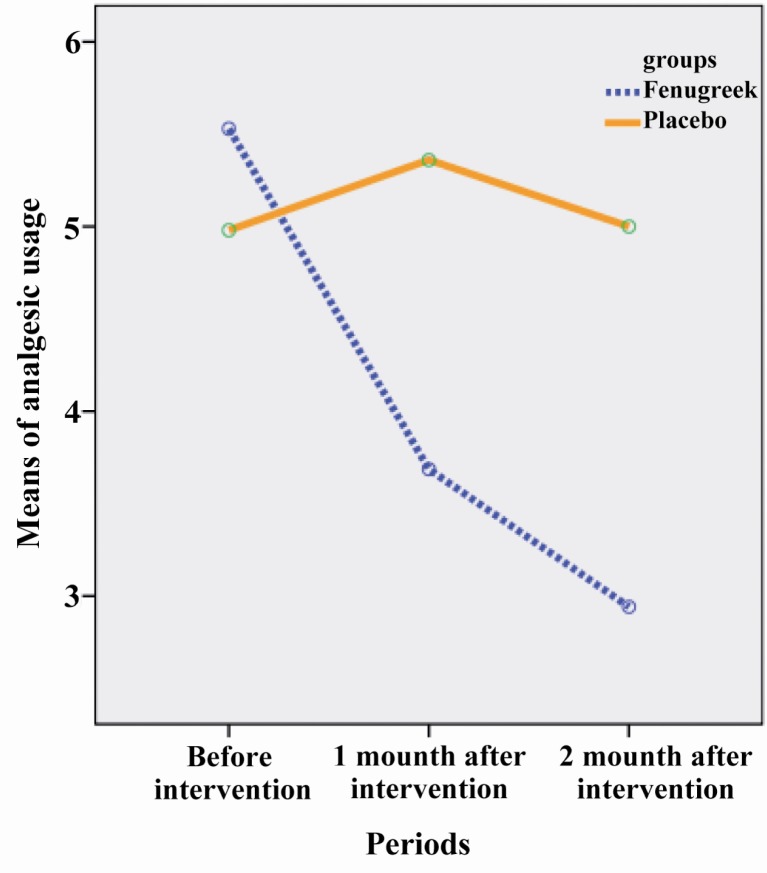
Table 2 Pain severity measured on a 10 cm visual analog scalea a
| Fenugreek | Placebo | p-value c | |
|---|---|---|---|
| Baseline | 6.4±1.83 | 6.14±1.89 | 0.49 |
| 1st Cycle | 4.32±1.50 | 6.03±1.78 | <0.001 |
| 2nd Cycle | 3.25±1.25 | 5.96±1.87 | <0.001 |
| p-value b | <0.001 | 0.016 | -- |
Values are given as mean±SD unless otherwise indicated
Friedman test
Mann–Whitney U test
Table 3 Extent of the reduction in pain severity as measured on a 10 cm visual analog scale a
| Fenugreek | Placebo | p-value b | |
|---|---|---|---|
| Baseline to first cycle | 2.14±0.93 | 0.11±0.78 | <0.001 |
| Baseline to second cycle | 3.22±1.23 | 0.18±0.81 | <0.001 |
Values are given as mean±SD unless otherwise indicated
Mann–Whitney U test
Table 4 Severity of systemic signs associated with dysmenorrhea, as measured on a multidimensional verbal scale score, range (0–3) a
| Fatigue | Nausea and vomiting | Lack of energy | Headache | Diarrhea | Mood swings | Syncope | |
|---|---|---|---|---|---|---|---|
| Fenugreek | |||||||
| Baseline | 1.86±0.80 | 0.93±0.870 | 1.98±0.96 | 1.45±0.96 | 0.73±0.85 | 2.12±0.93 | 0.24±0.51 |
| 1st Cycle | 1.10±0.57 | 0.45±0.64 | 1.18±0.74 | 0.76±0.90 | 0.35±0.59 | 1.18±0.71 | 0.16±0.36 |
| 2nd Cycle | 0.51±0.67 | 0.27±0.49 | 0.59±0.66 | 0.33±0.51 | 0.27±0.53 | 0.71±0.83 | 0.08±0.33 |
| p-value (Friedman test) | <0.001 | ||||||
|
| |||||||
| Placebo | |||||||
| Baseline | 1.86±0.70 | 0.53±0.71 | 2.13±0.84 | 1.50±1.12 | 0.64±0.69 | 1.92±1.08 | 0.12±0.32 |
| 1st Cycle | 1.86±0.88 | 0.62±0.72 | 2.00±0.83 | 1.34± 0.97 | 0.60±0.67 | 1.74±0.98 | 0.16±0.42 |
| 2nd Cycle | 1.64±0.74 | 0.58±0.88 | 1.84±0.84 | 1.44±1.03 | 1.04±3.10 | 1.74±1.10 | 0.10±0.30 |
| p-value (Friedman test) | 0.75 | 0.43 | 0.01 | 0.24 | 0.71 | 0.59 | 0.58 |
Values are as the mean±SD unless otherwise indicated
Women with dysmenorrhea suffer from increased uterine contractions (6). It has been shown that fenugreek has therapeutic effects against diabetes, infertility, and fungal infections, and that it has analgesic, anti-inflammatory and antipyretic properties as well (45). The present study was the first to investigate the use of fenugreek in the treatment of dysmenorrhea. Studies have shown that fenugreek seed has been used for controlling dysmenorrhea and mastalgia (14, 16, 25, 26). In USA, fenugreek has been used for the treatment of post-menopausal vaginal dryness and dysmenorrhea since the nineteenth century (46). The anti-spasmodic effect of fenugreek on gastrointestinal system has been recognized and this may justify its effectiveness in dysmenorrhea. Moreover, diuretic property of the fenugreek decreases pelvic hyperemia and this property may explain the effectiveness of fenugreek in dysmenorrhea and reduction of mastalgia (14). The chronic analgesic effect of the fenugreek extract was observed and studies have shown that fenugreek seed reduced the pain through serotonergic system (36).
Anti-inflammatory, antipyretic and anti-anxiety effects of leaf extracts of fenugreek were proved in animal models (19, 34, 45–48). Phytochemical studies have revealed that alkaloids, glycosides, and phenols are the major components in fenugreek extracts (19, 34). Although the existence of anti-inflammatory, analgesic and antipyretic effects in extracts suggests a NSAID-like mechanism, the presence of alkaloids as well as the absence of flavonoids, saponins and steroids does not. Therefore, the alkaloid compounds in the extracts may have several effects (21). Phytoestrogens are herbal compounds with estrogenic activity; fenugreek contains phytoestrogen compounds (49). Compared to dexamethasone and ibuprofen, the fenugreek has showed similar anti-inflammatory effects. Diosgenin in fenugreek is a steroidal sapogenin and is one of the compounds of fenugreek extract which acts as cortisone, and consequently, reduces anxiety (19).
In the present study, pain duration in the intervention cycles was shorter in the fenugreek group (p = 0.01). Hence, fenugreek seems to be effective in reducing the duration of dysmenorrhea. Both groups exhibited a reduction in the severity of other symptoms associated with dysmenorrhea. However, in the placebo group, symptom alleviation was not significant except in the reduction of lack of energy (p = 0.01). Therefore, fenugreek may reduce dysmenorrhea-associated systemic symptoms (nausea, vomiting, lack of energy, headache, diarrhea, mood swings, syncope, and fatigue). The antihistaminic effect of fenugreek may reduce premenstrual symptoms. The effectiveness of fenugreek has been observed in dysmenorrhea, but not in temperament (14). The effects of fenugreek on systemic signs such as vomiting and anemia have also been reported (21). Anemia causes lack of energy and fatigue, and fenugreek leaves are a rich source of calcium, iron, β-carotene, and vitamins (49). One of the systemic symptoms associated with dysmenorrhea is headache, and fenugreek has been shown to alleviate this symptom (45).
Fenugreek seed paste is used to treat abscesses, boils, ulcers and burns. Consumption of fenugreek seed powder has therapeutic effects against gastritis and gastric ulcers due to bacterial infections (50). The fenugreek is full of minerals which have positive effects on the immune system and its therapeutic effects may be justified by its minerals (51).
The fenugreek group used fewer sedatives after the intervention. This is an important finding because NSAIDs have numerous adverse effects, including nausea, vomiting, dizziness, purpura, petechiae, hyperkalemia, peripheral edema, peptic ulcers and gastric bleeding (52). In the present study, no complication was reported with regard to fenugreek consumption. Very mild effects and side effects of fenugreek have been introduced (53–55). The existing evidence proves the non-toxicity of the aqueous extract of fenugreek. No nutritional response has been observed in studies related to fenugreek (56). This plant contains nontoxic mucilage, alkaloid, and sugar and has not shown any specific side effect. One of the studies showed side effects like allergic reactions, but no hematological toxicity (13, 22, 57). The effectiveness of fenugreek in symptoms of dysmenorrhea and its harmlessness have been observed (58). Based on the findings of the present study, further studies are needed to compare fenugreek with anti-inflammatory medications.
The present study showed that fenugreek reduced the severity of primary dysmenorrhea. Given that adverse effects were not reported for fenugreek, the herb can be administered safely for the management of this condition.
The authors appreciate the participants in this study. This article is extracted from Miss You-nesy's thesis for MS degree in Shahid Beheshti University of Medical Sciences.
