
Usually deficiency in reproductive system is known as a disease (1) and infertility has a negative concept in ancient myths and civilizations (2). Based on reports, average of 10–15% of couples are infertile (3–5) but this is reported up to 22% in Iran that is thinkable (6). In the past, infertility treatment has been done by treatment of reproductive system in male or female by management of chronic diseases such as diabetes or thyroid diseases (7, 8). In the past three decades, infertility treatment has been improved with advances in medical science. Sexually transmitted disease has decreased and level of public health has increased. Since 1970, ART treatments have opened a new view in infertility treatment and specialists` approach has changed from research to practice and fertility probability increased (1, 9, 10).
Take home baby is the aim of the couples (patients) and physicians choose the most simple and natural way to achieve the goal. Infertility has many causes in both or one of infertile partners and sometimes no specific reason can be found for the patient infertility (7). In these cases, treatment is difficult and ART should be used (11). Infertility treatment by many ART methods is invasive and sometimes has no successful result. ART procedures have the purpose to overcome unknown problems and they are expensive yet (12). In fifty percent of infertile couples, the problem relates to both partners and (13) thus cost effectiveness of treatment is very important for them (14–16). Infertility treatment should be repeated several times; however a few infertile couples achieve successful pregnancy with the first cycle. For these subjects, the cost is more important. These costs usually are not covered by insurance and may not be efficient for couples. Infertility in most societies has a bad label for couples and the problems would be extended to family (17, 18).
Through the lens of genetic, immunologic, infection, endocrine and other factors that affect infertility, identifying the cause of infertility is very important. In these circumstances, having a prognosis for probability of pregnancy is helpful, thus physicians and patients anxiously look for a measure of treatment success (19, 20). They search for an estimation that guides them for decision making about treatment. Type of disease and the characteristics of couples and approach to treatment determine the costs (13, 21, 22).
Infertility treatment has been carried out in Iran during recent decades and physicians and patients are interested in predicting the success in infertility treatment. A good prediction of treatment success must be done by regional (aborigine) model. Two favorable events may occur as a result of providing an acceptable prediction of treatment success rate in an infertile couple. First, the couple will have a cost-benefit estimate and can decide for their future accordingly. Second, the physician can choose the best and the most cost-effective option, depending on circumstances of the patient. It is hugely important for physician to make the right decision to shorten time and avoid complications that may physically harm the patient (23).
In the past three decades, new approaches have been used in infertility treatment. Laboratory techniques for saving and freezing sperm, oocyte and embryo have created a new arena (13, 24). Physicians usually have challenges for estimating the success of infertility treatment and prediction models can efficiently help them (25). Recently, prediction models for infertility treatment success have been proposed in Europe and America. Therefore, prediction of treatment success is a new field in infertility treatment (26–30).
Different therapeutic methods have been compared in different studies such as clinical trials, and prediction models have been designed for them in various studies; mostly based on linear and logistic regression analysis, Cox regression, and other statistical methods (7, 25, 31–34). This paper was a systematic review of effective factors and models in this respect. Therefore, the purpose was to recognize the models and their effective factors in this field which empower us to be careful in applying them.
There are various methods for prediction based on statistics or neural networks (35). It has not been a long time since prediction models for assisted reproductive techniques were produced and applied. Infertility treatment success has been predicted since 1987, when Varmain predicted pregnancy outcome of infertility treatment (36). This was followed by publication of jri_articles by Collins and Hull, that investigating the issue from their own particular angle (37, 38). For clinical application of these models, first, their reliability and validity have to be assessed and necessary modifications have to be made. Using an incorrect prediction may have adverse consequences for both physician and couples (patients) (9). Thus of the first, the most appropriate model should be chosen and used after theoretical assessments. Second, the model should undergo rigorous evaluation to enable its use with confidence (39). Importantly, results from using these models should be regularly recorded and assessed to provide feedback for ongoing modification and completion (9, 24). With the right information, it is possible to provide an acceptable prediction, using reproductive prediction models. These models use statistics and results from past procedures to provide prediction through probability analysis (24).
In this review study, jri_articles on prediction models and predicting factors of successful infertility treatments were examined. Search was based on Pubmed, Pubmed central, SCOPUS, EMBASE, Cochrane library and Ovid database.
A particular timeframe was not specified for the search, but only English jri_articles and jri_articles with English abstracts were included. Keywords were selected from the terminology approved by the International Committee of Monitoring ART and World Health Organization Revised Glossary of ART.
Similarity of the article’s title and its abstract with our study aims was the main criteria for selection of article.
To complete the search and avoid missing out jri_articles by scholars (distinguished researchers), their jri_articles were identified in the references, and their names were searched independently to find and review their jri_articles. jri_articles meeting study inclusion criteria were selected and added to those previously chosen.
Next, abstracts from selected jri_articles were carefully read and a table was drawn containing data extracted from these abstracts, which was assessed by the group according to “eligibility evaluation”. After refining titles, doubts about their inclusion in the first stage of study were overruled by reviewing abstracts. Rejection of jri_articles was approved by the senior researcher, after reviewing them.
Final table of data containing features from these jri_articles was prepared. Disagreements about final selection of jri_articles were resolved through group discussions, and final decision was made by the senior researcher. jri_articles that contained information on prediction models for IUI-ICSI-IVF techniques, treatment success rates, and factors affecting prediction were included in the study. Figure 1 displays article selection and refinement sequence. Article selection, elimination, and quality criteria are presented in table 1 (9, 40).
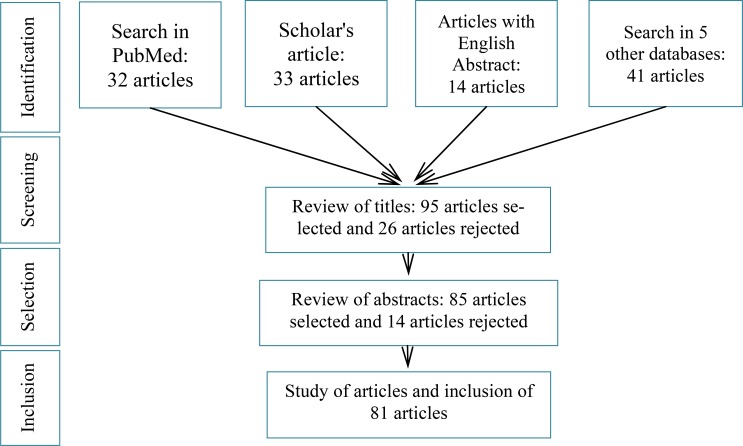
Table 1. Criteria for selection and quality of jri_articles
| Inclusion criteria |
|
| Exclusion criteria |
| jri_articles containing information besides inclusion criteria were excluded. For example, jri_articles concerning the effect of a gene, a syndrome, or a certain infertility treatment surgery technique; the effect of infections or their treatment on infertility treatment, or psychiatric issues in infertility treatment, were excluded. |
| Quality of jri_articles |
| jri_articles meeting the following criteria were included: defined treatment success/data collected from a specific source/clear report or analysis of lost data/defined study variables/defined diagnosis and treatment of infertile cases/clear treatment and fertility intervals/clear patient follow-up period and study conducted in a continuous period |
Of the 121 jri_articles identified, 4 were excluded according to inclusion criteria (systematic review and assessment of other jri_articles). Ultimately, 81 jri_articles were selected. Selected jri_articles had been produced in 20 reference countries and covered information after 1970. Statistical population mostly studied consisted of patients attending fertility treatment centers or university teaching hospitals. In some cases, study population comprised patients from several centers in a region, or a country. Table 2 shows number of studies based on time of development of prediction model or factors affecting prediction.
Table 2. Number of studies according to previous review and after assisted reproductive treatment
| Time of study | Number |
|---|---|
| Before ART treatment | 25 |
| After ART treatment | 56 |
| IVF | 47 |
| IUI | 12* |
| ICSI | 5* |
| Total | 81 |
Some cases are in common with IVF (6 in total)
Sample size in these studies is shown in table 3. In some jri_articles, both number of couples and number of cycles have been studied.
Table 3. Sample size in different studies
| Sample size | Number |
|---|---|
| <100 | 4 |
| 100>study>500 | 26 |
| 500>study>1000 | 20 |
| 1000>study>5000 | 25 |
| >5000 | 6 |
Table 4. Structure and design of studies
| Study design | Number |
|---|---|
| Retrospective Cohort | 30 |
| Prospective Cohort | 43 |
| Case Control | 1 |
| Clinical trial | 4 |
| Cross sectional | 3 |
| Total | 81 |
Table 5. Approach of jri_articles toward prediction models for infertility treatment outcome, and factors affecting it ( 11, 34, 42–55)
| Time | Approach | Number | Number | |
|---|---|---|---|---|
| Before starting ART procedures | ||||
| Treatment independent | 16 | External validation of model | 5 | |
| Hormone levels | 3 | |||
| Sperm factors | 3 | |||
| Effect of diagnostic test | 2 | |||
| Effect of time | 3 | |||
| Treatment dependent | 3 | Drug effect | 2 | |
| Hormone effect | 1 | |||
| Modelling before ART | 18 | -- | -- | |
| Effective factors before ART | 12 | -- | -- | |
| In IVF/ICSI procedure | ||||
| Modeling in IVF procedure | 22 | External validation for IVF models | 2 | |
| Effective factors in IVF procedures | 24 | |||
| In IUI procedure | ||||
| Modeling in IUI procedure | 3 | External validation for IUI models | 1 | |
| Effective factors in IUI procedures | 7 |
Sixteen jri_articles were concerned with influential factors or development of prediction model without medical intervention, including general treatment and assisted reproductive treatment, and 59 jri_articles discussed influential factors or prediction models together with treatment. Twenty-two jri_articles studied IVF treatment by development of a model, and 24 jri_articles investigated factors affecting success of IVF treatment. Three jri_articles addressed development of a model for IUI treatment technique, and 7 jri_articles investigated factors affecting this technique. Eight jri_articles were developed for external validation of various models. Table 6 presents decisive factors (predictors) in predicting treatment success, based on review of jri_articles. Statistical analyses performed in these jri_articles are listed in table 7. Outcomes in reviewed jri_articles are shown in table 8.
Table 6. Factors affecting the outcome of prediction models in different studies (53, 55–80)
| Important factors | Woman age, man Age, duration of infertility, type of infertility, primary or secondary, immune. factors, BMI, Metformin prescription effect |
| Male factor | Sperm quality, total sperm count or sperm concentration, morphology or normal forms, motility or progressive motility, quality of motility, history of male urethritis |
| Female factor | Ovarian factor, tubal factor, cervical factor (mucus), previous pregnancy, previous childbirth, ovarian size, intramural fibroid ≤ 5 cm in size, duration of ovarian stimulation, endometriosis, sub and intra endometrial vascular signals, endometrium thickness, endometrium morphology |
| Hormone | FSH total dose, rFSH, FSH initial daily dose, blood levels of estrogen/progesterone, HCG level on day 11, LH, anti- mullerian hormone, inhibin A, TSH, prolactin |
| Other factors | Daily coffee, smoking habits (current/former), diagnostic categories, insulin/glucose ratio, protodiastolic notch, pulsatility index, stress measures, unknown factors, Idiopathic sources, Creatine kinase |
| IVF/ IUI/ ICSI factors | Indication for IVF/ IUI/ ICSI, number of embryos, morphology score of the best and second best embryo, fertilization rate, method of fertilization, ovulation induction, number of good quality embryos, day of embryo transfer, number of good quality embryos transferred, number of retrieved oocytes, number of pre-ovulatory follicles, number of suitable embryos, number of fertilized oocytes, proportion of fertilized oo-cytes, score of best/second best embryo |
Table 7. Quantity and variety of statistical analysis in reviewed jri_articles
| Kind of Analysis | Number |
|---|---|
| Logistic regression | 27 |
| Odds ratio | |
| Rate of pregnancy | |
| Chance of pregnancy | |
| Success rate | |
| Fecundity rate ratio (FRR) | |
| Likelihood model | |
| Chi square | |
| Survival analysis: Cox regression - Kaplan Meier | 14 |
| Sensitivity and specificity | 40 |
| ROC curve | |
| Root mean square error | |
| Templeton model | |
| Hunault score | |
| Test of models | |
Table 8. Described outcomes in reviewed jri_articles
| Outcome | Definition | Number |
|---|---|---|
| Pregnancy | Clinical, ultrasonographic and endocrine parameters during term with 12 week gestational age | 8 |
| Clinical pregnancy | Clinical, ultrasonographic and endocrine parameters during gestation (live intrauterine pregnancy detected by ultrasound) | 9 |
| Ongoing pregnancy | Ongoing pregnancy at 12 week gestational age | 12 |
| Biomedical pregnancy | Measurement of a serum HCG-level of .20 IU 2 weeks following embryo transfer | 2 |
| Live birth | Having a baby with normal vaginal delivery or caesarian section | 13 |
| Other | Natural conception | 4 |
Designing of prediction models has a distinct methodology and various jri_articles have been presented on prediction models for successful infertility treatment (81). Research presented in these jri_articles leads to designing a model for predicting the outcome of a diagnostic or medical procedure. Review of jri_articles indicates that this is an important debate in Europe and the U.S., but not so serious in Asian countries, which provides an opportunity for work in this area.
The results indicate that designing models to predict success in infertility treatment is a new area, and thus, there are widely different views on production of these models. For instance, most studies discuss the effect of one factor as the predictor of treatment outcome or diagnosis. Meanwhile, some jri_articles are concerned with designing a model. Some jri_articles are concerned with examining previous models, and others explain modifications of their own model (9, 82, 83).
In this study, comparison of jri_articles shows that there are generally two approaches: predicting success of infertility treatment without medical intervention, which is usually about patients with no treatment history, but with over two years of infertility history, and predicting success of infertility treatment with medical intervention, and also measurement of the effect of one or more factors on fertility. jri_articles that discuss predicting treatment success before using assisted reproductive techniques, base their work on a few recommended models. These jri_articles rather focus on factors affecting fertility, and are not much concerned with the development of a new model. A glance at table 2 reveals that there is greater interest in this group of studies, given multitude of models and studies conducted on them and influential factors in assisted reproductive treatments.
jri_articles that address influential factors in the stage before assisted reproductive intervention, review these factors in 4 groups of medication effect, hormonal effect, possibility of natural pregnancy during the time, and the effect of test or diagnostic intervention.
jri_articles that study success of assisted reproductive treatments examine influential factors in 6 groups of medication effect, hormonal effect, further treatment attempts (IUI or IVF/ICSI), the effect of performing a diagnostic or medical test, the effect of a disease or a particular cause (53, 56, 75).
Given the number of factors affecting female fertility, more effective factors have been found in studies on women, which seems to be logical, because infertility problems in women have greater number of causes than in men, which explains such results. Higher prevalence of infertility among women has been previously reported. However, this inequality has been questioned in recent studies on prevalence of infertility among men (84–104). Table 6 shows that the prevalence of infertility factors has drawn interest of various studies in both sexual partners (7, 105).
The important point is that whether the proposed model has been properly developed, and whether it possesses required adequacy in terms of standards (106, 107). Some jri_articles rate prediction performance of the studied model good and some poor (44, 47, 108–110). This shows how aware the designer had been and if he had tested his model with respect to objectives of the model.
Fertility treatment centers usually attend to patients’ requests. Although diversity of services provided may vary across these centers, services with greater demands are normally provided. Larger centers provide more specialized and complex services (14, 111, 112). Table 5 shows a variety of sample sizes in different studies. This table also reveals that, given the number of subjects, there is usually sufficient sample size for research, and that researchers have no limitations in this regard (113).
Prospective studies are highly valuable in terms of planning to obtain desired and reliable results and appropriate controls (114). Prospective studies are better performed because infertile couples voluntarily and enthusiastically follow up their treatment results. Table 4 shows that 43 studies were designed and conducted prospectively. In jri_articles attempting to develop models, compliance with requirements for development of a prediction model was not found. However, no case was found to violate these conditions either. Thus, it is expected that authors would have observed relevant conditions with the knowledge of requirements of development of a model.
Given the standards of developing a prediction model, clarity in definition of output, treatment or intervention, and outcome is among requirements when designing a model, which was observed in reviewed jri_articles. Moreover, during research, practical physicians should have no knowledge of predictor or diagnostic factors, and diagnostic criteria should not be part of factors affecting prediction (24). In studies performed, these assumptions seem to have been observed. Furthermore, these assumptions can be implemented in a variety of studies (Table 4 ).
Excluding unexplained infertility cases in men and women, the list of factors affecting treatment success (Table 6) shows that many factors have been studied, but some have greater impact on infertility treatment and modeling to predict success of treatment, including woman’s age, duration of infertility of couples, history of pelvic surgery, and tubal factors or male factors associated with sperm quality (73, 74, 115). A variety of predictors of successful infertility treatment was found, with diverse factors, depending on treatment method and researcher’s choice, and even unusual factors such as regular drinking coffee. For example, it has recently been proposed that men’s age also plays an effective role in treatment success. However, this has not been taken seriously, and has not been entered as a factor in models yet (116).
With respect to fertility incidence rate, it should be noted that spontaneous pregnancy is different from pregnancy after treatment. There are at least two stages in infertility treatment. The first stage involves ensuring ongoing infertility and diagnosing its cause, followed by initial treatments to resolve the problem or couples’ failure. Failing that leads to the second stage involves use of assisted reproductive treatments, including IVF, IUI, and ICSI. Fertility prediction models before treatment are treatment-independent. Couples take part in these models before starting any treatment. These models usually predict ongoing pregnancies. Successful treatment before ART is predicted by treatment-independent models. Fertility success after assisted treatment, which includes ART, is evaluated by success rate or probability of success (9). Of the 81 jri_articles reviewed, 56 prediction jri_articles were ART-dependent (Table 2).
Researchers sought answer to the question “Has modeling been the main aim in these studies?”. Twenty-five jri_articles were concerned about development or review of a prediction model, and 32 aimed to find factors affecting prediction of successful treatment. Since designing a prediction model requires certain subtleties, it seems a study that has not been designed for modeling, and aims to find effective factors, cannot provide an appropriate model. Furthermore, focus on finding influential factors diverts attention from designing a predictor model. This applied to 23 jri_articles.
In most cases, in prediction models for successful treatment, factors affecting infertility treatment are found to be statistically significant, and they are entered in the model and thus become influential. Meanwhile, their influence may not be clinically important or beneficial, and may divert prediction path of the model. Conversely, effective factors in a study may not be statistically significant, yet they may be clinically important and beneficial. Hence, they should be entered in prediction model, and their effect should be implemented. Clinical and functional perspective plays a definite role in its application and in exploitation of results in designing a prediction model and developing its effective factors.
The important issue is that assumptions or principles should be considered in designing a prediction model. This relates to application of a model and a study population. Although these are clearly defined at the beginning, they are very important and influential at this stage (117). This study shows that in many studies, the researcher designed and conducted his study with the aim to find variables affecting success of treatment, and proceeded to present a model based on the same data and significant results with specific P-values. This process contains two basic problems: first, it is possible that the researcher may not have chosen the right variables to assess the effect on success of treatment, and second, given the attention paid to significance of influential factors, the final proposed model may not have sufficient rigor or efficiency. It is important to note that significance of variables alone is not sufficient reason for fitness of a model.
Critical appraisal of predictive models shows the necessity for analysis of the statistical part of these models (9). To enter predictor factor, predictive models should have P-values between 5% and 10%. It may be defensible to use lesser values, which may cause greater discrimination power in the model. But, before a model can be used, external validation should be performed in several centers (117).
The important question is “Has dependent variable (treatment success) been defined clearly and accurately?”. Different definitions of treatment success have been presented in various studies. Not only are these definitions substantially different from one another (12 week fetus, live birth, or ...), in parallel with one another, they can cause fundamental differences in estimates. Furthermore, the number of attempts for treatment success should be defined, and whether or not a limit has been considered for attempts. Exploring this issue shows that one article has defined a limit for attempts.
Some models are concerned with assisted reproductive treatments, and are designed according to live birth (78, 118). Nearly all jri_articles reviewed have identified and defined their expected results, which is a requirement in model design, and accordingly, it can be decided if the researcher reached his goal or not (81, 119). In most studies, success has been defined on the basis of live birth or ongoing pregnancy, and in others, according to producing clinical pregnancy or biochemical pregnancy by βHCG. Each has its own particular point. Table 8 presents definitions associated with these results. The important issue is that definition of outcome has a significant impact on determining objective; it is also a clear criterion for internal and external evaluations of the model (24, 39).
A model works well when its variables control dependent variable (treatment success) at a high level of variance. Choice of influential variables on treatment success is an important point in designing a model (119). Hence, it should be clear which variables are used, why they are used, and whether main variables are all present in the final model. In reviewed studies, no percentage is proposed as prediction power of factors affecting treatment success.
Linearity of independent variables (predictors) should be controlled at the outset, and their interactive effect should be considered. Success and factors affecting success should be assessed for study population with repeated treatment attempts. Importantly, if repeated treatment is considered in this analysis, then appropriate analysis should also be considered, and data should be collected in such a way to show frequency of treatment attempts from the beginning to the end of study. Unless the right model, the right effective factors, and coefficients are obtained through appropriate statistical analysis, problem with the model and its coefficients will remain. None of the reviewed jri_articles provided an explanation for this. Thus, a proper judgment cannot be made.
In jri_articles reviewed, 8 jri_articles assessed prediction model for treatment success in other centers (8 jri_articles explained external validation results), and 5 focused on fertility predicting models before assisted reproductive treatments (Table 5) and showed that these models had been tested systematically and according to validation principles. However, results of jri_articles show that a model cannot be as easily applied in other centers as in previous one. Such results are to be expected because designing and validation principles in prediction models depend on a variety of functions. Regarding validation tests for models, jri_articles merely cited compliance with standards, indicating whether or not model has necessary validation, discrimination, or calibration in a new setting. Although these criteria are important, it should be noted that structure of target population should be the same in the center or place that designed the model and validation center. It is hugely important that in terms of target population, these two centers should be as similar as possible. Otherwise, a proper model validation result (especially, external validation) will not be obtained (24, 39). In reviewed studies, populations in new settings and the results obtained are cited, and researchers discussed weaknesses in some of these models (82). In a study, the model that was adopted from the Netherlands, was validated and used in New Zealand, and somewhat met expectations. It was also cited that necessary modifications and completion should be implemented at validation stage. It seems researchers have realized the necessity to implement calculated changes for testing a model in a new setting to obtain results, and that review of a model should be performed carefully and accurately (120).
There is greater diversity of factors affecting IVF results compared to IUI. In IVF, laboratory and female factors play an important role, and influential factors are known. Twenty-four jri_articles addressed factors affecting IVF success, and the effect on outcome and prediction of success was investigated in 5 groups that appeared more important than the rest, including medication effect, hormones effect, second IVF attempt, the effect of diagnostic (or medical) test, the effect of diseases and factors affecting it. Among factors studied, opportunity for reducing stress and relationship training increases chances of fertility (66). Positive role of medication and laparoscopy is recognized in some studies, but not implemented in models (121).
29 reviewed jri_articles rather focused on the role of laboratory factors (34). With respect to predicting IVF success, attention has been drawn to various aspects of embryo quality and avoiding frequent embryo transfer and replacement in the uterus (60–62, 122, 123). In this method, some influential factors have greater importance, and their role has been proven, but others remain controversial. For example, HFEA center in England does not allow transfer of more than 3 embryos in each cycle for those older than 35 years, and donor must be younger than 35 years. Given advances and new care methods, multiple births are reduced. This should be debated by specialists in scientific groups (8). Technological advances in laboratory fields are certainly influential.
Infertility treatment has been done based on chronic diseases or ovulation or status of sperm-atogenesis and prediction models for treatment success have been designed according to their effective factors (124, 125). Designing the prediction models have led to effective factors of new ART treatments or laboratory and surgery factors (45). Now, there are more effective factors that may be related together or they may be separate from each other (23, 118). Hence, designed models for infertility treatment success are specialized and have focused on ART treatment effective factors. As a result, there are some prediction models for each treatment (40). It seems that according to the definition of pregnancy (treatment successful), woman age, infertility duration, kind of infertility, sperm quality and pelvic surgery are important effective factors before ART treatment. In addition to the above, treatment method, basal FSH of serum, number of retrieved oocytes, number of transferred embryos and quality of embryos are important factors for prediction of ART treatment success (40, 126). It should also be noted that the study population and the environmental factors for their big impact on the factors affecting the success of treatment should be considered as well (7, 45, 46).
Prediction models for treatment success are clinical models, and their applicability and proper performance in different conditions and in new settings are very important. The main feature of these models is compliance and accuracy of prediction estimates. This feature leads to clinicians’ greater use of the model with confidence. This gradually leads to further recognition of prediction factors, and updating and applicability of the model. Ongoing updates of the model gradually expose defects. This process leads to implementation and trust to the use of the model (39, 107)
In this study, the main objective was to provide initial information needed for designing a model to predict infertility treatment success (in Avicenna Research Institute). The following were obtained in this study; list of influential and predicting factors in infertility treatment success and extent of their influence, examples of models developed before ART, and models for predicting success of IVF, IUI, ICSI.
This article is a section of Ph.D. thesis done by A. Zarinara at Avicenna Research Institute. Our appreciation goes to the staff and managers of this institute.
