
Amino acids are included in majority of media for both oocyte maturation and embryo culture, as amino acids serve a variety of physiological functions, including protein and nucleotide synthesis (1), provision of energy sources (2), protection against osmotic shock (3), oxidative stress (4) and pH regulation (5). In sheep rations, the amount of protein is much more important than quality of protein (6). However, since the sheep is a ruminant, mature sheep effectively use the naturally occurring protein and non protein nitrogen (urea) in their diets. The conception rate of lactating cows significantly decreases when serum urea nitrogen is greater than 20 mg/dl (7). The results of another large study reaffirmed these findings with 18 and 21% decreases in conception rates when Plasma Urea Nitrogen (PUN) and Milk Urea Nitrogen (MUN) were above 19 mg/dl (8). Based on in vitro and in vivo embryo experiments, ammonia generated from cellular metabolism and spontaneous breakdown of amino acids in culture media, or from dietary nitrogen has been shown to be toxic (9). Increasing the ammonium levels in the fluids of the reproductive tract, therefore, causes embryo toxicity and reduced conception rates (10). Ammonium concentrations in follicular fluid are influenced by dietary protein intake in cattle and are negatively associated with ovarian follicle size (11). Studies on mouse embryos have shown that 18.8–300 M ammonium in culture medium significantly reduces blastocyst cell number, inhibits inner cell mass development and increases cellular apoptosis in the resulting blastocysts (9).
Apoptosis is a process whereby cells die in a controlled manner and it is involved in animal development, tissue homeostasis and a variety of diseases. BCL-2 is a group of proteins which are located in the mitochondria and have a fundamental effect in reversible phase of apoptosis process, so they play a pivotal role in deciding whether a cell will live or die (12, 13). The effect of ammonia on embryo development during In Vito Culture (IVC) varies according to the developmental stage of the embryo at exposure, the duration of exposure, and ammonia concentration (14). Relatively little is known about the effect of ammonia on ovine embryos. The aim of this study was to evaluate the effect of ammonia on cleavage rate and embryo development in ovine and its effect on the expression of Bcl-2.
All chemicals used in this study were purchased from Sigma (St. Luis, MO, USA) and Gibco (Life Technologies, Rockville) unless specified otherwise.
In all experiments, 350 ovine cumulus–oocyte complexes (COCs) having homogenous ooplasm and more than two compact layers of cumulus cells were used. They were randomly allocated to one of the five treatment groups for in vitro maturation for a period of 24 hr. The control maturation media free from AC and four treatment groups were as follows: AC (water soluble AC, Sigma-A9434) with final concentration of 29, 88,132 and 176 μM.
In experiment 1, cumulus cell expansion was recorded and oocytes were denuded, fixed, and stained to assess the stage of nuclear maturation. A total of 350 COCs were used in four independent replicates, allocating about 15 COCs per treatment per replicate.
In experiment 2, treated COCs were fertilized in vitro and cultured for 8 days. Cleavage and blastocyst rates were recorded on days 1 and 6–8, respectively. A total of 350 COCs were used in three independent replicates, allocating about 15 COCs per treatment per replicate.
In experiment 3, RNA was extracted from the embryo and reverse transcribed, and the mRNA expression of Bcl2 was determined.
Ovine ovaries were obtained from a local abattoir and transported to the laboratory in PBS at 30 °C within 2 hr after slaughter. At the laboratory, 2 to 6 mm follicles were aspirated to obtain the cumulus–oocyte complexes (COCs). Afterward, the COCs were transferred into a 35 mm Petri dish and washed twice before moving to the maturation medium (15).
The COCs with two layers or more of compact cumulus cells were selected for maturation. After washing, COCs (15) were transferred in 100 μl micro drops of TCM-199 medium supplemented with 10% FBS, 1 μg/ml 17 β-estradiol, 0.5 μg/ml follicle stimulating hormone (FSH), 0.5 μg/ml luteinizing hormone (LH), 100 IU/ml penicillin and 100 μg/ml streptomycin covered with mineral oil, humidified with 5% CO 2 at 38.5°C for 24 hr.
The degree of cumulus expansion was assessed under a stereomicroscope after 24 hr of maturation which are subjectively classified as: a) not expanded; b) partially expanded (the outer and layers of cells were loosened); c) fully expanded (Figure 1, Table 1) (15).
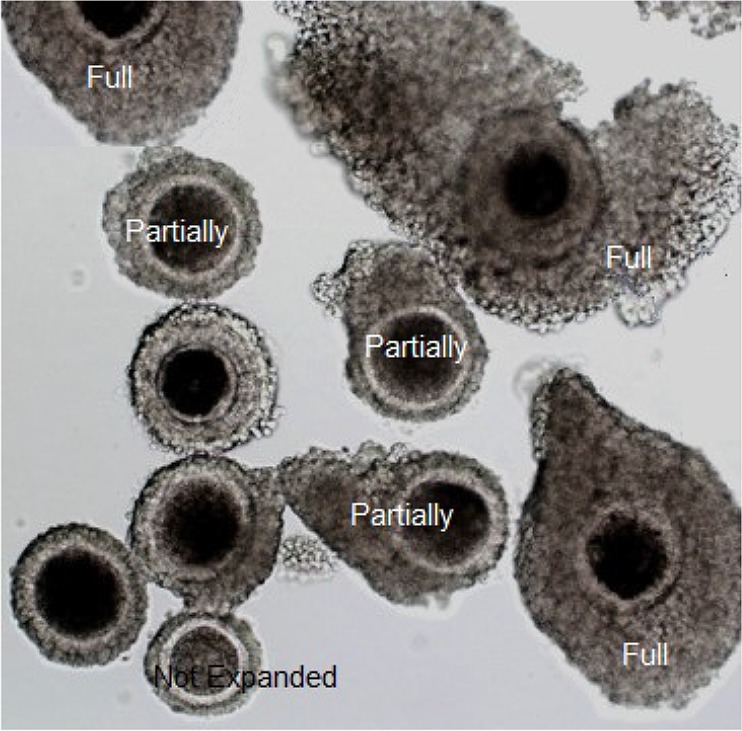
Table 1. Effect of ammonium chloride (AC) concentrations (29, 88, 132 and 176 μM) added to IVM media on cumulus cell expansion of sheep oocyte 24 hr after IVM
| Treatments | Total number of COCs | Fully expanded COCs | Partially expanded COCs | Not expanded COCs |
|---|---|---|---|---|
| Control | 70 | 50(71.42±1.15) | 10(14.28±0.57) | 10(14.28±0.57) |
| AC 29 μM | 70 | 35(50±1.73) a | 20(28.5±1.15) a | 15(21.43±1.15) a |
| AC 88 μM | 70 | 33(47.14±1.15) a | 17(24.28±1.15) a | 20(28.58±1.15) ab |
| AC132 μM | 70 | 33(47.14±1,5) a | 19(27.14±1.15) a | 18(25.72±1.15) a |
| AC 176 μM | 70 | 30(42.85±0.57) ab | 15(21.43±1.15) abc | 25(35.71±1.15) abcd |
Note: COCs were cultured for 24 hr and data are shown as n(mean±SEM) from three independent repeats.
Abbreviations: COCs= Cumulus Oocyte Complexes;
statistical difference with control (p<0.05);
statistical difference with the group 2.
statistical difference with the group 4.
statistical difference with the group 3
Oocyte nuclear stage in meiosis was determined after aceto-orcein staining (15). Briefly, the oocytes were denuded by gentle pipetting and placed on a clean glass slide and overlaid with a square cover slip that was held up by four droplets of a vaseline-paraffin mixture (40:1). Afterward, they were fixed for at least 24 hr in glacial acetic acid (GAA) in methanol fixative solution (1:3). Thereafter, the oocytes were stained for 2 min with 1% orcein in a 45% GAA mixture before washing with a mixture of distilled water, glycerol, and GAA (3:1:1). Finally, the nuclear maturation was recorded under a phase contrast microscope (Labomed TCM 400) (Figure 2, Table 2).
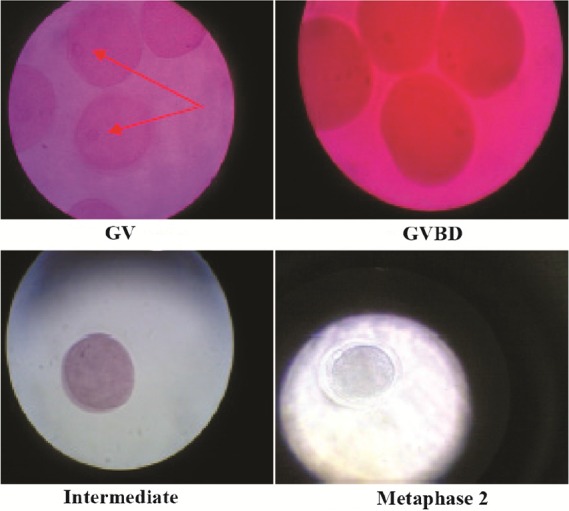
Table 2. Effect of ammonium chloride (AC) concentrations (29, 88, 132 and 176 μM) added to IVM media on nuclear stages of sheep oocytes 24 hr after IVM
| Treatments | Total oocyte | Gv | GVBD | MI, n | AI, n | TI, n | MII | Degenerated oocytes |
|---|---|---|---|---|---|---|---|---|
| Control | 70 | 4(5.72±0.57) | 0 | 0 | 0 | 0 | 63(90±0.57) | 3(4.28±1.15) |
| AC 29 μM | 70 | 4(5.72±0.57) | 1(1.42±0.57) | 0 | 0 | 0 | 60(85.71±0.57) a | 5(7.15±1.15) |
| AC 88 μM | 70 | 5(7.15±0.57) | 1(1.42±0.57) | 0 | 0 | 0 | 58(82.85±0.88) a | 6(8.58±0.57) a |
| AC 132 μM | 70 | 5(7.15±0.57) | 3(4.28±0.57) abd | 0 | 0 | 0 | 56(80±1.15) ab | 6(8.58±0.57) a |
| AC 176 μM | 70 | 5(7.15±0.57) | 2(2.85±0.57) a | 0 | 0 | 0 | 55(78.57±1.15) b | 8(11.43±0.57) ab |
Different superscript letters indicate significant differences among experimental groups (p<0.05).
statistical difference with control.
statistical difference with the group 2.
statistical difference with the group 3.
Data are shown as n(mean percentage±SEM)
In vitro fertilization (IVF) was performed according to the standard procedures previously described (16) with some modification. Following maturation, cumulus cells were partly removed by gentle pipetting before the oocytes were placed in 100 μl fertilization micro-drops of synthetic oviductal fluid (SOF) containing 4 IU/ml heparin, PHE (20 μM penicillamine, 10 μM hypotaurine, 1 μM epinephrine) and 2% (v/v) estrous sheep serum overlaid with mineral oil (Kelly et al., 2005). The frozen semen was thawed in a water bath at 37 °C, and then motile spermatozoa were obtained for fertilization by using a swim up. Briefly, motile sperm were selected by swim-up for 45 min in calcium-free medium followed by centrifugation at 300×g at 20 °C and resuspension of the pellet in fertilization medium (Tyrode’s albumin-lactate-pyruvate media supplemented with 0.6% [wt/vol] fatty acid–free BSA, 1 mg/ml heparin, 50 ng/ml epinephrine, and 50 ng/ml hypotaurine). Subsequently the pellet was resuspended and sperm concentration was determined by using a hemocytometer. Sperm were diluted in Hepes-buffered synthetic oviduct fluid (HSOF), which would produce 1×10⁶ spermatozoa/ml at final concentration. The COCs (15 per 100 μl droplet), and the spermatozoa were coincubated for 18 hr under the same conditions used for IVM. The day of fertilization was defined as day 0.
Eighteen hours after insemination, presumptive zygotes were transferred into 25 μl droplets of SOF supplemented with Eagle’s Basal Medium (BME) and Eagle’s Minimum Essential Medium (MEM) amino acids and bovine serum albumin (BSA 6 mg/ml) until the stage of 2–8 cells. After assessing cleavage using a stereo microscope (Olympus SZ60), embryo development proceeded until the blastocyst stage in amino acids and BSA supplemented SOF plus 10% fetal calf serum (SOF serum). Embryo culture was performed at 38.5 °C in a humidified atmosphere with 5% O 2 , 5% CO 2 and 90% N 2 . Cleavage rate was calculated as the number of cleaved embryos per number of inseminated oocytes. Day 6 (D6) and D8 embryo developmental rates were calculated as the number of D6 or D8 blastocysts per number of cleaved embryos, respectively. Embryos were placed in dry eppendorf tubes and stored at −80 °C until RNA extraction.
Total RNA was extracted from embryo. The transcript abundance of Bcl2 and GPDH (housekeeping gene) was analyzed using qPCR. Simultaneous RNA extraction and cDNA synthesis were performed according to previously published papers (14). Briefly, three pools of biological replicates, each containing five embryos at blastocyst stages were transferred to Eppendorf tube and used for production of cDNA. Next, 1.25 μl Taq Polymerase, 20.75 μl Master Mix (Takara), and 2 μl specific primer were added to each 2 μl cDNA for PCR mixture. Real time PCR reactions were carried out in a total volume of 13 μl according to the manuals for DNA Master SYBR Green I mix (Roche Applied Sciences). The information for primers used for real time PCR is listed in table 4. All the samples were analyzed in duplicate, and the average value of the duplicate was used for quantification. The data were normalized to GAPDH and 2 −Δ ΔCt methodology was used for relative quantification.
All experiments were repeated at least three times. In each experimental group, oocytes were randomly distributed. Differences in nuclear maturation, cumulus expansion, and embryo development (cleavage and blastocyst rates) between the experimental groups were analyzed by one-way ANOVA using a SPSS version 21. Differences among treatment means were analyzed using the Tukey test. The values were expressed as the mean±standard deviation.
Data on mRNA expression assayed by quantitative RT-PCR were compared according to embryo culture environment with an analysis of variance after log transformation. The values with p<0.05 were considered statistically significant.
All concentrations of AC significantly decreased the rate of fully expanded cumulus cells 24 hr after IVM compared with the control (p<0.05, Table 1). However, supplementing in vitro maturation culture with 176 μM AC significantly decreased the rate of fully expanded cumulus cells compared with the 29 μM and control group.
The results from oocyte maturation did not show differences on oocyte degeneration, GV, GV breakdown, MI (metaphase I), AI (anaphase I), and TI (telophase I) rates in 24 hr of IVM among experimental groups (Table 2). On the contrary, significantly lower rates of MII oocytes were found in the 132 and 176 μM AC groups compared with the 29 μM AC group (Table 2).
Cleavage rates of those zygotes were different among the AC concentrations (range 26 to 58%). The percentage of zygotes developing to blastocysts in 176 μM AC was lower than the other group (8.5±0.01 vs. 15±0.03, p<0.05). In contrast, the percentage of zygotes developing to blastocysts in 29 and 88 μM AC was higher than 132 and 176 μM AC groups (Table 3).
Table 3. Effects of the timing of ammonium chloride (AC) supplementation during the in vitro production of ovine embryos on the cleavage rates and the embryonic development to the blastocyst stage
| Experiments | Total oocyte | Cleavage (%) | Blastocysts (%) |
|---|---|---|---|
| Control | 70 | 61.25±0.02a | 15±0.03a |
| AC 29 μM | 70 | 58.25±0.07a | 14±0.01b |
| AC 88 μM | 70 | 50.50±0.08b | 14±0.02b |
| AC 132 μM | 70 | 53.75±0.02b | 9.25±0.01b |
| AC 176 μM | 70 | 26±0.03ab | 8.5±0.01ab |
Different superscripts within the columns indicate a significant difference (p<0.05). Data are shown as mean percentage±SEM
Supplementation of the oocyte maturation media with 176 μM AC decreased Bcl2 mRNA expression. However, it seems that there was no relationship between gene expression and concentration (Table 4).
Table 4. Details of primers used for real time PCR quantitative analysis
| Gene name | GenBank accession number | Primer sequences | Annealing temperature (°C) | Size (bp) |
|---|---|---|---|---|
| Bcl2 | XM004020687 | f5- CATCGTGGCCTTCTTTGAGTT-3 | 111 bp | 60 |
| 5-GGTTCAGGTACTCGGTCATC-3 | ||||
| G6PD | NM000402 | F:5′AAGATGATGACCAAGAAGC-3′ | 200 bp | 55 |
| R:5′-AGCAGTGGTGTGAAGATACG-3′ |
F= Forward; PCR= Polymerase Chain Reaction; R= Reverse
Even though our knowledge about the culture conditions required for IVM is growing, there is a set of topics which needs more investigations. For instance, physiological significance of AC in ovine oocyte maturation has not been examined. Therefore, in this study prospective study was carried out to investigate the role of AC in conferring ovine oocyte developmental competence. Initially, the effect of different concentrations (0, 29, 88, 132 and 176 μM) of AC on ovine IVM was investigated. Most of previous reports agree that high protein diets, which result in elevated levels of PUN, are related to decreased fertility in domestic animals (8, 14) and this effect was also observed during in vitro fertilization (17, 18). In the present study, it appeared that the threshold ammonium exposure for oocytes of ovine that results in toxicity lies in the range of more than 132 μM. Our results in the first experiment indicate that exposure of oocytes to low or moderate concentrations of ammonia during the IVF process decreases fertilization of oocyte and hatching blastocyst development rates. The results of the present experiment indicate the effect of ammonia on development of preimplantation.
The development of ovine embryos depends on the concentration of ammonia, the duration of exposure to ammonia, and the stage of development when exposure to ammonia occurs. Results of this study is supported by the findings of McEvoy et al. (1997) in ovine and findings of Hamman et al. (1999) in bovine in which the negative effect of ammonium on fertilization and embryo development was found (14, 19). Also, Gardner and Lane (1993) showed that moderate ammonia concentrations of 75 μM significantly reduced blastocyst cell numbers (11). Recently, Tareq et al. (2007) reported that oocyte maturation in pigs was adversely affected when ≥300 μM exogenous ammonium was added to maturation medium (20). Because Tareq et al. (2007) did not find inhibitory effects of 150 μM ammonium, and there was not an inhibitory effect of 200 μM (0.2 mM) ammonium in the present study, it would appear that the threshold ammonium exposure for oocytes of pigs that results in toxicity lies between 200 μM and 300 μM (20). They suggested that ammonia may adversely affect the developing embryo by decreasing the concentration of a-ketoglutarate by converting it to glutamate, thereby reducing the flux through the tricarboxylic acid cycle (TCA) cycle and depleting ATP in embryonic cells and reducing the availability of ATP for embryonic cells during a stage of development. Furthermore, the accumulation of hypertonic fluid within the blastocoel is in part due the action of the Na+/K+ ATPase pump (20). Moreover, embryos of sheep that are exposed to elevated utero-oviductal ammonium concentrations up to day 3 post insemination were more advanced in development and had increased metabolic activities (19). These authors hypothesized that a microenvironment containing elevated concentrations of ammonium may contribute to reprogramming of the embryo during the earliest stages of development. Papadopoulos et al. (2001) found that the effect of exposing ovine oocytes to increased concentrations of urea in vivo prior to in vitro maturation, fertilization and culture was to reduce cleavage but not the developmental potential of cleaved eggs (21). Schneider et al. (1996) suggested two possible mechanisms for the inhibitory effects of NH4+ . Perturbation of intracellular pH requires the involvement of Na/K ATPases to transport NH4+ across membranes. Alternatively, may interact directly with enzymes, participating in a series of futile cycles which detoxify NH4+ and result in consumption of ATP. Thus, by whichever mechanism, inclusion of NH4+ in culture media will divert ATP from growth to maintenance. Thus, the major effect of exposure of granulose cells to NH4Cl was a reduction in growth rate probably because of increasing demands for ATP for maintenance of cell pH with associated increases in mitochondrial dehydrogenase activity (MTT)1 and steroid biosynthesis which also suggests increased activity of microsomal enzymes such as cytochrome P450 aromatase (22).
Despite many reports on the deleterious effects of ammonium on embryo development, few reports examined the effects of ammonium during oocyte maturation. Hammon et al. (2000) investigated the effect of ammonium during IVM of oocytes in cattle on subsequent embryo development, and found that exposure to 356 μM ammonium did not adversely influence embryonic development (23). In another experiment, Hammon et al. (1999) increased the concentration of ammonium in maturation medium to 1400 μM, which is greater than the ammonium concentrations in physiological conditions, and there was no significant influence on bovine oocyte nuclear maturation or subsequent embryo development (14). Yuan et al. showed that the presence of ammonium during in vitro maturation negatively influences subsequent embryonic development, although parthenogenetically activated embryos appear to be more sensitive to the negative effects of ammonium during oocyte maturation than do IVF embryos (24).
Increased amounts of ammonium in oocytes may then have a beneficial effect on nuclear reprogramming after IVF, resulting in relatively greater (although not significantly different) blastocyst development from oocytes matured in Purdue Porcine Medium (PPM) with 2 mM ammonium. These results suggest that in cattle, oocytes can resist a greater concentration of ammonium before toxicity occurs.
Different sensitivities to ammonium of oocytes from different species may also be attributed to differing metabolic preferences. Mechanisms of the inhibitory effects of ammonium are still unclear. Gardner et al. (1993) proposed that ammonium may promote the conversion of-ketoglutarate to glutamate, resulting in a reduction in flux through the tricarboxylic acid cycle and reduced ATP production (11). Schneider et al. (1996) suggested two possible mechanisms; transportation of ammonium across membranes requires Na+/K+-ATPase, or, interaction of ammonium with enzymes, participating in a series of futile cycles which detoxify ammonium result in consumption of ATP (22). Furthermore, pyruvate may be used as an ammonium sink by transamination to alanine in early embryos (25). Glutamate can also dispose of ammonium by transfer into glutamine in blastocysts, but only in the absence of pyruvate available for transamination to alanine (25). These findings suggest that ammonium may be closely associated with the energy metabolism of oocytes.
Apoptosis is a process of programmed cell death including elimination of cells during the developmental process and after cell damage with little or no effect on surrounding cells. The Bcl-2 family proteins are involved in the regulation of apoptosis and proposed to integrate signals from survival–inducing and death-promoting pathway (26, 27). It has been demonstrated that AC induces apoptosis like events in bovine oocytes. To elucidate the molecular mechanism of AC, the mRNA expression of Bcl-2 gene in blastocyste stage embryo was analyzed. An increase in expression of the Bcl2 mRNA was observed when comparison was made between the 176 and 29 μM. However, no differences in Bcl2 expression between control and two other groups of treatment were found.
In conclusion, our results suggested that significant increase in IVM rate could be obtained with supplementation maturation medium with AC in a dose dependent manner. The increase in AC concentration led to lower blastocyst rate under normal in vitro condition. However, regulation of proapoptotic (Bcl-2) gene did not change when supplementation was carried out under different concentrations of AC.
This work was supported by a grant from the University of Tabriz, Iran. The authors would like to thank Dr. Solimani Rad for the help to do this work in his laboratory.
