
Fertility problems affect 60–80 million couples worldwide according to WHO estimations and approximately half of these problems are due to a male factor (1). Aneuploidy as a numerical chromosome abnormality is considered one of the main causes of pregnancy loss (2). Maternal parameters such as age and meiotic defects are associated with production of chromosomally abnormal embryo and reduced quality of embryo (3); however, scarce information is available on the role of paternal factors. Total aneuploidy of 4.5% was calculated in normozoospermic males based on common studies that employed fluorescence in situ hybridization (FISH) (4). Men with abnormal seminal parameters but normal karyotype carry more chromosomal aberrations such as malsegregation; interestingly, their sperm aneuploidy rate is higher than normal or infertile men with normal spermatozoa (5). According to various studies conducted in the field of sperm aneuploidy in individuals with different phenotypes of infertility (Oligozoospermia, asthenozoospermia and teratozoospermia), there is a significantly high incidence of aneuploidy in spermatozoa from severely oligoasthenoteratozoospermic (OAT) patients (6, 7) compared to moderate OAT subjects (11). OAT patients have lower rate of gestation and implantation after intra cytoplasmic sperm injection (ICSI) treatment (8–10).
FISH as a commonly used method to detect aneuploidy has facilitated examination of sperm in severe male factor infertility. Different rates of total aneuploidy have been reported due to different and limited number of chromosomes studied as one of the major problems of using FISH for comprehensive study of aneuploidy. Few studies have employed aCGH for sperm aneuploidy assessment in a single sperm case (11, 12). The development of a comprehensive tool and the accurate assessment of all chromosomes would allow us to improve our understanding on the pathophysiology of spermatogenesis. It estimate the paternally derived aneuploidy risk and hence better manage the high risk in patients for transmitting chromosomal abnormalities during in vivo or in vitro conception.
According to FISH findings, due to limited number of chromosomes in OAT and lack of simultaneous evaluation of all chromosomes in OAT patients, this proof of concept was designed to better evaluate the contribution of aneuploidy in OAT. Comprehensive aneuploidy screening was applied in spermatozoa collected from these subjects at single sperm resolution by aCGH as a powerful technique for aneuploidy detection and the results were compared with those obtained by FISH findings in total sperm population of the same subjects.
The protocols used in this study were approved by Institutional Review Board and informed consent was obtained from all the patients after approval of the study by the Institutional Ethics Committee.
Patients: Fresh semen samples were collected from five infertile men with severe OAT. All the subjects had sperm concentrations <5 million/ml, total motility <40% and severe teratozoospermia with 0–1% normal forms according to WHO guidelines (2010); the patients were referred for treatment of infertility and underwent ICSI. They had normal blood karyotypes and a history of implantation failure. Patients with Y chromosome microdeletions, chemotherapy, exposure to toxicity, high temperature, varicocele, genitourinary infections, malignancy and sex hormones alterations were excluded from the study. Female partners were reproductively healthy and <36 years old. The history and characteristics of couples and semen parameters are summarized in table 1.
Table 1. Characteristics and semen parameters of OAT patients
| Patients | Age | Infertility duration (year) | Implantation failure (cycles) | Volume (ml) | Sperm concentration ×106/ml | Total motility (%) | Normal morphology (%) |
|---|---|---|---|---|---|---|---|
| P1 | 38 | 10.5 | 1 | 3.5 | 2 | 10 | 1 |
| P2 | 36 | 2 | 1 | 2 | 4 | 30 | 1 |
| P3 | 33 | 6 | 4 | 2 | 1.5–2 | 10–15 | 0–1 |
| P4 | 36 | 8 | 1 | 1.5 | 3 | 10 | 1 |
| P5 | 35 | 7 | 2 | 3 | 0.01 | 2–3 | 0 |
Sperm preparation and isolation for aCGH: A part of all semen specimens was used for ICSI and the remainder was employed for aCGH analysis and FISH. A small aliquot of semen was rinsed two times in Ham’s F10 medium and centrifuged at 2700 rpm for 5 min. A pellet of almost 2 μl was placed into a polyvinylpyrrolidone (PVP) drop for immobilization and convenient handling of sperm; then, 2 spermatozoa were aspirated and transferred to 0.2 ml PCR tube in a drop containing 2 μl of sterile phosphate-buffered saline (PBS) without calcium and magnesium (Gibco, UK). 4 samples were prepared for each patient.
aCGH analysis: Whole Genome Amplification was conducted according to 24 sure V3 protocol. Decondensation was performed as previously described (13) using proteinase K and dithiothreitol (DTT) between two steps of extraction and pre-amplification. Samples were loaded on 1% agarose gel and those with successful amplification were analyzed by 24 sure illumina platform aCGH protocol according to manufacturer’s instructions. The images of hybridization were scanned by a laser scanner (InnoScan 710, Innopsys, France), then analyzed by BlueFuse Multi Software version 4.1.
Preparation and decondensation of sperm nuclei for FISH: Semen samples were prepared by washing according to a previously described protocol (16). Double or triple color FISH was used with 10–11 relevant probes (Vysis, USA), mainly based on aneuploidies found by aCGH, to compare the results of single sperm aCGH with total sperm population. For each subject, probes were added to the parts of the slides with suitable density as indicated in supplementary table 1. FISH was performed using the protocol introduced by the manufacturer (Vysis, USA).
FISH scoring criteria: Only spermatozoa with clear signals were analyzed. Two completely separate spots in one spermatozoon were considered disomy and if there was no signal, nullisomy was accounted. However, if nullisomy was observed in all chromosomes examined in a slide, it was not scored due to the probable lack of hybridization. Overlapped cells with doubtful signals were also ignored.
The age of our patients ranged from 33 to 38 years with 2–10.5 years of infertility and 1–4 cycles of implantation failure, as mentioned in table 1. Totally, 15 out of 20 samples had successful amplification and good quality for aCGH, which were included in aCGH data analysis. A wide range of abnormalities was found in OAT sperm by aCGH. Aneuploidy was detected in 66% of samples ranging from 1 to 6 chromosomes per patient. Multiple aneuploidy was seen in 26.6% of samples. In total, sex chromosome disomy and trisomy were detected in 26.6% of samples. Also, 33.3% of samples were found to be normal. Next, those abnormal chromosomes for FISH with more possibility to involvement of entire chromosome were nominated, mainly according to aCGH findings. The results of aCGH data analysis for all patients and some genomic profile examples are presented in table 2 and figure 1, respectively. In FISH analyses, a total of 4300 sperm nuclei and between 400–1286 sperm per subject with reliable signals were analyzed depending on the volume of semen, sperm depositions and the number of prepared slides. Totally, 19 chromosomes, (10–11 chromosome per patient), were analyzed in this study. Total aneuploidy was 38.25–81.6% with an average of 55.46%. The frequencies of disomy and nullisomy for autosomes and sex chromosome aneuploidy are displayed in supplementary table 2. Despite high fertilization rate and transfer of 2–3 good quality embryos, none of our studied patients had pregnancy after ICSI (Supplementary table 3).
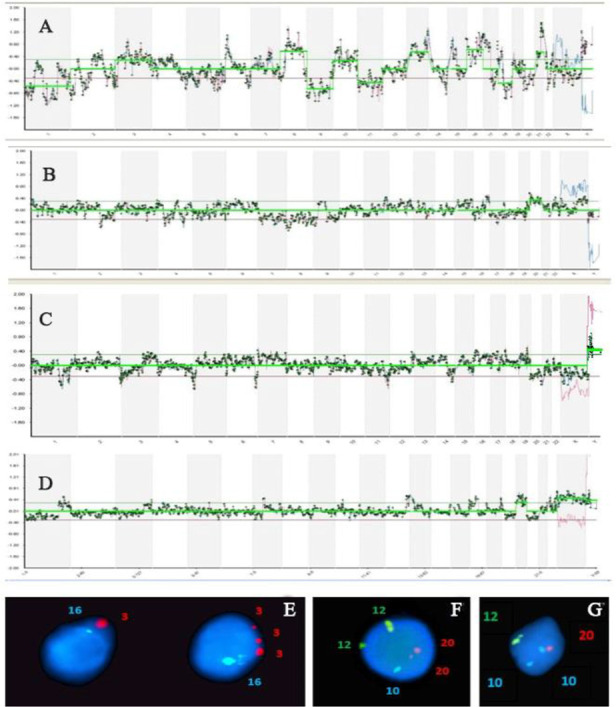
Table 2. Array CGH analysis results of OAT patients
| Subjects | Samples (total=15) | Chromosomes | |
|---|---|---|---|
| Gain | Loss | ||
| P1 | |||
| 1 | 4, 5, 8, 19 | 3, 6, 14, 21 | |
| 2 | 14 | 16, 21, 22 | |
| 3 | - | - | |
| P2 | |||
| 1 | 6, 8, 9, 10, 16, 18 | 1, 11, 13, 14, 17, 20, 21 | |
| 2 | 3, 8, 10, 13, 16, 21 | 1, 9, 11, 18 | |
| P3 | |||
| 1 | 6, 7, 8, 11, 12 | 2, 10, 17, 21 | |
| 2 | - | - | |
| 3 | 20 | - | |
| P4 | |||
| 1 | 19, X | - | |
| 2 | 19, X | - | |
| 3 | 19, X, Y | - | |
| P5 | |||
| 1 | - | - | |
| 2 | - | - | |
| 3 | - | - | |
| 4 | Y | - | |
Sperm aneuploidy occurs for several reasons such as biological, clinical and environmental factors. In this study, an attempt was made to include cases with relatively similar clinical conditions; however, many factors could lead to different aneuploidies in different cases or even different sperm in the same case probably due to effect of multiple components in chromosome-segregation machinery (14). Such differences are also visible in polar bodies and preimplantation embryos (15, 16).
Indeed, high-resolution aCGH technique contributed to a better perception of whole genome imbalances with high accuracy. In this study, 2 sperm were simultaneously studied to reduce expenses of aCGH without affecting aneuploidy detection accuracy. Despite a relatively small number of sperm in 5 patients (30 sperm in overall), the explored abnormality was high. Since number of obtained embryos from couples in average is not usually more than 6, as shown in supplementary table 3, studying 6 sperm from each patient could give an average estimation of aneuploidy status.
Using aCGH, aberrations in chromosomes 19 and 20 were observed that are not typically studied by FISH studies and abnormalities in these two chromosomes were found in 4 and 2 samples, respectively of two individuals. Extensive information about significant sperm aneuploidy rate in OAT patients, particularly in those with severe abnormal concentration, has been presented by studies that employed FISH (8, 9, 10, 17) but limited capability of this approach for examining large numbers of chromosomes led to insufficient data about complexity of abnormalities in these subjects’ spermatozoa.
Differences in types of frequent aneuploid chromosomes at single sperm resolution and total sperm population indicate an error prone segregation for all of chromosomes in OAT rather than germline aneuploidies. Since aneuploidy could occur for all chromosomes even in semen samples of normal individuals with a more or less equal chance, it seems logical to find different chromosomal aneuploidies in study of 6 sperm compared with total population of sperm in the same patient unless in cases with Klinefelter syndrome that carry constitutional sex chromosomal abnormalities (18).
In this study, 38.3–81.6% total chromosomal abnormalities were found in spermatozoa from OAT patients which was nearly similar to a 14-chromosome study in OAT (9). Although normal fertile samples were not studied, aneuploidy prevalence in normal fertile men with study of all or large numbers of chromosomes has been reported in a range of 4.5–7.8% (4, 9, 11, 12) that is obviously different from aneuploidy range in OAT.
Sex chromosomes studies stated that XY and XX disomy was common in OAT patients (19, 20). In our FISH study, high frequency of XY disomy was observed in 4 of 5 subjects and there were no remarkable differences between the frequency of XX and YY disomy. Also, gain of sex chromosomes was found in 26.6% of samples as assessed by aCGH (Table 2) that indicated high frequency of sex chromosomes’ aberrations in OAT. Despite numerous studies on comprehensive aneuploidy screening in oocytes, few studies were about comprehensive aneuploidy screening in a single sperm by aCGH (11, 12). Recently, next generation sequencing (NGS) method has been utilized for single sperm aneuploidy screening (21, 22). Despite a small number of patients, these studies found a significant percentage of abnormalities compared with normal controls. Although our sample size was also small, regarding the high incidence of aneuploidy in the current comprehensive study and previous evidence from FISH studies, our results might be generalizable to larger populations of OAT; however, further investigation of OAT patients with different inclusion criteria from current study will draw more accurate conclusion.
Regarding chromosomal groups, F and G groups, as the smallest chromosomes, were found to be abnormal in aCGH of 4 and 5 patients, respectively (Table 2); this was generally in accordance with FISH results (Supplementary table 2). There are not many publications available for F group, mainly because of FISH limitations but more susceptibility to aneuploidy for G group is clear in sperm studies (4, 8). A negative correlation between chromosome length and meiosis I segregation error has been highlighted (16).
To the best of our knowledge, this is the first comprehensive study research investigation of OAT patients with normal karyotypes; moreover, aneuploidy was detected in sperm population by FISH. Some studies elucidated that negative effects of impaired male fertility might lead to chromosomal abnormalities in embryos (23, 24). It should be reminded that follow up of our studied patients revealed no pregnancy after ICSI (Supplementary table 3). A recent 18-year retrospective study reported the highest aneuploidy rate in OAT patients among patients with abnormal semen parameters. This study compared live birth rate in patients with abnormal sperm FISH result with/without PGT-A and revealed an obvious increase of live birth rate following PGT-A (25).
In conclusion, frequency of aneuploidies found by both aCGH and FISH techniques was considerable in OAT sperm. Aneuploidies of the single sperm seem to be somewhat independent of frequent aneuploidies in total sperm population. Considering remarkable aneuploidy revealed in the current study and previous evidence from FISH studies, comprehensive PGT-A in OATs specifically in those with a history of implantation failure might be beneficial for transfer of chromosomally normal embryo.
The authors are grateful to the collaborators of Genetics Laboratory and IVF section at Royan Institute, Najmeh Sadat Masoudi and Nosratollah Hazeri.
