
Infertility is one of the most common challenges faced by reproductive age women today, affecting 10–15% of couples (1). It is defined as a failure of a couple to conceive after having regular, unprotected sexual intercourse for one year (2). In a recent systematic review by Dirkavand-Moghaddam et al., the overall rate of infertility in Iran was reported to be 13.2% (3). Although using ART such as in vitro fertilization (IVF) could be of great benefit, only 37.1% of fresh, nondonor ART cycles in women under 35 referred to the United States clinics in 2014 have resulted in live births (4), which shows there might be some unknown factors to be discovered.
Improper nutrition is known as a growing problem all over the world and according to estimates, by 2030, up to 57.8% of the world’s adult population (3.3 billion people) could be either overweight or obese (5) which emphasizes the necessity for focusing on this area of research. Furthermore, recent studies demonstrated that maternal nutritional status has profound effects on reproductive health (6) and the metabolic changes could be reflected in the follicular fluid of the dominant follicles (7). In fact, oocyte quality, which is one the determinants of successful embryonic development, is dependent on the ovarian and follicular environment changes, especially those stressors induced by changes in nutrients (8, 9).
FAs including SFA, MUFA, and PUFA perform a crucial role in oocyte maturation and embryo development (10). It was shown that linoleic acid (A type of PUFA) could enhance oocyte competence and embryo development beyond 4-cell stage (11); however, some studies demonstrated that high levels of LIFA could negatively influence oocyte and embryo quality (12–14). Regarding the effect of oleic acid (A type of MUFA) on intracytoplasmic sperm injection (ICSI) outcomes, majority of studies showed that this FA intake could contribute to normal oocyte and embryo development, notwithstanding some conflicting reports (10, 15–17). Moreover, there are a number of other studies with controversial results about the effects of other types of FA intakes on reproductive health which require further investigation (13, 18). In addition, despite conducting many studies on the effects of FA intakes on oocyte competence and embryo development in animals, there is a distinct lack of research on human reproductive response to FA intakes. Therefore, this study was designed to evaluate the relationship between dietary FA intakes and the outcome of ART in infertile women.
This study was a descriptive longitudinal study that was performed at Isfahan Fertility and Infertility Center, Isfahan, Iran. A simple sampling design was used and 217 infertile women seeking treatments including IVF and ICSI were enrolled into the study from August 2015 to January 2016. The inclusion criteria were having primary female infertility (Unexplained infertility or ovarian failure), no significant change in diet during the last 3 months or a special diet, not having diseases affecting metabolism like diabetes, hypothyroidism, etc., not using drugs affecting the metabolism of macro and micro nutrients including blood sugar-lowering and lipid-lowering drugs, the absence of anatomic abnormalities, endometriosis and surgery in the uterus and tubes, not using a surrogate, not using alcohol, and nonsmoking. Based on the findings of a previous study, the sample size for each tertile was calculated to be 65 for d=0.6P and p=40%, and considering 10% participant attrition, the required total sample size was approximately 215 (19).
A validated food frequency questionnaire (FFQ) including 168 food items was used to measure dietary intakes (20, 21). When participants came to choose their treatment plans, they were asked to report how often and how much they had consumed each of the foods during the previous year. Then, amount of food items was converted into grams and calculated for one day and entered into Nutritionist IV software for each person. This software calculated all food ingredients such as FAs. Next, the amount of different types of FAs for each person was calculated on the basis of food source by Excel (Microsoft office 2016) which was entered into SPSS. Also, the daily physical activity as a confounding variable was assessed by using the short form of International Physical Activity Questionnaire (IPAQ). The amount of activity was computed by weighting each type of activity by its energy requirements defined in metabolic equivalent of task (MET) min/day. Then, it was converted into (MET) h/week and reported. These questionnaires have been validated in previous studies (20, 22–24). BMI was calculated as weight in kg divided by the square of height in meters (kg/m2). The waist circumference was measured with a non-stretch tape to the nearest 0.5 cm between the lowest rib margin and the iliac crest wearing minimal clothing (25).
In the present study, patients followed the suppression protocol. On the second day of last menstrual period, recombinant follicle stimulating hormone (Gonal-F) (Serono, Switzerland) in combination with human menopausal gonadotropin (Menogon) (Ferring Pharmaceuticals, Germany) was commenced, when transvaginal sonography showed absence of ovarian cysts. When the size of dominant follicles reached 17–18 mm, ovulation was induced with 10.000 IU hCG. Transvaginal oocyte retrieval was done 36 hr later.
In the laboratory, MII oocytes were recorded. Fertilization rate was defined as the ratio of zygotes with two pronuclei observed 18 hr after insemination divided by the number of oocytes inseminated. Embryos were scored by using a four-point score on day 3 (good quality=score 4, bad quality=score 2). All cleaved embryos were assigned 1 point, and an additional point was added for each of the following features: absence of fragmentation (or fragmentation involving 25% of embryonic surface), absence of irregularities in blastomere size or shape, 8-cell stage on Day 3. Biochemical pregnancy was defined as the presence of βhCG in serum 12 days after embryo transfer. Clinical pregnancy was confirmed by detection of one or more gestational sacs during transvaginal scan 3 weeks after embryo transfer.
Collected data were analyzed using SPSS software version 20.0 (IBM Corp, New York). For demographic characteristics, ANOVA and Chi-square tests were used to assess differences in continuous and categorical variables, respectively. ANOVA and ANCOVA analyses were used to determine the association between tertiles of different types of FA intakes and fertility markers including the average number of total oocytes, the average number of MII oocytes and the ratio of good and poor quality embryo. The model was adjusted for age, marriage age, BMI, waist circumference, supplement consumption, Metformin consumption, and physical activity. Logistic regression analysis was used (With covariates referred above) to calculate adjusted odds ratios (AOR) and 95% CI for assessing the association between different types of FA intakes and biochemical and clinical pregnancy. A p-value of less than 0.05 was considered statistically significant.
This study was conducted according to the guidelines laid down in the Declaration of Helsinki and all procedures involving research study participants were approved by the Ethics Committee of Isfahan University of Medical Sciences (Ethical code: IR.MUI.Rec.1394.3.475). Written informed consent was obtained from all subjects.
Of the 217 infertile women participated in this study, 77 cases were excluded (Owning to spontaneous pregnancy, cancellation of treatment cycle due to poor or excessive response to stimulation, ovulation before oocyte retrieval, diagnosis of male factor infertility at later stages, refusal to cooperate during the study period and not completing the follow-up). Figure 1 and table 1 show the details of sample recruitment and baseline characteristics, respectively. A total of 140 women were finally included in the final analysis. The majority of women with lower SFA intake who were categorized into the first and third tertiles of linoleic acid intake were housewives (p=0.005, p= 0.032, respectively). Moreover, women who had higher education were more likely to have a diet rich in linolenic acid (p=0.043).
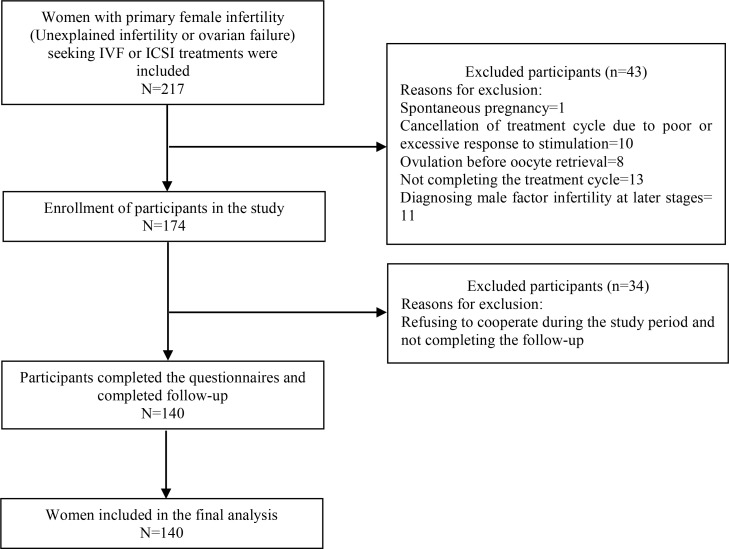
Table 1. Demographic features of infertile women by tertiles
| Variables | TFA | SFA | MUFA | |||||||||
|---|---|---|---|---|---|---|---|---|---|---|---|---|
|
|
|
| ||||||||||
| T1 | T2 | T3 | p | T1 | T2 | T3 | p | T1 | T2 | T3 | p | |
| Age, year (M±SD) | 32.11±5.67 | 32.87±4.95 | 32.23±5.01 | 0.75 | 31.26±5.82 | 32.98±5.23 | 32.95±4.35 | 0.189 | 33.06±5.57 | 32.42±4.95 | 31.74±5.06 | 0.475 |
| Age at marriage, year (M±SD) | 23.59±5.84 | 24±5.40 | 23.81±6.34 | 0.944 | 23.15±5.73 | 23.87±5.65 | 24.36±6.16 | 0.607 | 24.82±6.21 | 23.63±5.70 | 22.96±5.55 | 0.298 |
| BMI, weight (kg)/ height (m)2 (M±SD) | 28.73±5.32 | 27.74±4.69 | 27.70±4.68 | 0.528 | 28.99±5.27 | 26.91±4.48 | 28.23±4.74 | 0.119 | 28.21±4.87 | 28.04±5.34 | 27.89±4.51 | 0.952 |
| Waist circumference, cm (M±SD) | 83.65±10.48 | 83.47±11.09 | 83.06±9.73 | 0.962 | 84.46±10.74 | 81.34±10.75 | 84.41±9.51 | 0.251 | 83.33±9.33 | 84.08±12.78 | 82.77±8.71 | 0.828 |
| Hip circumference, cm (M±SD) | 105.04±16.76 | 104.36±8.70 | 105.59±9 | 0.884 | 104.83±16.56 | 104.70±7.37 | 105.47±10.46 | 0.947 | 105.76±9.58 | 103.19±16.66 | 106.06±7.73 | 0.445 |
| Infertility duration, year (M±SD) | 6.78±4.89 | 6.89±4.17 | 6.95±4.81 | 0.985 | 6.59±4.58 | 7.32±5.23 | 6.69±3.95 | 0.707 | 6.80±4.48 | 7.17±4.70 | 6.64±4.68 | 0.855 |
| Physical activity, met-h/week, (M±SD) | 6.11±8 | 15.06±21.43 | 14.90±33.73 | 0.117 | 5.61±7.65 | 15.16±21.43 | 15.29±33.68 | 0.080 | 6.57±8.62 | 11.98±14.57 | 17.53±36.97 | 0.084 |
| Education (%) | ||||||||||||
| Below diploma | 14(30.4%) | 13(27.7%) | 9(19.1%) | 14(30.4%) | 12(25.5%) | 10(21.3%) | 11(23.9%) | 15(31.9%) | 10(21.3%) | 0.080 | ||
| Diploma | 13(28.3%) | 20(42.6%) | 12(25.5%) | 0.119 | 13(28.3%) | 20(42.6%) | 12(25.5%) | 0.220 | 13(28.3%) | 20(42.6%) | 12(25.5%) | |
| Academic | 19(41.3%) | 14(29.8%) | 26(55.3%) | 19(41.3%) | 15(31.9%) | 25(53.2%) | 22(47.8%) | 12(25.5%) | 25(53.2%) | |||
| The cause of infertility (%) | ||||||||||||
| Ovarian | 38(82.6%) | 32(68.1%) | 35(74.5%) | 0.269 | 37(80.4%) | 35(74.5%) | 33(70.2%) | 0.520 | 34(73.9%) | 33(70.2%) | 38(80.9%) | 0.482 |
| Idiopathic | 8(17.4%) | 15(31.9%) | 12(25.5%) | 9(19.6%) | 12(25.5%) | 14(29.8%) | 12(26.1%) | 14(29.8%) | 9(19.1%) | |||
| Employment status (%) | ||||||||||||
| Housewife | 40(87%) | 37(78.7%) | 33(70.2%) | 0.144 | 42(91.3%) | 38(80.9%) | 30(63.8%) | 0.005 | 37(80.4%) | 39(83%) | 34(72.3%) | 0.423 |
| Employed | 6(13%) | 10(21.3%) | 14(29.8%) | 4(8.7%) | 9(19.1%) | 17(36.2%) | 9(19.6%) | 8(17%) | 13(27.7%) | |||
| Variables | PUFA | Oleic acids | Linoleic acids | |||||||||
|---|---|---|---|---|---|---|---|---|---|---|---|---|
|
| ||||||||||||
| T1 | T2 | T3 | P | T1 | T2 | T3 | p | T1 | T2 | T3 | p | |
| Age, year (M±SD) | 32.80±5.06 | 31.94±5.27 | 32.49±5.31 | 0.719 | 32.80±5.80 | 32.59±4.49 | 31.83±5.28 | 0.637 | 32.93±5.31 | 32.06±5.03 | 32.23±5.29 | 0.696 |
| Age at marriage, year (M±SD) | 24.02±5.61 | 23.74±5.51 | 23.63±6.44 | 0.949 | 24.73±6.36 | 23.64±5.86 | 23.04±5.24 | 0.367 | 23.78±6.12 | 24.28±5.18 | 23.34±6.24 | 0.742 |
| BMI, weight (kg)/height (m)2 (M±SD) | 27.99±4.33 | 27.57±5.32 | 28.56±4.99 | 0.618 | 28.42±5.41 | 28.23±4.70 | 27.49±4.57 | 0.626 | 27.88±4.99 | 28.44±5.41 | 27.81±4.27 | 0.796 |
| Waist circumference, cm (M±SD) | 83.26±9.13 | 83.32±12.15 | 83.59±9.81 | 0.987 | 83.81±10.80 | 84.02±10.81 | 82.36±9.65 | 0.703 | 83.33±10.24 | 84.94±11.66 | 81.91±9.07 | 0.369 |
| Hip circumference, cm (M±SD) | 102.83±16.34 | 104.57±9.33 | 107.55±8.51 | 0.156 | 107.13±10.53 | 102.62±15.33 | 105.30±8.86 | 0.188 | 102.48±16.60 | 106.02±9.63 | 106.45±7.78 | 0.216 |
| Infertility duration, year (M±SD) | 7.16±4.86 | 6.24±4.05 | 7.22±4.88 | 0.517 | 6.88±4.42 | 6.51±4.16 | 7.23±5.21 | 0.750 | 7.54±4.74 | 5.96±4.27 | 7.14±4.72 | 0.225 |
| Physical activity, met-h/week, (M±SD) | 7.57±9.90 | 11.60±15.76 | 16.94±36.39 | 0.163 | 8.39±9.61 | 9.89±13.56 | 17.84±37.23 | 0.119 | 8.42±10.70 | 10.64±15.53 | 17.06±36.32 | 0.192 |
| Below diploma | 15(32.6%) | 11(23.4%) | 10(21.3%) | 14(30.4%) | 14(29.8%) | 8(17%) | 0.550 | 15(32.6%) | 10(21.3%) | 11(23.4%) | 0.500 | |
| Diploma | 16(34.8%) | 11(23.4%) | 18(38.3%) | 0.243 | 13(28.3%) | 14(29.8%) | 18(38.3%) | 15(32.6%) | 13(27.7%) | 17(36.2%) | ||
| Academic | 15(32.6%) | 25(53.2%) | 19(40.4%) | 19(41.3%) | 19(40.4%) | 21(44.7%) | 16(34.8%) | 24(51.1%) | 19(40.4%) | |||
| The cause of infertility (%) | ||||||||||||
| Ovarian | 35(76.1%) | 32(68.1%) | 38(80.9%) | 0.352 | 34(73.9%) | 33(70.2%) | 38(80.9%) | 0.482 | 35(76.1%) | 34(72.3%) | 36(76.6%) | 0.874 |
| Idiopathic | 11(23.9%) | 15(31.9%) | 9(19.1%) | 12(26.1%) | 14(29.8%) | 9(19.1%) | 11(23.9%) | 13(27.7%) | 11(23.4%) | |||
| Employment status (%) | ||||||||||||
| Housewife | 40(87%) | 32(68.1%) | 38(80.9%) | 0.077 | 39(84.8%) | 36(76.6%) | 35(74.5%) | 0.442 | 40(87%) | 31(66%) | 39(83%) | 0.032 |
| Employed | 6(13%) | 15(31.9%) | 9(19.1%) | 7(15.2%) | 11(23.4%) | 12(25.5%) | 6(13%) | 16(34%) | 8(17%) | |||
| Variables | Linolenic acids | EPA | DHA | |||||||||
|---|---|---|---|---|---|---|---|---|---|---|---|---|
|
| ||||||||||||
| T1 | T2 | T3 | p | T1 | T2 | T3 | p | T1 | T2 | T3 | p | |
| Age, year (M±SD) | 33.18±5.48 | 31.85±4.44 | 32.62±5.68 | 0.478 | - | 32.43±5.21 | 31.75±4.99 | 0.798 | - | 32.36±5.21 | 33.50±6.09 | 0.600 |
| Age at marriage, year (M±SD) | 24.54±6.28 | 23.22±4.55 | 24.11±6.52 | 0.546 | - | 23.75±5.82 | 25.50±7.14 | 0.556 | - | 23.63±5.77 | 27.50±6.71 | 0.113 |
| BMI, weight (kg)/ height (m)2(M±SD) | 29.19±4.98 | 28.14±4.82 | 26.65±4.70 | 0.051 | - | 28.07±4.93 | 27.09±2.41 | 0.735 | - | 28.06±4.96 | 27.61±2.36 | 0.841 |
| Waist circumference, cm (M±SD) | 85.20±9.34 | 83.29±9.77 | 81.38±11.82 | 0.224 | - | 83.38±10.47 | 84±7.39 | 0.907 | - | 83.30±10.53 | 85.50±6.25 | 0.614 |
| Hip circumference, cm (M±SD) | 104.09±16.64 | 106±9.92 | 104.20±8.26 | 0.701 | - | 104.94±12.11 | 107±3.82 | 0.736 | - | 104.92±12.17 | 106.83±5.60 | 0.703 |
| Infertility duration, year (M±SD) | 7.26±4.60 | 6.72±4.42 | 6.60±4.62 | 0.775 | - | 6.94±4.64 | 4.62±2.29 | 0.323 | - | 6.98±4.66 | 4.41±1.91 | 0.182 |
| Physical activity, met-h/week, (M±SD) | 6.79±9.77 | 17.14±35.37 | 12.13±18.62 | 0.126 | - | 12.20±24.10 | 7.50±9 | 0.699 | - | 11.86±24.11 | 16.65±16.25 | 0.632 |
| Education (%) | ||||||||||||
| Below diploma | 17(38.6%) | 8(17.4%) | 8(17.8%) | - | 36(26.5%) | 0(0%) | - | 36(26.9%) | 0(0%) | 0.100 | ||
| Diploma | 15(34.1%) | 13(28.3%) | 16(35.6%) | 0.043 | - | 44(32.4%) | 1(25%) | 0.336 | - | 44(32.8%) | 1(16.7%) | |
| Academic | 12(27.3%) | 25(54.3%) | 21(46.7%) | - | 56(41.2%) | 3(75%) | - | 54(40.3%) | 5(83.3%) | |||
| The cause of infertility (%) | ||||||||||||
| Ovarian | 34(77.3%) | 36(78.3%) | 34(75.6%) | 0.953 | - | 102(75%) | 3(75%) | 1 | - | 100(74.6%) | 5(83.3%) | 0.630 |
| Idiopathic | 10(22.7%) | 10(21.7%) | 11(24.4%) | - | 34(25%) | 1(25%) | - | 34(25.4%) | 1(16.7%) | |||
| Employment status (%) | ||||||||||||
| Housewife | 37(84.1%) | 35(76.1%) | 34(75.6%) | 0.547 | - | 106(77.9%) | 4(100%) | 0.289 | - | 106(79.1%) | 4(66.7%) | 0.468 |
| Employed | 7(15.9%) | 11(23.9%) | 11(24.4%) | - | 30(22.1%) | 0(0%) | - | 28(20.9%) | 2(33.3%) | |||
a: Standard deviation, b: Kilogram, c: Meter, d: p-value from one-way analysis of variance for continuous quantitative variables and from Chi-square test for categorical variables
In table 2, the results showed there was a significant increase in the average number of total and MII oocytes in the higher tertile of TFA, SFA, MUFA, PUFA, linoleic acid, and linolenic acid intakes after adjusting for confounders. The amount of oleic acid intake had a direct relationship with the average number of total and MII oocytes before (p=0.006, p=0.000, respectively) and after (p=0.007, p=0.000, respectively) adjusting for confounders. It was shown that women in the higher tertile of EPA and DHA had lower number of total and MII oocytes after controlling for confounding variables (p=0.001, p=0.001, respectively).
Table 2. Comparison of the ART outcomes by tertiles of FA intakes in infertile women
| Variables | The average number of total oocytes | The average number of MII oocyte | The fertilization rate | The ratio of good quality embryos | The ratio of poor quality embryos | Biochemical pregnancy [OR(CI)] | Clinical pregnancy [OR(CI)] | |||||||
|---|---|---|---|---|---|---|---|---|---|---|---|---|---|---|
|
| ||||||||||||||
| Crude (M±SD) | Adjust (M±SE) | Crude (M±SD) | Adjust (M±SE) | Crude (M±SD) | Adjust (M±SE) | Crude (M±SD) | Adjust (M±SE) | Crude (M±SD) | Adjust (M±SE) | Crude | Adjust | Crude | Adjust | |
| TFA | ||||||||||||||
| T | 7.80±5.5 | 8.20±1.3 | 6.93±5.3 | 7.03±1.1 | 0.67±0.3 | 0.69±0.05 | 0.18±0.3 | 0.19±0.05 | 0.26±0.3 | 0.28±0.05 | 1 | 1 | 1 | 1 |
| T | 10.76±8.7 | 10.78±1.1 | 8.68±6.9 | 8.73±1 | 0.70±0.3 | 0.69±0.04 | 0.24±0.3 | 0.25±0.04 | 0.30±0.3 | 0.29±0.05 | 0.42 (0.12–1.49) | 0.50 (0.10–2.33) | 0.42 (0.12–1.49) | 0.50 (0.10–2.33) |
| T | 11.34±9.6 | 10.92±1.3 | 9.74±8.2 | 9.58±1.1 | 0.68±0.2 | 0.65±0.05 | 0.16±0.2 | 0.13±0.05 | 0.38±0.4 | 0.37±0.05 | 0.44 (0.10–1.84) | 0.20 (0.02–1.89) | 0.44 (0.10–1.84) | 0.20 (0.02–1.89) |
| p | 0.085 | 0.001 | 0.148 | 0.001 | 0.912 | 0.007 | 0.363 | 0.358 | 0.23 | 0.635 | 0.327 | 0.370 | 0.327 | 0.370 |
| SFA | ||||||||||||||
| T | 8.10±6.2 | 7.92±1.2 | 7.13±5.2 | 6.75±1 | 0.73±0.3 | 0.74±0.05 | 0.27±0.3 | 0.28±0.04 | 0.31±0.3 | 0.33±0.05 | 1 | 1 | 1 | 1 |
| T | 10.93±8.9 | 11.13±1.2 | 8.95±7.4 | 9.23±1 | 0.65±0.3 | 0.65±0.05 | 0.18±0.2 | 0.19±0.04 | 0.26±0.3 | 0.25±0.05 | 0.02 (0.003–0.254) | 0.01 (0.001–0.18) | 0.02 (0.003–0.25) | 0.016 (0.001–0.18) |
| T | 10.87±9.1 | 10.84±1.2 | 9.27±7.9 | 9.37±1 | 0.66±0.3 | 0.65±0.05 | 0.13±0.2 | 0.11±0.04 | 0.38±0.4 | 0.36±0.05 | 0.06 (0.007–0.572) | 0.008 (0.00–1.49) | 0.06 (0.007–0.57) | 0.008 (0.00–1.49) |
| p | 0.17 | 0.001 | 0.282 | 0.001 | 0.417 | 0.003 | 0.056 | 0.064 | 0.193 | 0.44 | 0.001 | 0.002 | 0.001 | 0.002 |
| MUFA | ||||||||||||||
| T | 8.93±7.8 | 9.99±1.3 | 7.63±6.7 | 8.40±1 | 0.66±0.3 | 0.68±0.05 | 0.14±0.2 | 0.14±0.05 | 0.25±0.3 | 0.26±0.05 | 1 | 1 | 1 | 1 |
| T | 9.38±7.6 | 9.45±1.2 | 7.97±6.2 | 8.01±1 | 0.72±0.3 | 0.73±0.04 | 0.20±0.3 | 0.20±0.04 | 0.35±0.3 | 0.35±0.05 | 1.80 (0.46–6.97) | 1.70 (0.34–8.52) | 1.80 (0.46–6.97) | 1.70 (0.34–8.52) |
| T | 11.61±9.1 | 10.51±1.3 | 9.76±7.9 | 8.96±1.1 | 0.66±0.2 | 0.63±0.05 | 0.24±0.3 | 0.24±0.05 | 0.34±0.3 | 0.33±0.05 | 1.74 (0.43–6.97) | 2.07 (0.32–13.14) | 1.74 (0.43–6.97) | 2.07 (0.32–13.14) |
| p | 0.243 | 0.003 | 0.286 | 0.004 | 0.533 | 0.003 | 0.251 | 0.542 | 0.281 | 0.625 | 0.652 | 0.721 | 0.652 | 0.721 |
| PUFA | ||||||||||||||
| T | 8.69±7.4 | 9.21±1.2 | 7.52±6.6 | 7.85±1 | 0.66±0.3 | 0.67±0.05 | 0.12±0.2 | 0.11±0.04 | 0.28±0.3 | 0.30±0.05 | 1 | 1 | 1 | 1 |
| T | 10.85±8.3 | 10.80±1.2 | 8.95±6.6 | 8.90±1 | 0.75±0.3 | 0.65±0.04 | 0.19±0.3 | 0.19±0.04 | 0.37±0.3 | 0.38±0.05 | 1.52 (0.39–5.91) | 2.21 (0.39–12.42) | 1.52 (0.39–5.91) | 2.21 (0.39–12.42) |
| T | 10.38±9 | 9.92±1.2 | 8.89±7.7 | 8.62±1.1 | 0.63±0.3 | 0.61±0.05 | 0.27±0.3 | 0.27±0.04 | 0.29±0.3 | 0.27±0.05 | 1.60 (0.39–6.45) | 1.87 (0.26–13.48) | 1.60 (0.39–6.45) | 1.87 (0.26–13.48) |
| p | 0.419 | 0.003 | 0.539 | 0.003 | 0.118 | 0.001 | 0.044 | 0.125 | 0.333 | 0.45 | 0.775 | 0.658 | 0.775 | 0.658 |
| Oleic acids | ||||||||||||||
| T | 6.95±5.8 | 7.24±1.2 | 5.84±5.3 | 6.03±1 | 0.68±0.4 | 0.69±0.05 | 0.17±0.3 | 0.18±0.05 | 0.25±0.3 | 0.26±0.05 | 1 | 1 | 1 | 1 |
| T | 10.70±7.5 | 11±1.1 | 9.61±7.3 | 9.84±1 | 0.66±0.3 | 0.68±0.04 | 0.14±0.2 | 0.14±0.04 | 0.39±0.3 | 0.40±0.05 | 1.16 (0.30–4.43) | 1.81 (0.35–9.32) | 1.16 (0.30–4.43) | 1.81 (0.35–9.32) |
| T | 12.23±10 | 11.64±1.2 | 9.87±7.4 | 9.46±1 | 0.70±0.2 | 0.67±0.05 | 0.26±0.3 | 0.26±0.05 | 0.30±0.3 | 0.27±0.05 | 2.16 (0.56–8.25) | 2.68 (0.40–17.80) | 2.16 (0.56–8.25) | 2.68 (0.40–17.80) |
| p | 0.006 | 0.000 | 0.007 | 0.000 | 0.885 | 0.008 | 0.117 | 0.245 | 0.119 | 0.158 | 0.480 | 0.589 | 0.480 | 0.589 |
| Linoleic acids | ||||||||||||||
| T | 8.76±6.9 | 9.27±1.2 | 7.50±6 | 7.88±1 | 0.74±0.2 | 0.67±0.05 | 0.17±0.2 | 0.17±0.04 | 0.30±0.3 | 0.32±0.05 | 1 | 1 | 1 | 1 |
| T | 10.87±9.4 | 11.16±1.2 | 9.25±8 | 9.43±1 | 0.68±0.3 | 0.65±0.04 | 0.19±0.3 | 0.19±0.04 | 0.31±0.3 | 0.31±0.05 | 1.48 (0.40–5.49) | 1.96 (0.40–9.60) | 1.48 (0.40–5.49) | 1.96 (0.40–9.60) |
| T | 10.29±8.2 | 9.50±1.3 | 8.61±6.8 | 8.06±1.1 | 0.62±0.3 | 0.61±0.05 | 0.22±0.3 | 0.22±0.05 | 0.33±0.3 | 0.32±0.05 | 1.08 (0.29–4.01) | 0.64 (0.10–3.84) | 1.08 (0.29–4.01) | 0.64 (0.10–3.84) |
| p | 0.446 | 0.002 | 0.475 | 0.002 | 0.405 | 0.002 | 0.632 | 0.906 | 0.907 | 0.979 | 0.822 | 0.407 | 0.822 | 0.407 |
| Linolenic acids | ||||||||||||||
| T | 8.44±8.2 | 9.41±1.2 | 7.22±6.9 | 7.87±1.1 | 0.63±0.4 | 0.64±0.05 | 0.26±0.2 | 0.27±0.04 | 0.24±0.3 | 0.25±0.05 | 1 | 1 | 1 | 1 |
| T | 11.24±9.7 | 10.81±1.2 | 9.24±7.9 | 8.92±1 | 0.71±0.3 | 0.70±0.05 | 0.18±0.3 | 0.18±0.04 | 0.29±0.3 | 0.38±0.05 | 1.14 (0.29–4.36) | 0.8 1(0.16–4.18) | 1.14 (0.29–4.36) | 0.81 (0.16–4.18) |
| T | 10.35±6.8 | 9.81±1.2 | 9.02±6.2 | 8.69±1 | 0.71±0.2 | 0.70±0.05 | 0.15±0.3 | 0.15±0.04 | 0.39±0.3 | 0.28±0.05 | 0.28 (0.06–1.17) | 0.29 (0.05–1.50) | 0.28 (0.06–1.17) | 0.29 (0.05–1.150) |
| p | 0.269 | 0.005 | 0.335 | 0.005 | 0.393 | 0.007 | 0.148 | 0.265 | 0.09 | 0.302 | 0.137 | 0.307 | 0.137 | 0.307 |
| EPA | ||||||||||||||
| T | - | - | - | - | - | - | - | - | - | - | - | - | - | - |
| T | 10.11±8.3 | 10.13±0.7 | 8.55±7 | 8.57±0.6 | 0.68±0.3 | 0.68±0.03 | 0.20±0.3 | 0.20±0.02 | 0.31±0.3 | 0.31±0.03 | 1 | 1 | 1 | 1 |
| T | 5.75±2.2 | 5.03±4 | 5.25±2.5 | 4.70±3.4 | 0.71±0.2 | 0.71±0.1 | 0.05±0.1 | 0.03±0.1 | 0.33±0.5 | 0.30±0.2 | - | - | - | - |
| p | 0.299 | 0.001 | 0.352 | 0.001 | 0.84 | 0.003 | 0.298 | 0.539 | 0.929 | 0.913 | 0.999 | 0.999 | 0.999 | 0.999 |
| DHA | ||||||||||||||
| T | - | - | - | - | - | - | - | - | - | - | - | - | - | |
| T | 10.08±8.4 | 10.08±0.7 | 8.52±7.1 | 8.5±0.3 | 0.68±0.3 | 0.68±0.03 | 0.20±0.3 | 0.20±0.02 | 0.31±0.3 | 0.31±0.03 | 1 | 1 | 1 | 1 |
| T | 7.66±3.5 | 7.77±3.3 | 7±3.7 | 7.36±0.4 | 0.78±0.2 | 0.78±0.1 | 0.03±0.1 | 0.03±0.1 | 0.44±0.4 | 0.39±0.1 | - | - | - | - |
| p | 0.483 | 0.001 | 0.602 | 0.001 | 0.403 | 0.002 | 0.152 | 0.373 | 0.353 | 0.781 | 0.999 | 0.999 | 0.999 | 0.999 |
a: Adjusted for age, age at marriage, BMI, waist circumference, physical activity, total energy intake, supplement consumption, duration of metformin consumption. b: Standard deviation. c: Standard error. d: p trends from ANOVA analysis for crude and from ANCOVA analysis for adjust in quantitative variables and p trends from logistic regression analysis for qualitative variables. e: OR (CI): odds ratio and 95% interval confidence calculated by logistic regression analysis
Furthermore, our data showed (After adjusting for confounders) consuming more amounts of dietary TFA, SFA, PUFA, MUFA, linoleic acid, andoleic acid was associated with the lower fertilization rate, whereas there was a positive association between the consumption of linolenic acid and EPA and the fertilization rate (p=0.007, p=0.003). The ratio of good quality embryo was directly associated by the amount of dietary PUFA, which was not statically significant after adjusting for the confounders. Additionally, there was a negative correlation between the amount of SFA intake and the number of pregnant women (Biochemical and clinical pregnancy, OR=0.06, CI=0.007–0.572, p=0.001) which remained significant after considering confounders (OR=0.008, CI=0.00–1.49, p= 0.002).
The ORs and CIs for the biochemical and clinical pregnancy in the third tertile of EPA and DHA were not reportable and so deliberately omitted from table 2.
The aim of the present study was to evaluate the relationship between dietary fatty acid intakes and the outcome of ART in infertile women. The results showed that consumption of different types of FAs could be related with ART outcomes in different ways.
Leroy et al. were one of the first who conducted a study with the aim of examining the effect of metabolic changes on the follicular microenvironment and potential consequences for oocyte and embryo quality. They carried out a study on high- producing dairy cows in negative energy balance in early post-partum and it was shown that the metabolic changes could be reflected in the follicular fluid of the dominant follicles (7). Since there is much similarity between bovine and human reproductive physiology (26), it could be concluded that dietary FA intakes in humans could be associated with reproductive function by changing ovarian activity, follicular growth, corpus luteum function, and the uterine environment (27).
It was revealed that dietary oleic acids could have a favorable impact on the number of retrieved oocytes. In the previous study by Salehi et al., it was shown that oleic acids through reducing the release of gonadotropin releasing hormone induced luteinizing hormone in dairy cows (Not affecting basal LH) could directly modulate gonadotropin release from the pituitary and affect ovulation (28). In another study with the purpose of determining the effect of FAs in serum and follicular fluid on ICSI outcomes, it was shown that the mean number of retrieved oocytes was positively associated with serum levels of oleic acid. Similarly, Bilby et al. demonstrated that there were more collected oocytes from dairy cows fed oleic acid in comparison with cows fed trans oleic acids, linoleic acid, or linolenic acid (29). In spite of its beneficial effect, it was found that more consumption of oleic acid causes the reduction in fertilization rate. Consistent with our results, Jorritsma et al. have demonstrated that the exposure of oocyte to high concentration of oleic acid delayed the progression of meiosis and reduced successive fertilization, cleavage, and blastocyst development rates (17). Nevertheless, there are some data in support of positive effects of oleic acid on fertilization (15) which requires more future studies.
Two types of PUFAs, including linoleic acids and linolenic acids, play an important role in reproductive physiology, affecting oocyte quality (30) and in our study, their amounts in diet have shown a direct association with the number of oocytes. As PUFAs are the essential components of membrane lipids, they increase rapidly with each cell division, as it was shown that there is a 74% increase in membrane surface area in transition from the one to the four cell stage in 2-cell divisions (11, 31). In similar studies conducted on goats and pigs, it was demonstrated that adding 50 μM of LNFA to maturation medium increased meiotic maturation rate (32, 33). Marei et al. showed treatment of cumulus-oocyte complexes with 50 μM of linolenic acid significantly increased the percentage of oocytes at the MII stage compared with untreated controls in dairy cattle, which was attributed to the mitogen-activated protein kinase (MAPK) pathway and indirectly to prostaglandin E2 (PGE2) synthesis (34). In fact, PGE2 by stimulating MAPK1 and MAPK2 phosphorylation in both oocytes and cumulus cells through the elevation of cyclic adenosine monophosphate (cAMP) levels plays a key role in oocyte maturation and cumulus expansion (34, 35). In mice, inhibition of PGE production by using its inhibitors or inactivation of encoding genes of the PGE2 receptor was found to stop cumulus expansion and oocyte maturation and considerably decrease fertilization rates in vitro (34), which is in parallel with our results concerning the direct relation of linolenic acid intake with the fertilization rate.
Regarding linoleic acid, it was demonstrated this type of FA can serve as a precursor for two series of prostaglandins (With a possible effect on ovulation) (36) and stimulate protein kinase C (37) which is critical in cell growth and differentiation (38). Despite its positive role in oocyte competence, our study showed the low fertilization rate in women with a diet high in linoleic acid. In a prospective study conducted on 54 women undergoing ICSI, it was reported that high levels of linoleic acid significantly decrease fertilization rate in ICSI cycles. The mechanism behind this was attributed to the activity of secretory phospholipase A2 (sPLA2), since linoleic acid release from a phospholipid molecule is controlled by phospholipases (39). It was reported that sPLA2 enzyme activity causes a number of changes including inflammation and cell degeneration (40).
In this study, the amount of dietary TFA and SFA positively influenced the number of MII oocytes. However, previous studies have shown that exposure to excessive dietary SFAs and high fat diet could result in oocyte mitochondrial damage, which consequently induces oxidative stress (41) and endoplasmic reticulum (ER) stress (42, 43). Likewise, Leroy et al. reported the addition of SFAs such as stearic and palmitic acids to the follicular fluid of dairy cows during in vitro maturation delayed meiosis progression, resulting in a significantly greater number of MI oocytes and a relatively lower number of MII oocytes (44). However, Aardema et al. in their study with the aim of examining the effect of three types of fatty acids on bovine oocyte developmental competence showed that oleic acid compensates for the adverse effects of palmitic and stearic acids (16). Therefore, it could be concluded that the positive effect of SFAs on the number of MII oocytes in this study may be confounded by the other types of fatty acids. Moreover, it was demonstrated that women with more consumption of SFAs and TFAs had lower fertilization rate. It was previously shown that lipotoxicity as a result of high concentration of SFAs in maturation media and highfat diets by induction of ER stress pathway genes and alteration of mitochondrial membrane potential could decrease the fertilization rate (43, 45). In fact, exposure of the ER to high levels of free fatty acids as the main site for the biosynthesis of steroids, cholesterol and other lipids causes structural changes and failures in performing its functions (46).
Women with a diet high in EPA and DHA have the fewer MII oocytes. Similarly, Hammiche et al. demonstrated high intakes of EPA and DHA reduced E2 response and the number of follicles after ovarian stimulation (47). Correspondingly, a study on rats fed a diet high in EPA and DHA showed a decline in frequency of ovulation (48). The reduction in PGF2α involved in follicle growth and ovulation which was attributed to EPA and DHA may relatively explain the reduced number of MII oocytes in this study (49, 50). However, there is some inconsistency in view of its deleterious or salutary effect on follicle development which needs further investigation (51). In spite of the inverse relationship between EPA intake and the number of MII oocytes in this study, it has been revealed that consuming MUFA such as EPA could increase the fertilization rate. Indeed, it was demonstrated the gene expression of insulin-like growth factor-I (IGF-I) in granulosa cells increased by EPA (52) could improve the fertilization rate and embryo development (53).
The present study demonstrated that consumption of PUFAs could improve embryo quality. However, after adjusting for confounders, the effect was not significant. Cerri et al. showed cows fed linoleic acid and trans-octadecenoic acids compared with cows fed palm oil had the greater proportion of excellent-, good-, and fairquality embryos (54). In another study, it was reported the higher intake of linoleic acid and DHA could improve the embryo morphology in women undergoing IVF/ICSI treatment (55).
The final result obtained from this study is the negative relationship between SFA intake and biochemical and clinical pregnancy. Correspondingly, the result from a study conducted on human embryos indicated embryos developed beyond the 4-cell stage had higher concentrations of the unsaturated fatty acids such as linoleic acid, oleic acid, and lower concentration of SFAs. Therefore, the availability of particular fatty acids in vivo could potentially influence IVF success following transfer (11). Also, in another study carried out on lactating dairy cattle, embryos of cows fed diets enriched in unsaturated fatty acids in comparison with SFAs have shown more development (55), which may affect the success of conception.
The strengths of this study include using validated questionnaires, evaluating several reproductive outcomes, and following up participants for 5 weeks. Moreover, limitations of this study are uncontrollability of male epigenetic factors like nutrition, measurement errors in data collected using FFQ such as intake-related bias, person-specific bias, and within-person variation (20), the embryologist’s mistake in IVF and ICSI procedures, and the limitations of observational studies such as confounding factors (56). Although a reasonable number of confounders were considered in this study, there were lots of factors that could not be measured due to the limitation of time and budget.
Our study demonstrated that TFAs, SFA, PUFA, and MUFA intakes could have both beneficial and adverse impacts on ART outcomes. Due to glaring inconsistencies in research into the relationship between dietary fatty acids and reproductive outcomes, there is a need for conducting further research. Moreover, since other food ingredients can affect reproductive outcomes, the relation of dietary nutrient intakes with ART outcomes should be evaluated in future studies.
We express our gratitude to Vice-Chancellor for Research of Isfahan University of Medical Sciences and Isfahan Fertility and Infertility Center. We would like to thank for their cooperation as well as the assistance of participants who made this study possible.
