
Intrauterine insemination (IUI) preceded by controlled ovarian hyperstimulation (COH) is a popular treatment for subfertile males, unexplained infertility, and coital or cervical problems (1). The effectiveness of IUI depends on a set of variables. One of the variables receiving little attention is the quality of the luteal phase (LP) supports (2). Ovulation induction in assisted reproductive technology cycles along with the growth of many follicles induces the hyperestrogenic state compared with the natural cycle. It is assumed that the supraphysiological level of steroid hormone might negatively influence LH secretion by means of feedback mechanisms, which consequently leads to premature luteolysis and deficient progesterone secretion (3).
The use of progesterone to support luteal phase following assisted reproductive technology is a standard method because it is linked with better pregnancy and live birth rates (4). However, the role of luteal phase support (LPS) is not clear among women who are trying to conceive through ovarian stimulation with gonadotropins in an IUI cycle (5). Many prospective randomized studies have assessed the advantages of LPS with progesterone in stimulated IUI cycles, but the outcomes have not been consistent with several studies that indicate the benefits of such method (5, 6) and others that reflect no favorable effects (7, 8). Finally, several meta-analyses have proved that the use of progesterone to support luteal phase may be beneficial to patients receiving gonadotropins for ovulation induction in IUI cycles (9–11). However, the strategy is not useful for patients undergoing ovulation induction with clomiphene, or clomiphene plus gonadotropins (9, 10), suggesting a potential difference in endogenous luteal phase function which is associated with the method of ovulation induction.
Based on this evidence of effectiveness, the use of progesterone in COH-IUI cycles has turned into a common clinical practice in Iran like other countries. Progesterone for LPS is prescribed in different ways including intramuscular injection (IM), vaginal, oral, rectal, and subcutaneous administration (12). Although vaginal progesterone administration is the most common method of LPS in ART cycles, there isn’t any agreement about the best regimen of progesterone for luteal phase support in IUI cycles (13).
Therefore, this comparative study was conducted to evaluate the efficacy and patient-reported satisfaction and convenience of two doses of vaginal suppositories (400 and 800 mg) versus two doses of IM progesterone (25 and 50 mg) as LPS among a group of Iranian patients undergoing COH-IUI cycles.
In this randomized clinical trial, 329 women were included based on unexplained or male factor infertility and underwent IUI cycle. The study was carried out at Amir-Al-Momenin Hospital from April 2015 to January 2018.
The inclusion criteria were age range of 20–38 years, having the first IUI cycle at the time of the study, having regular menstrual cycle, diagnosis of bilateral patent tubes by HSG or laparoscopy, normal hormonal assay at the early follicular phase, and normal sperm count, motility, and morphology according to the World Health Organization (WHO 1992) criteria for unexplained infertility. In cases with male factor infertility, the participants were eligible to enter the study when the total motile sperm count was >1 million. However, women with a history of kidney, liver, and cardiovascular diseases, or diabetes mellitus were excluded.
Ovarian stimulation was started on the third day of menstrual cycle after the basal transvaginal ultrasound with administration of 2.5 mg letrozole (letrofom, Aburaihan, Iran) twice daily for five consecutive days. Furthermore, from day 7 of the cycle, 75 IU of FSH (Fostimon, IBSA, Switzerland) was administered by daily subcutaneous injections. Transvaginal ultrasound was started on day 8–9 of the menstrual cycle every other day to assess the follicular size until at least one dominant follicle (ovarian follicle ≥17 mm in diameter) was observed and then 10,000 IU human chorionic gonadotropin (HCG) (Pregnyl, Organon, Netherlands) was given intramuscularly to induce final follicular maturation. IUI was performed with a disposable catheter (Wallace IUI catheter, Cooper Surgical Inc, USA) 35–36 hr after the HCG administration. Cycles with ≥four dominant follicles were canceled to prevent ovarian hyperstimulation syndrome (OHSS) and multifetal pregnancy. At this stage, participants were divided into four groups based on permuted block randomization. Each “block” has a number of 4 randomly ordered treatment assignments, selected randomly from all possible permutations. For ensuring concealment, the individual recruiting the patient contacts a central methods center by phone after the patient is enrolled (n=78/each).
The four groups in the study included group 1 who received intramuscular progesterone in oil (25 mg daily) (Aburaihan, Iran), group 2 who received intramuscular progesterone in oil (50 mg daily), group 3 who received progesterone suppository (400 mg daily) (Aburaihan, Iran), and group 4 who received progesterone suppository (800 mg daily, 400 mg twice daily). Progesterone for LPS was used on the day of IUI and continued until a negative pregnancy test was determined. In the event of pregnancy, progesterone was continued for eight weeks of gestation. To confirm pregnancy, HCG was checked two weeks following the IUI. A clinical pregnancy was defined as the presence of an embryo with fetal heart rate at the seventh week of gestation in transvaginal ultrasound.
The primary outcome of this study was to evaluate the clinical pregnancy rate among four groups. The secondary outcomes were the ongoing pregnancy (live birth ≥12 week), twin pregnancy, and abortion rates. The satisfaction rate (regarding treatment methods, convenience, and ease of administration) was assessed between vaginal progesterone and IM progesterone administration using a scale of 1–3, with 3 being very satisfied, convenient; 2 being satisfied, convenient; and 1 being unsatisfied, not convenient.
The research ethics committee of Semnan University of Medical Sciences approved this study (IR.SEMUMS.REC.1393.11.14). Before commencing the study, a written informed consent was obtained from each participant after the method was completely explained by a midwife.
Statistical analysis: Data were analyzed using the SPSS software version 16.0 (IBM, USA), reporting means and standard deviations for quantitative variables and number and percentage for qualitative ones. Analysis was done using the Chi-Square test and one-way analysis of variance (ANOVA). The p-value <0.05 was considered statistically significant.
From a total number of 329 women who were eligible to participate in the study, 17 women were removed. The final 312 women were eventually divided into 4 groups (Figure 1). The groups of patients were similar considering their demographic and fertility histories. In our study, the overall clinical pregnancy and ongoing pregnancy rates per cycle with COH and IUI were 16.02% and 12.8%, respectively. There were no remarkable differences in clinical pregnancy, ongoing pregnancy, and abortion rates among the four groups (p=0.84) (Table 1). Table 2 shows the patients’ satisfaction and convenience for vaginal or IM progesterone administration.
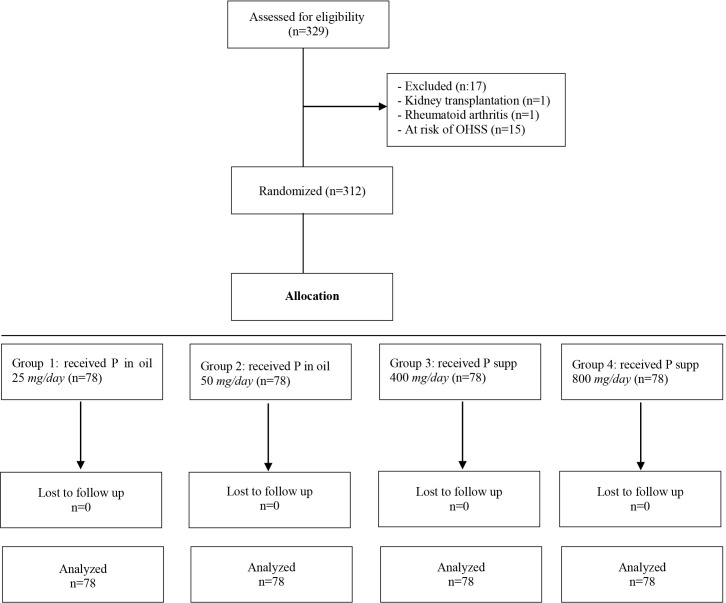
Table 1. Main demographic data, cycle characteristics, infertility types, and reproductive outcomes of patients in four groups
| Parameters | Group 1 (n=78) | Group 2 (n=78) | Group 3 (n=78) | Group 4 (n=78) | p-value |
|---|---|---|---|---|---|
| Age (year) * | 29.83±3.75 | 29.17±3.83 | 29.59±3.83 | 29.01±4.50 | 0.25 a |
| BMI (kg/m2 ) * | 24.87±3.23 | 24.96±4.11 | 29.59±3.83 | 29.01±3.75 | 0.30 a |
| Duration of infertility (year) * | 3.08±2.09 | 3.56±2.20 | 3.01±1.66 | 2.90±1.86 | 0.41 a |
| Type of infertility ** | |||||
| Primary | 44 (56.4) | 52 (66.7) | 56 (71.8) | 50 (64.1) | 0.30 b |
| Secondary | 34 (43.6) | 26 (33.3) | 22 (28.2) | 28 (35.9) | |
| Causes of infertility ** | |||||
| Male factor infertility | 48 (61.5) | 45 (57.7) | 33 (42.3) | 36 (46.2) | 0.07 b |
| Unexplained infertility | 30 (38.5) | 33 (42.3) | 45 (57.7) | 42 (53.8) | |
| On the day of HCG administration * | |||||
| Number of dominant follicles | 1.62±1.05 | 1.51±1.05 | 1.62±1.17 | 1.47±1.03 | 0.10 a |
| Follicular size (mm) | 16.41±2.34 | 17.55±2.38 | 16.57±2.64 | 16.99±3.15 | 0.12 a |
| Endometrial thickness (mm) | 7.29±1.3 | 7.11±1.6 | 7.10±3.15 | 7.61±3.00 | 0.40 a |
| Pregnancy outcomes | |||||
| Clinical pregnancy | 15 (19.2) | 11 (14.1) | 12 (15.4) | 12 (15.4) | 0.84 b |
| Ongoing pregnancy | 12 (15.3) | 9 (11.5) | 9 (11.5) | 10 (12.8) | |
| Abortion | 3 (20) | 2 (18.1) | 3 (20) | 2 (18.1) | |
| Twin pregnancy | 1 (6.6) | 0 | 0 | 1 (8.3) |
Data presented as Mean±SD,
Data presented as n (%),
ANOVA,
Chi-Square test
Table 2. The comparison of patients’ satisfaction, convenience, and drug side effects in four groups
| Variables | Group 1 (n=78) | Group 2 (n=78) | Group 3 (n=78) | Group 4 (n=78) | p-value |
|---|---|---|---|---|---|
| Patients’ satisfaction | |||||
| Very satisfied | 26 (33.4) | 26 (33.4) | 44 (56.4) | 42 (53.8) | 0.001 |
| Satisfied | 38 (48.7) | 37 (47.4) | 30 (38.5) | 30 (38.5) | |
| Unsatisfied | 14 (17.9) | 15 (19.2) | 4 (5.1) | 6 (7.7) | |
| Patients’ convenience | |||||
| Very convenient | 10 (12.8) | 12 (15.4) | 40 (51.3) | 43 (55.1) | 0.001 |
| Convenient | 28 (35.9) | 25 (32.0) | 20 (25.6) | 22 (28.2) | |
| Not convenient | 40 (51.3) | 41 (52.6) | 18 (23.1) | 13 (16.7) | |
| Drug side effects | |||||
| Yes | 6 (7.7) | 9 (11.5) | 4 (5.1) | 4 (5.1) | 0.37 |
| No | 72 (92.3) | 69 (88.5) | 74 (94.9) | 74 (94.9) |
Data presented as n (%). Chi-Square test
To the best of our knowledge, this is the first randomized clinical trial that compares IM and vaginal progesterone administration for LPS in patients with male factor or unexplained infertility intending to start ovarian stimulation with letrozole/highly purified FSH and IUI. Although the benefit of progesterone administration during LP has been well-documented in IVF/ICSI cycles (4), the question regarding its necessity in IUI cycles still remains unanswered.
The results of some studies showed that LPS by vaginal progesterone administration did not improve the clinical pregnancy rate of stimulated IUI cycles when compared with no administration of LPS (7, 8).
On the contrary, several separate meta-analyses have shown that LPS enhanced the chances of clinical pregnancy and live birth rates in IUI cycles where ovulation induction was achieved with gonadotropins (9, 10), yielding more than one follicle (11). Based on these positive findings, progesterone supplementation is a standard practice in IUI cycles worldwide. When progesterone is applied using different ways of administration, it has various pharmacokinetic and pharmacodynamics properties. Vaginal administration results in higher uterine concentrations by bypassing the first-pass effect through the liver; however, one of its disadvantages is the requisite to administer it two-three times daily which may cause discomfort and discharge. Serum progesterone levels after IM injection are typically higher than vaginal form. However, its injection is painful (13, 14) and may lead to inflammation, redness, and even sterile abscess formation at the injection site. Acute eosinophilic pneumonia is rarely reported with IM progesterone administration (12).
In this study, similar clinical and ongoing pregnancy rates in patients undergoing COH-IUI cycles were shown whose LP was supported with IM progesterone (25 or 50 mg) or vaginal progesterone (400 mg or 800 mg) administration. Two randomized clinical trials showed that the administration of different types of progesterone (17 OH progesterone vs. progesterone in oil and oral dydrogesterone vs. vaginal progesterone) resulted in similar pregnancy rates in woman undergoing IUI cycles (15, 16). Regarding the most suitable dose of progesterone in stimulated IUI cycles with gonadotropins, limited clinical documentation is found in literature. A recent randomized clinical trial, which evaluated the effectiveness of two different doses of vaginal progesterone for IUI cycles in achieving pregnancy, showed that a maximum daily dose of 300 mg of intravaginal micronized progesterone was sufficient for LP when compared with 600 mg (17).
In our study, patients’ satisfaction and convenience was significantly higher with vaginal progesterone than IM progesterone administration. Only a few studies on progesterone for LPS assessed patients’ treatment satisfaction and ease of use. Their findings indicated greater satisfaction with vaginal gel and vaginal insert than IM progesterone administration (18, 19). Conversely, in Zaman et al.’s study, patients’ satisfaction with vaginal (cyclogest) and IM progesterone supplementation was similar, while in Khosravi et al.’s study, patients in dydrogesterone group had more satisfaction in comparison to vaginal progesterone group (16, 20). Conducting the study in a single center and its low power are some limitations of the current study. Further prospective studies with a larger sample size conducted in multiple centers are needed to confirm the results of this study.
The results of this randomized clinical trial showed that vaginal progesterone administration provides a more easy-to-use and convenient method than IM progesterone for LPS in IUI cycles with comparable pregnancy rates. In this study, it was also demonstrated that 400 mg of vaginal progesterone suppository should be the maximum dose for LPS when compared with 800 mg. If the patient prefers IM progesterone, 25 mg progesterone dose should be prescribed instead of 50 mg.
The authors would like to thank the Deputy of Research of Semnan University of Medical Sciences for their financial support. This article was extracted from the thesis of Gohar Joorabloo with registration ID of IRCT2015030521344N1.
