
Herpesviridae family is characterized as an enveloped’ double-stranded DNA virus family which contributes to persistent infections in humans. The subfamily of Alphaherpesvirinae has been classified into five genera and 45 species and human alphaherpesvirus 1 and 2 are two ubiquitous members of this subfamily belonging to the genus Simplexvirus with common names of herpes simplex type 1 and 2 (HSV-1 and HSV-2) (1–3). These viruses have been associated with orofacial and genital infections, respectively. Recognized as one of the most widespread agents causing sexually transmitted infections (STIs) worldwide, 60–95% of adult population around the world are either carrying HSV viruses or are affected by associated infections which are usually subclinical or asymptomatic and depend on the host’s immune system as well as the frequency of entries (4, 5). HSV-1 is predominantly transmitted non-sexually through mouth-to-mouth contact leading to oral ulcers, while HSV-2 accounts for genital ulcers transmitted through sexual contacts (6, 7). However, some reports consider HSV-1 as a causative agent of genital ulcers (8). According to the latest report published by World Health Organization (WHO) in 2017, 67% of people under the age of 50 as well as 13% of people aged 15–49 are globally infected by HSV-1 and HSV-2, respectively. It is also estimated that approximately 313 million women are infected by HSV-2 in 2017 (8–9).
Both types are highly infectious in pregnant women and can be transmitted from mother to neonate through viremia or most probably during vaginal delivery, which cause neonatal herpes and increase the mortality rate (5, 10). Neonatal herpes is an uncommon but destructive complication of HSV infection during gestational period (11). The risk of vertical transmission of HSV from seronegative pregnant women who encounter the virus for the first time in the third trimester of pregnancy is much more than pregnant women previously exposed to HSV; sometimes, the primary maternal infection occurs during the early stages of pregnancy (12, 13). HSV acquisition in gestational status results in spontaneous abortion, prematurity, preterm birth, stillbirth, severe neurologic injuries, and congenital and neonatal herpes (14, 15). Acyclovir therapy of infected pregnant women and cesarean delivery, once genital lesions had been localized, are effective measures which have to be taken in to account to mitigate HSV congenital transmission (16, 17).
Although the rate of HSV-1 is globally on the rise, improvement in hygienic status of some societies reverse the increasing trend of this proportion. As such, improved sanitation would curb the pre-puberty encountering of adolescents with this virus which increases the risk of post-puberty HSV contagion (4, 18). Moreover, as stated by Kahlon and Whitley, 80% of mothers with infected newborns are unaware of their HSV-infection history (19). All in all, investigating and following up the women in childbearing age, especially before and during pregnancy, is a crucial measure to hinder the complications of HSV infection including neonatal herpes (20).
In this regard, this study was designed to determine two known HSV types from pregnant women admitted to Sayyad hospital in Gorgan, Iran. In the present study, PCR and ELISA tests were used for detection of genome and antibodies in genital specimens and serum, respectively. To determine types of HSV, PCR technique was carried out using appropriate primers. In addition, data on sero-prevalence of HSV infection was reported among women attending Sayyad hospital in Gorgan, Iran.
Study population and clinical specimens: In this study, 315 pregnant women admitted to Sayyad Hospital, North east of Iran, enrolled in this study, from May 2018 to September 2018 and serum as well as cervicovaginal lavage specimens were collected and then transported on ice to the department of microbiology at Golestan University of Medical Sciences, Gorgan, Iran. Moreover, a list of clinical, behavioral, and socio-demographic factors was compiled. Cervicovaginal lavage specimens were centrifuged at 1000×g for 10 min and the supernatant was discarded. Cellular materials were re-suspended in 1 ml of PBS and stored at −20°C for short term storage or at −70°C for longer term. Peripheral blood specimens were taken, and aliquots of serums were obtained by centrifugation at 2000×g for about 10 min and then stored at −20°C until the serological analyses.
This cross-sectional study was approved by the Ethic Committee of Golestan University of Medical Sciences (Ethic code: IR.Goums.REC.1397. 70), and it has been accomplished under supervision of an obstetrician. Participants were informed by physicians about this study and written informed consent was taken from them. Furthermore, all experiments were carried out in compliance with relevant laws and guidelines, and in line with ethical standards of the Declaration of Helsinki.
Viral DNA extraction and polymerase chain reaction: Viral DNA was extracted from cervicovaginal lavage specimen by the Blood DNA extraction kit (DB10025, DB10050, and DB10100; Gene Transfer Pioneers, Iran) according to the manufacturer's guideline. The presence of UL5 (HSV1) and UL27 (HSV2) genes was evaluated via multiplex PCR assay using PCR master mix kit (Amplicon, Denmark). The appropriate designed forward and reverse primers for detection of UL5 and UL27 are presented in table 1 (21). The aforementioned genes were amplified under the following thermal condition: initial denaturation at 95°C for 15 min, followed by 35 cycles of denaturation at 94°C for 45 s, annealing at 58.5°C for 45 s, extension at 72°C for 45 s, and a final extension step at 72°C for 7 min. PCR products were analyzed with UV light after running at 100 V for 1 hr on a 1.5% agarose gel stained with DNA safe stain (SinaClon, Iran).
Table 1. HSV-1 and HSV-2 type-specific primers
| Virus | Gene | Product size | Annealing temperature | Primer |
|---|---|---|---|---|
| HSV-2 | UL5 | 412 | 60.1/60.0 | F 5’-CGCGCCTCCGAAAGATGGTGTT-3’ R 5’-TCGTCCAGCCCGGCGAAGATAA-3’ |
| HSV-1 | UL27 | 217 | 59.9/60.0 | F 5’-GACGTCACCGTTTCGCAGGTGT-3’ R 5’-CGTTGGCCGGTTTCAGCTCCAT-3’ |
Detection of HSV-1/2 -specific antibodies: Serum IgG and IgM antibodies against HSV-1 and HSV-2 were detected by competitive type-specific enzyme-linked immunosorbent assay (ILE-HSC01 and ILE-HSC03). Results were entered in Microsoft Excel 2010, and specimens were interpreted as seropositive or seronegative.
Statistical analysis: The clinical, behavioral, sociodemographic factors, and laboratory results were analyzed via SPSS software V.19.0. Qualitative variables were tested using the Chi-Square test. The p-values ≤0.05 were considered statistically significant.
Patient and specimen characteristics: A total of 315 distinct clinical specimens were collected from pregnant women in a five-month period of study. Most subjects aged 24–33 (53.0%) and their average age was 28.66 years old (SD±6.19), ranging from 14–43 years (Figure 1, Table 2). In terms of behavioral factors, the mean age for the onset of sexual intercourse was 20.23 years (SD±4.55), and 96.2% (303/315) of the subjects had only one lifetime partner. As shown in table 3, 83.8% (264/ 315) didn’t use any condoms and 15.9% (50/315) had anal sex during their sexual activity.
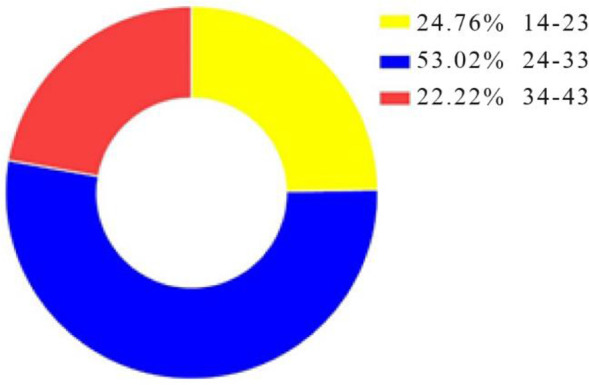
Table 2. Demographic characteristics of pregnant women
| Item | Sample size | HSV-1 positive | HSV-2 positive | IgG positive | IgM positive | ||||
|---|---|---|---|---|---|---|---|---|---|
|
| |||||||||
| N (%) | N (%) |
p-value
χ2 | N (%) |
p-value
χ2 | N (%) |
p-value
χ2 | N (%) |
p-value
χ2 | |
| Demographic factors | |||||||||
| Age, y | 0.2 | 0.5 | 0.2 | 0.8 | |||||
| 14–23 | 78 (24.8%) | 3 (16.7%) | 6 (23.1%) | 72 (24.7%) | 3 (17.6%) | ||||
| 24–33 | 167 (53.0%) | 8 (44.4%) | 12 (46.2%) | 152(52.1%) | 10 (58.8%) | ||||
| 34–43 | 70 (22.2%) | 7 (38.9%) | 8 (30.8%) | 68 (23.3%) | 4 (23.5%) | ||||
| Occupation | 0.3 | 0.2 | 0.7 | 0.9 | |||||
| Employee | 19 (6.0%) | 2 (11.1%) | 3 (11.5%) | 18 (6.2%) | 1 (5.9%) | ||||
| Housewife | 296 (94.0%) | 16 (88.9%) | 23 (88.5%) | 274 (93.8%) | 16 (94.1%) | ||||
| Accommodation | 0.5 | 0.1 | 0.8 | 0.8 | |||||
| Urban | 172 (54.6%) | 11 (61.1%) | 18 (69.2%) | 160 (54.8%) | 9 (52.9%) | ||||
| Rural | 142 (45.1) | 7 (38.9%) | 8 (30.8%) | 132 (45.2%) | 8 (47.1%) | ||||
| Educational level | 0.5 | 0.8 | 0.04 | 0.9 | |||||
| Illiterate | 60 (19.0%) | 4 (22.2%) | 7 (15.4%) | 59 (20.3%) | 4 (23.5%) | ||||
| Diploma or less | 194 (61.6%) | 9 (50.0%) | 17 (64.4%) | 180 (62.1%) | 10 (58.8%) | ||||
| Higher levels | 59 (18.7%) | 5 (27.5%) | 5 (19.2%) | 51 (17.6%) | 3 (17.6%) | ||||
Table 3. Herpes simplex virus type 1 and 2 and their molecular and serological prevalence
| Item | Sample size | HSV-1 positive | HSV-2 positive | IgG positive | IgM positive | |||||
|---|---|---|---|---|---|---|---|---|---|---|
|
| ||||||||||
| N (%) | N (%) | p-value χ2 | N (%) | p-value χ2 | N (%) | p-value χ2 | N (%) | p-value χ2 | ||
| Behavioral factors | ||||||||||
| Anal sex | Yes | 51 (16.1%) | 2 (11.1%) | 0.5 | 5 (19.2%) | 0.6 | 44 (15.1%) | 0.05 | 0 | 0.06 |
| No | 264 (83.2%) | 16 (88.9%) | 21 (80.8%) | 248 (84.9%) | 17 (100%) | |||||
| Condom use | Yes | 49 (15.6%) | 3 (16.7%) | 0.8 | 10 (38.5%) | 0.001 | 47 (16.1%) | 0.6 | 2 (11.8%) | 0.3 |
| No | 264 (83.8%) | 15 (83.3%) | 16 (61.5%) | 245 (83.9%) | 15 (88.2%) | |||||
| Age at first sexual intercourse | <20 | 159 (50.4%) | 7 (38.9%) | 0.3 | 13 (50.0%) | 0.9 | 147 (50.3%) | 0.8 | 8 (47.1%) | 0.7 |
| ≥20 | 156 (49.5%) | 11 (61.1%) | 13 (50.0%) | 145 (49.7%) | 9 (53.9%) | |||||
| Clinical factors | ||||||||||
| Trimester of pregnancy | 1st | 29 (9.2%) | 1 (5.6%) | 0.1 | 3 (11.5%) | 0.1 | 26 (8.9%) | 0.1 | 2 (11.8%) | 0.1 |
| 2nd | 11 (3.5%) | 0 | 1 (3.8%) | 11 (3.8%) | 0 | |||||
| 3rd | 275 (87.3%) | 17 (94.4%) | 22 (84.6%) | 255 (87.3%) | 15 (88.2%) | |||||
| Mode of delivery | Vaginal | 148 (46.9%) | 9 (50.0%) | 0.9 | 11 (42.3%) | 0.7 | 138 (47.3%) | 0.6 | 9 (52.9%) | 0.8 |
| Cesarean | 152 (48.2%) | 8 (44.4%) | 13 (50.0%) | 141 (48.3%) | 7 (41.2%) | |||||
| Abortion | 15 (4.8%) | 1 (5.6%) | 2 (7.7%) | 13 (4.5%) | 1 (5.9%) | |||||
| History of abortion | Yes | 94 (29.8%) | 6 (33.3%) | 0.7 | 10 (38.5%) | 0.3 | 88 (30.1%) | 0.6 | 2 (11.8%) | 0.09 |
| No | 221 (70.1%) | 12 (66.7%) | 16 (61.5%) | 204 (69.9%) | 15 (88.2%) | |||||
| Unusual discharge | Yes | 123 (39.0%) | 10 (55.6%) | 0.1 | 16 (61.5%) | 0.01 | 114 (39.0%) | 0.9 | 5 (29.4%) | 0.4 |
| No | 192 (60.9%) | 8 (44.4%) | 10 (38.5%) | 178 (61.0%) | 12 (70.6%) | |||||
| Herpes labialis history | Yes | 125 (39.7%) | 6 (33.3%) | 0.5 | 12 (46.2%) | 0.4 | 121 (41.4%) | 0.02 | 6 (35.3%) | 0.3 |
| No | 190 (60.3%) | 12 (66.7%) | 14 (53.8%) | 171 (58.6%) | 11 (64.7%) | |||||
| Vaginal cold sore | Yes | 5 (1.6%) | 0 | 0.7 | 1 (3.8%) | 0.2 | 5 (1.7%) | 0.6 | 0 | 0.7 |
| No | 310 (98.4%) | 18 (100%) | 25 (96.2%) | 287 (98.3%) | 17 (100%) | |||||
| Vaginal cold sore history | Yes | 4 (1.3%) | 0 | 0.7 | 0 | 0.7 | 4 (1.4%) | 0.7 | 0 | 0.8 |
| No | 311 (98.7%) | 18 (100%) | 26 (100%) | 288 (98.6%) | 17 (100%) | |||||
| Sex pain | Yes | 91 (28.9%) | 4 (22.2%) | 0.5 | 5 (19.2%) | 0.2 | 84 (28.8%) | 0.8 | 6 (35.3%) | 0.5 |
| No | 224 (71.1%) | 14 (77.8%) | 21 (80.8%) | 208 (71.2%) | 11 (64.7%) | |||||
| Pap-smear | Yes | 76 (24.1%) | 7 (38.9%) | 0.1 | 4 (15.4%) | 0.2 | 71 (24.3%) | 0.7 | 7 (41.2%) | 0.09 |
| No | 239 (75.8%) | 11 (61.1%) | 22 (84.6%) | 221 (75.7%) | 10 (58.8%) | |||||
| Partner’s cold sore history | Yes | 96 (30.4%) | 5 (27.8%) | 0.7 | 6 (23.1%) | 0.3 | 92 (31.5%) | 0.1 | 4 (23.5%) | 0.5 |
| No | 219 (69.5%) | 13 (72.2%) | 20 (76.9%) | 200 (98.5%) | 13 (76.5%) | |||||
HSV-1: Herpes Simplex Virus 1; HSV-2: Herpes Simplex Virus 2
Regarding the clinical factors, 87.3% (275/315) were at their third trimester of pregnancy. Mode of delivery was almost equal between vaginal and cesarean section, 41.6% and 45.7%, respectively, and 4.8% (15/315) of subjects referred to the hospital for therapeutic abortion and 29.7% (93/315) had a history of abortion. Concerning sexually transmitted infections, 38.7% (122/315) of the subjects reported unusual discharge. Also, 75.6% (238/315) didn’t have a pap-smear test. Out of 315 participants, 5 (1.6%) had vaginal cold-sore at the time of study; moreover, 4 (1.4%) had a history of vaginal cold-sore and 125 (39.7%) had a history of herpes labialis. In case of the partners, 29.8% (94/315) reported cold-sore history (table 3).
Molecular identification of HSV- 1 and 2: Based on molecular analyses, the frequency of HSV-1 and HSV-2 in this study was estimated 5.7% and 8.3%, respectively. The highest rate of HSV-1 and 2 was registered in 24–33-year-old participants as 44.4% (8/167, p=0.2) and 46.2% (12/167, p=0.5), respectively. Regarding the behavioral factors, further statistical tests revealed that 11.1% (2/18, p=0.5) of HSV1 positive and 19.2% (5/26, p=0.6) of HSV-2 positive participants had experienced anal sex in their sexual activities. What stands out in table 3 is the significant prevalence of HSV-2 in patients who did not use a condom in their sexual activity (61.5%, 16/26, p=0.001). Additionally, 61.1% (7/18, p=0.3) of those who were positive for HSV-1 reported their first sexual intercourse after the age of 20 and the prevalence of HSV-2 was equal in both contributors younger and older than 20 (50.0%, 13/26, p=0.9) (Figure 2).
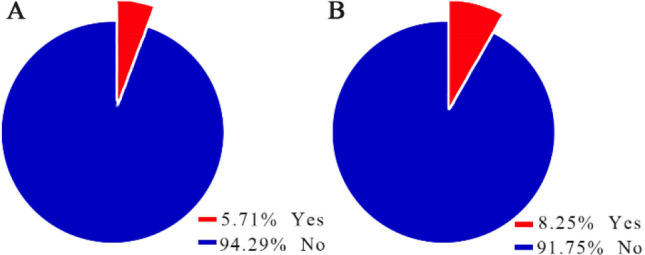
As shown in table 3, 33.3% (6/18, p=0.7) of HSV-1 positive and 38.5% (10/26, p=0.3) of HSV-2 positive subjects reported a history of abortion. Moreover, 55.6% (10/18, p=0.1) of participants with HSV-1 DNA had unusual discharge, although closer inspection of table 3 shows 61.5% (16/26, p=0.01) of HSV-2 positive participants experienced unusual discharge.
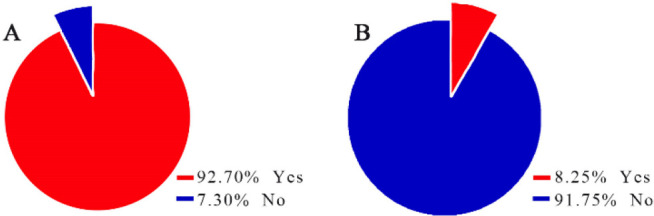
Serological identification of HSV- 1 and 2: The results obtained from the serological analyses of total HSV-1 and HSV-2 antibodies revealed that the rate of IgG and IgM was estimated as 92.7% (239/315) and 5.4% (17/315), respectively. The same as molecular reports, the rates of IgG and IgM were the highest among 24–33-year-old women as 52.1% (152/292, p=0.7) and 58.8% (10/17, p=0.8), respectively. Furthermore, 15.1% (44/292, p=0.05) of IgG positive patients reported an experience of anal sex during their lifetime, while none of them was IgM positive (p=0.06). The rate of IgG and IgM in participants with a history of abortion was 30.1% (88/292, p=0.6) and 11.8% (2/17, p=0.09), respectively. In the case of herpes labialis history, 41.4% (121/292, p=0.02) of participants were IgG positive and 35.3% (6/17, p=0.6) were IgM positive (Figure 3).
The present study provides beneficial data on molecular and sero-prevalence of HSV-1 and HSV-2 infection among women in North east of Iran due to its efficient screening plan as most individuals are unaware of this viral infection. The prevalence of these viruses depends on several factors, including sample size, demographic factors (e.g. age, sex), age at coitarche, number of lifetime sexual partners, and the specificity and sensitivity of the diagnostic tests (22).
According to recent studies, total prevalence of HSV-1, HSV-2, and HSV infections was estimated as 42.04% (20.9–63.1), 6.5% (4.7–8.2), and 25.7% (8.8–42.5), respectively among Iranian woman (22). A study by Monavari et al. reported the prevalence rate of 22.9% and 14.3% for HSV-1 and HSV-2, respectively (23). The other study conducted in Sudan among 100 pregnant women also reported low prevalence of HSV-1 and HSV-2 (3% and 2%, respectively), which is similar to the current findings (24). In our study, 5.7% (18/ 315) and 8.3% (26/315) of clinical specimens were positive for HSV-1 and HSV-2 genome, respectively. This widespread variability may be explained by above-mentioned variables. The results of molecular typing in this study revealed that HSV-2 was dominant with the prevalence of 8.3%.
In addition, ELISA test was used for detection of antibodies (IgM, IgG, and total) against HSV-1 and HSV-2 in serum specimens. One study conducted by Rezaei-Chaparpordi et al. in North east of Iran among 800 women also reported prevalence rate of 58.4% and 3.5% for HSV-1 and HSV-2, respectively. They have also reported that HSV-1 is more prevalent than HSV-2, and its sero-prevalence increased with age (25). In contrast, our ELISA results showed that the rate of IgM and IgG antibodies against both HSV-1 and HSV-2 infection were 5.4% and 92.7%, respectively. According to our molecular analysis, a total of 44 specimens were positive for HSV infections. HSV-2 was detected more in pregnant women in comparison to HSV-1, and the percentages of positive cervicovaginal lavage specimens during this study were 8.3% versus 5.7%, respectively. This is possibly because genital infection is more easily transmitted from men to women during penile-vaginal intercourse. Based on Mehta et al., penile microbiome is associated with HSV in female partners, and vaginal taxa are associated with HSV in male partners (26). Comparing the results reported in different parts of Iran with those estimated in the current study, molecular prevalence of HSV infections (HSV-1 and HSV-2) among pregnant women in North east of Iran is lower than the one in other regions of Iran (22).
On the other hand, based on our serological survey, there was an increase in the sero-prevalence of HSV infections (92.7%) among the pregnant women studied in the current study. Although the major limitation of the present study was lack of investigation on the specific antibodies against HSV-1 and HSV-2 by ELISA, it has been reported that sero-prevalence of both types of herpes infection can be used in epidemiological studies and for providing strategies in development of healthcare policies. The high sero-prevalence of HSV infections in our study could be due to the high transmission of the viruses, lack of awareness of this viral infection among women, and also environmental factors (22).
In this study, there was significant correlation between the condom use, unusual discharge, and HSV-2 infection. In line with the findings of Wald et al., the current study proved that using condoms decreases the risk of acquiring HSV-2 infection (27). Moreover, transmission of HSV takes place through various parts of genital area, not only areas covered with a condom (28–30). Additionally, the result of this study was in line with findings of Nagot et al. in which the association of bacterial vaginosis (BV) and HSV-2 was investigated (31). Based on the studies, BV not only increases the risk of HSV-2 infection, but also promotes its replication. On the other hand, repeated replication of genital HSV-2 changes the vaginal flora, resulting in BV infectivity. In addition, HSV-2 reactivation can be caused by changes in vaginal pH or menstruation (26, 31, 32). The age group analysis of HSV-positive cases revealed that the highest infection rate was among women between 24 and 33 years. In agreement with our study, the study conducted in South Africa found similar findings (33, 34). In the present study, a correlation was found between HSV infectivity and young ages, similar to other investigations, which may be explained by higher sex drive in this age range. Additionally, the age range of 20–29 years was dominant among the women studied in the previous study (35). Based on WHO guidelines, abortion is a common health intervention and medical means of ending a pregnancy. Additionally, abortion is one of the consequences of HSV-2 infection which is a major cause of genital HSV (36); however, no significant association was observed between abortion, antibodies, and viral DNA in the current study. Presumably, the participants of this study were referred to the hospital for elective abortion, not miscarriage.
Overall, due to the fact that screening pregnant women for HSV infection is mostly implemented upon the clinician’s request, and it exerts calamitous effects on the outcomes of delivery besides increasing the risk of various infections including HIV as well as BV, it is highly recommended to add this infection to list of sexually transmitted infections in preparing treatment guidelines. Moreover, implementing further studies like the current investigation, not only expands the researcher’s viewpoints regarding the viruses, their impacts on the population, and health status of the societies, but also paves the way for ordinary people to prevent detrimental consequences of such infections by timely screening and treatments.
The most obvious finding to emerge from this study is the lower rate of HSV-1&2 in pregnant women in comparison of those of reported by WHO. However; it seems that conducting large-scale studies to determine HSV infections and their trends over time among Iranian women, especially in pregnant women, is necessary; moreover, molecular and serological techniques are beneficial tools for such investigations. Also, in order to prevent the negative effects of HSV infection on pregnancy outcomes, reproductive age as the critical time period should be the focus of the research concerning HSV infection.
The authors would like to thank Sayyad hospital staff, as well as the laboratory staff and the Department of Microbiology, Golestan University of Medical Sciences, Gorgan, Iran, for the technical support. This study was granted by the research deputy of Golestan University of Medical Sciences (Grant number: 970225015). This project was extracted from an MSc thesis with ethics code of IR.GUOMS.REC. 1397.70.
