
In IVF, ovarian stimulation with gonadotropins plays a pivotal role. The vast majority of IVF cycles are performed by stimulation with FSH or FSH activity. Regarding the addition of LH or hMG, a number of authors recommend including it in some specific groups of patients such as older women and poor ovarian reserve cases (1, 2). However, results are controversial (1–6). In a recent meta-analysis, it has been shown that although fewer oocytes were obtained with LH cotreatment in women aged 35–40 years, there was a significant increase in pregnancy rate (PR) and implantation rates (1).
LH seems to improve oocyte quality and maturation (7), as well as endometrial decidualization and receptivity (8). Exogenous LH administration increases androgen activity in theca cells, which is important for follicular maturation and is impaired in women of advanced age (9). It has been suggested that the failure to report benefits with LH administration in women over 40 could be related with the high aneuploidy rate, which is the most important prognostic factor in cases over 40 years (1).
There is agreement concerning the fact that increasing the FSH dose over a certain threshold does not increase pregnancy rate (PR) (10, 11). Regarding LH, it has been shown that the maximal steroidogenic response was obtained with 1% of the LH receptors coupled to LH (12). Thus, LH normal endogenous concentrations should be sufficient to provide maximal stimulation (12). Furthermore, a number of authors have proposed a therapeutic window for LH administration (13 - 16) and it has been put forward that in women undergoing down-regulation and recombinant FSH stimulation, there is a threshold level of 75 IU of recombinant LH and a ceiling level of 250 recombinant LH, below which E2 production is not adequate and above which LH may be detrimental to follicular development (16). However, the comparison of the efficacy of different doses of LH added to the same FSH dose has received little attention.
The aim of our study was to compare the ICSI results of two different doses of LH added to the same FSH dose in agonist IVF cycles in women aged 35–39 years. Two protocols were compared in this study. In one group, the FSH dose (300 IU/day) and LH dose (75 IU/day) necessitated the administration of each hormone separately using different preparations, namely Gonal for FSH and Luveris for LH. In the other group, the required doses of FSH (300 IU/day) and LH (150 IU/day) were combined in a single preparation, Pergoveris, with a fixed dose of FSH/LH 2/1 proportion. This allowed for the administration of both hormones in one injection, reducing the number of injections for each patient.
The study population consisted of 447 women aged 35–39 years undergoing ovarian stimulation for an ICSI cycle at the Human Reproduction Unit of Cruces Hospital, Spain, between January 2017 and December 2017. The inclusion criteria were the following: infertility >1 year, woman aged 35–39 years, AMH >0.4 ng/ml, antral follicle count >6, body mass index (BMI) <30 kg/m2, presence of both ovaries, regular menstrual cycles (every 25–35 days), and ICSI indication.
the risk of infection, refusal or inability to comply with the protocol of this study, endocrine abnormalities (polycystic ovarian syndrome, diabetes mellitus, hypothyroidism or hyperprolactinemia), and classical IVF indication.
male factor, tubal factor, IUI failure, and endometriosis. In our center, at the time of the study, conventional IVF was restricted for cases with normal sperm in the first cycle or with normal sperm and a previous pregnancy. Both conditions were excluded from the study.
The study was approved by the Cruces Clinical Research Ethics Committee (CEIC) with CEIC code of E14/30. The study was registered in the Clinical Trials.gov Identifier under the number NCT02994550. Written informed consent was obtained from women, and partners in case of couples.
The objective of our study was to compare the 75 IU and 150 IU doses of recombinant LH, because there was no comparative analysis between the two doses in the literature in spite of being the most widely studied hormone. A FSH/LH ratio of 2/1 was selected in the study, as it is commonly recommended. For the study group, a dose of 300 IU FSH and 150 IU LH was chosen. In contrast, the control group received a lower LH dose of 75 IU, but the same FSH dose of 300 IU was administered to prevent potential result disparities attributed solely to the reduced FSH dose.
During the study period, all the patients undergoing ICSI were subjected to pituitary down-regulation in long protocol with the GnRH agonist trip-torelin (Decapeptyl®, Ipsen, Spain) (17). Its administration was started on day 20–22 of the previous cycle, at the subcutaneous dose of 1 mg. Once ovarian quiescence was confirmed by ovarian ultrasound, the GnRH agonist dose was reduced to 0.5 mg/day after 8–12 days. That dose was maintained until triggering. When ovarian quiescence had been confirmed and menstruation had begun, ovarian stimulation was started. During the study period, two stimulation protocols were employed. The first protocol, referred to as the 300/150 group, exclusively utilized Pergoveris (Merck, Spain), which contains both recombinant FSH and recombinant LH. In this protocol, a daily dose of 300 IU FSH and 150 IU LH was administered. The second protocol, known as the 300/75 group, involved the use of 300 IU recombinant FSH (Gonal-f, Merck, Spain) and 75 IU recombinant LH (Luveris, Merck, Spain) administered on a daily basis. The selection of either stimulation protocol was independent of clinical criteria, previous cycle responses to stimulation, demographic factors, or economic considerations (such as the provision of medication free of charge through our National Health System).
On day 6–7, follicle development monitoring was started with vaginal ultrasound and estradiol monitoring. If necessary, dose was adjusted according to clinical criteria. When 3 or more follicles ≥18.5 mm were observed, 250 IU/mg of hCG (Ovitrelle, Merck, Spain) were administered to complete follicular maturation and trigger ovulation.
Oocyte pick-up was scheduled 36 hr later, and it was performed under local anesthesia and sedation. To mitigate the risk of ovarian hyperstimulation syndrome (OHSS), cycles in which the anticipated outcome was more than 20 oocytes or with estradiol levels surpassing 4,000 pg/ml were canceled. In such cases, hCG was not administered, and follicular aspiration was not performed. Cycles with a yield of ≤2 oocytes were canceled, resulting in the exclusion of human chorionic gonadotropin (hCG) administration and the omission of follicular aspiration. Once the oocytes were obtained, ICSI was performed as previously published (18). Embryo transfer was performed on day 2–3, under ultrasound guidance (19). One or two embryos were transferred in good prognosis cases while three were transferred in cases of poor-quality embryos.
The luteal phase support protocol was the one usually used in our center (20), the usefulness of which has been demonstrated in different studies (21, 22). The treatment involved the application of vaginal progesterone (Utrogestan, Laboratorios Seid, Spain) at a dose of 400 mg every 12 hr.
A blood beta-HCG analysis was performed 12–14 days after embryo transfer. Clinical pregnancy was defined as the presence of an intrauterine gestational sac on ultrasound with fetal heart activity at 7–8 weeks of gestation. Subsequently, upon completion of the pregnancy, the relevant medical records pertaining to pregnancy, labor, and newborn data were carefully reviewed. The staff performing oocyte pick-up, oocyte and embryo management, embryo transfer, estradiol and hCG analyses, and gestational ultrasounds were blinded to the gonadotropin protocol administered. Both gonadotropins and the other medications used were fully covered and reimbursed by the Spanish National Health System.
Statistical analysis was performed through Student’s t test and χ2 following the standard criteria of applicability. Analysis of covariance (ANCOVA) was applied to the implantation rate, as described with detail in the results section. Significance level was established at p=0.05.
Both groups exhibited remarkable similarity in terms of demographic and clinical characteristics. A total of 13 cycle cancellations were observed (Figure 1): 7 cycles in the 300/150 group (4 cycles due to the risk of ovarian hyperstimulation syndrome (OHSS), 1 due to a low response, 1 cycles due to intercurrent disease (upper respiratory tract infection), and 1 cycles for non-medical reasons), and 6 cycles in the 300/75 group (4 cycles due to the risk of hyperresponse, 1 cycles due to a low response, and 1 cycles for non-medical reasons). The relevant data are presented in table 1.
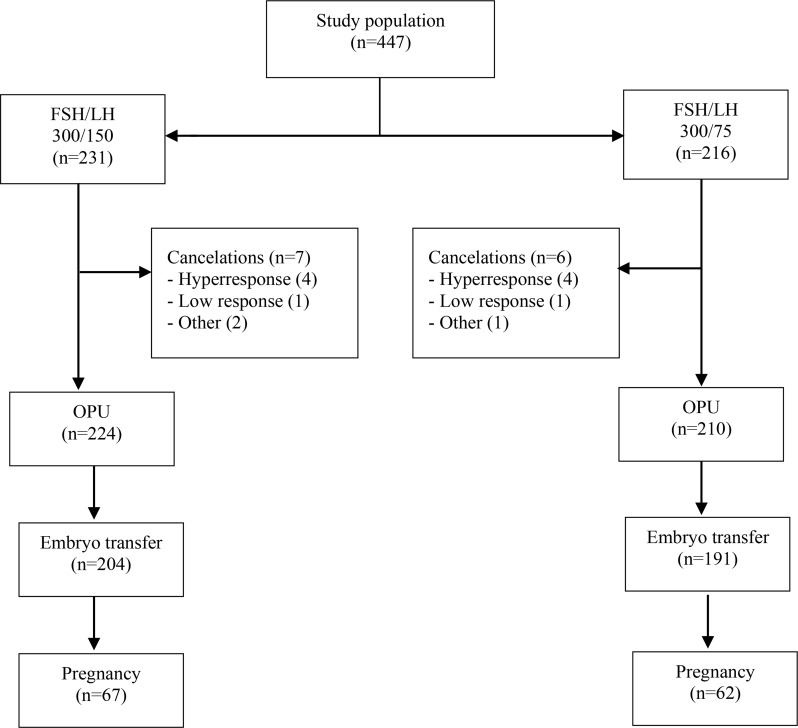
Table 1. Comparison of demographic characteristics in both 300/150 and 300/75 groups
| 300/150 group (n=231) Mean ± SD | 300/75 group (n=216) Mean ± SD | p-value | ||
|---|---|---|---|---|
| Woman’s age (years) | 37.53±1.23 | 37.55±1.22 | 0.86 | |
| Infertility duration (years) | 5.08±2.15 | 4.98±1.91 | 0.60 | |
| Weight (kg) | 62.66±11.11 | 64.24±11.13 | 0.27 | |
| Height (cm) | 162.44±9.16 | 162.82±6.16 | 0.60 | |
| BMI (kg/m2) | 23.62±2.60 | 23.39±2.90 | 0.37 | |
| Smoking (%) | 18.61 (43) | 18.06 (39) | 0.88 | |
| Basal FSH (mUI/ml) | 7.87±2.36 | 8.15±2.15 | 0.19 | |
| Basal LH (mUI/ml) | 3.40 ±1.38 | 3.29±1.53 | 0.85 | |
| AMH (ng/ml) | 1.42±0.81 | 1.39±0.85 | 0.70 | |
| Sperm characteristics | Ejaculate volume (ml) | 2.8±1.8 | 3.1±2.1 | 0.21 |
| Concentration (million/ml) | 49.3±25.8 | 51.8±27.3 | 0.64 | |
| Progressive motility (%) | 27.3±16.8 | 25.9±18.4 | 0.80 | |
| Main infertility conditions | Tubal factor (%) | 16.45 (38) | 18.52 (40) | 0.56 |
| Male factor (%) | 40.69 (94) | 42.13 (91) | 0.76 | |
| Endometriosis (%) | 10.39 (24) | 9.72 (21) | 0.81 | |
| IUI failure (%) | 32.47 (75) | 29.63 (64) | 0.52 | |
| Previous ART cycles | 0 | 53.25 (123) | 55.09 (119) | 0.70 |
| 1 | 31.17 (72) | 29.17 (63) | 0.65 | |
| 2 | 14.28 (33) | 13.89 (30) | 0.90 | |
| 3 | 1.30 (3) | 1.85 (4) | 0.64 |
According to the study design, the administered dose of LH in the 300/150 group was nearly twice that of the 300/75 group (1576.61±404.28 vs. 807.72±135.35, p<0.0001). On the other hand, the administered total dose of FSH was somewhat lower in the 300/150 group (3170.89±794.18) than in the 300/75 group (3350.68±906.507, p=0.03). There were no differences in the duration of the stimulation.
Estradiol levels were somewhat higher in the 300/150 group (2300±1179.45 vs. 2110±1161.24) on the day of hCG administration but the differences were not significant. Similarly, the 300/150 group exhibited a slightly higher number of retrieved oocytes (9.06±5.53 vs. 8.61±5.11); however, these differences were not statistically significant. The number of metaphase II oocytes also showed no significant difference between the two groups (7.18±4.86 vs. 6.72±4.72). The number of fertilized embryos was also similar (4.64±3.2 vs. 4.23±2.72), as was the fertilization rate. There was also no difference in the number of top embryos and in the number of cryopreserved embryos.
The overall cancellation rate, as well as the cancellation rate specifically due to the risk of ovarian hyperstimulation syndrome (OHSS), was comparable in both groups. Similarly, the cancellation rate due to a low response was also similar between the two groups. The relevant data are presented in table 2.
Table 2. Comparison of cycle parameters in both 300/150 and 300/75 groups
| 300/150 group (n=231) Mean ± SD | 300/75 group (n=216) Mean ± SD | p-value | |
|---|---|---|---|
| FSH total dose (IU) | 3170.89±794.18 | 3350.68±906.507 | 0.03 |
| LH total dose (IU) | 1576.61±404.28 | 807.72±135.35 | 0.00001 |
| Stimulation days | 11.16±0.23 | 11.13±0.23 | 0.17 |
| Estradiol on the day of hCG (pg/ml) | 2300±1179.45 | 2110±1161.24 | 0.17 |
| Total cancellation rate (%) | 3.03 (7) | 2.78 (6) | 0.87 |
| Cancellation for OHS risk (%) | 1.73 (4) | 1.85 (4) | 0.92 |
| Cancellation for low response (%) | 0.43 (1) | 0.46 (1) | 0.96 |
| Oocytes retrieved per OPU | 9.06±5.53 | 8.61±5.11 | 0.74 |
| Metaphase II oocytes | 7.18±4.86 | 6.72±4.72 | 0.62 |
| Microinjected oocytes | 7.18±4.86 | 6.72±4.74 | 0.62 |
| Fertilized oocytes | 4.64±3.20 | 4.23±2.72 | 0.29 |
| Transferred embryo | 1.94±1.10 | 1.92±1.30 | 0.86 |
| Cryopreserved embryo | 0.21±0.76 | 0.15±0.71 | 0.78 |
| Fertilization rate | 64.73±23.65 | 62.97±22.05 | 0.83 |
| Top quality embryos | 1.1±1.15 | 1.1±1.3 | NS |
The per-transfer clinical pregnancy rates exhibited a high degree of similarity between both groups, with rates of 32.84% in the 300/150 group and 32.46% in the 300/75 group. Additionally, the implantation rates were also comparable. The per-transfer live birth rate in the 300/150 group was 29.90%, while the 300/75 group achieved a live birth rate of 30.37%. When the results were analyzed on a per started cycle or per oocyte pick-up basis, the outcomes remained consistently similar in both groups. The multiple pregnancy rate was also similar in both groups. The associated data are presented in table 3.
Table 3. IVF outcomes in both 300/150 and 300/75 groups
| 300/150 group (%) | 300/75 group (%) | p-value | |
|---|---|---|---|
| Implantation rate | 18.61 (83/446) | 18.12 (75/414) | 0.85 |
| Clinical pregnancy per started cycle | 29.00 (67/231) | 28.70 (62/216) | 0.94 |
| Clinical pregnancy per OPU | 29.91 (67/224) | 29.52 (62/210) | 0.93 |
| Clinical pregnancy per transfer | 32.84 (67/204) | 32.46 (62/191) | 0.94 |
| Live birth rate per started cycle | 26.41 (61/231) | 26.85 (58/216) | 0.92 |
| Live birth rate per OPU | 27.23 (61/224) | 27.62 (58/210) | 0.93 |
| Live birth rate per transfer | 29.90 (61/204) | 30.37 (58/191) | 0.92 |
| Single pregnancy | 77.61 (52/67) | 79.03 (49/62) | 0.85 |
| Multiple pregnancy | 22.39 (15/67) * | 20.97 (13/62) | 0.85 |
| Miscarriage | 8.96 (6/67) ** | 6.45 (4/62) | 0.60 |
No significant differences.
*= including one case of triplets.
**= including one ectopic pregnancy
In order to strengthen the results, an ANCOVA analysis was performed. In this particular analysis, the objective was to minimize the impact of other variables when examining the differences between groups. The dependent variable of interest was the number of implanted embryos, with the independent variable being the FSH/LH ratio (either 300/150 or 300/75). To account for potential confounding factors, all quantitative variables listed in table 1, as well as the total dose of FSH and the duration of stimulation from table 2, were considered as covariates. To examine the intercorrelations among the variables, a multicollinearity test was conducted. The results indicated that there were no significant correlations between the dependent variable and the covariates. After applying the Bonferroni adjustment, none of the covariates surpassed the threshold for significance. The homogeneity of variances was evaluated by the Levene test (F=1.468 and p=0.226), which indicated that the homoscedasticity assumption could not be rejected.
However, since the explained variable was not distributed normally (z=0.422 and p<0.001), and therefore, all the hypotheses for ANCOVA were not fulfilled, a bootstrapping technique was used to approach this issue (simulating 1000 samples). Finally, the amount of variability explained by each covariate was determined and the marginal mean for the number of implanted embryos in both groups was calculated, while accounting for the influence of these covariates. In this model, the values of the partial eta squared, which indicate the amount of variability explained by each covariate, were found to have a small effect size (close to 0.01; in fact, all were lower than 0.02). Consequently, none of the covariates exhibited a significant impact on the variability of the dependent variable. The mean±SD values were 0.344±0.043 (with a confidence interval (0.26, 0.428)) for the 300/75 group, and 0.442±0.046 (with a confidence interval (0.351, 0.532)) for the 300/150 group. No significant differences were found between the means with the Sidak post hoc test (with a p=0.121 and a confidence interval (−0.221, 0.026)), which reinforces the results indicating that the treatment did not have an effect on the number of implanted embryos.
There were two cases of OHSS requiring hospitalization: one in the 300/150 group, who was hospitalized for 18 days and another in the 300/75 group, who was hospitalized for 8 days. Both individuals experienced a smooth recovery without any complications. In the 300/150 group, there was one occurrence of triplets and one case of ectopic pregnancy.
The vast majority of IVF cycles are performed under ovarian stimulation with gonadotropins. While the administration of FSH activity during ovarian stimulation is crucial, there is some controversy surrounding the benefits of administering LH (1, 23, 24). A number of studies report better results when LH is added in specific patient subgroups such as women of advanced age and poor responders (1, 3, 5). However, there is some discrepancy, mainly due to the specific definitions employed of advanced age (1, 3, 5, 23) and of poor responders (25) and also concerning the co-administration of other drugs during stimulation (24). On the other hand, previous studies have shown considerable variation in the LH dose and its timing of administration. Some studies employed doses of 37.5 or 75 IU starting on stimulation day 1 (26, 27), 75 IU starting on day 1 (3) or day 6 (28), 75 or 112.5 IU starting on day 8 (4), 150 IU starting on day 1 (29, 30), or day 6 (5, 6, 13, 31), or day 7 (32), or when the antagonist was initiated (33). Specifically, there is a discussion regarding the potential importance of LH in cycles utilizing a long protocol with down-regulation. It has been suggested that LH may play a more significant role in such cycles, as pituitary desensitization could be more pronounced compared to short antagonist protocols (29). Although there is no doubt that short antagonist protocols are preferred for safety reasons (34), when our study was performed, agonists were still used at our center. Although our study was not randomized, it possesses several features that enhance the quality of the design. It is a prospective study that was registered at ClinicalTrials.gov. Both study groups exhibited highly similar characteristics, and the procedures involving oocyte pick-up (OPU), embryo transfer, and IVF laboratory management were conducted blindly, without knowledge of whether the case belonged to the 300/150 or 300/75 groups. Moreover, the gonadotropin prescription was not influenced by economic criteria since both treatment options were totally subsidized by the health service.
Regarding cycle parameters, the length of the stimulation was similar in both groups. There were no differences regarding the cancellation rate, nor in the cancellation rate due to OHSS risk or low response. In our study, estradiol levels were 9% higher in the 300/150 group, but the differences lacked statistical significance. Although the patients in the 300/150 group exhibited a slightly higher mean of 0.45 for total oocytes, 0.46 for metaphase II oocytes, and 0.37 for fertilized oocytes compared to the 300/75 group, these differences did not reach statistical significance. The number of top quality embryos as well as cryopreserved embryos was very similar in both groups.
While in some retrospective studies the addition of recombinant LH in poor prognosis patients seems to improve IVF results (35, 36), no differences have been found in others (37). Numerous studies have been conducted on both agonist and antagonist cycles, comparing the inclusion of various doses (ranging from 37.5 IU to 150 IU) of recombinant LH with recombinant FSH alone (3–6, 13, 23- 30). It has been suggested that in women undergoing down-regulation and recombinant FSH stimulation, there is a threshold level of 75 IU of recombinant LH and a ceiling level of 250 recombinant LH, below which E2 production is not adequate and above which LH may be detrimental to follicular development (16). It has been claimed that a 2:1 ratio with recombinant-human luteinizing hormone (r-hLH) between 75 IU and 150 IU administered from the onset of stimulation appears to be sufficient to obtain clinical benefit in women aged 35–39 years (1, 9). However, to the best of our knowledge, there is lack of research comparing the addition of different doses of recombinant LH.
Concerning the cycle results, all the IVF outcome parameters (clinical pregnancy rate and live birth rate) were almost identical in both groups, per started cycle, per oocyte pick up and per transfer. Therefore, from an endometrial perspective, both 150 IU and 75 IU of recombinant LH appear to have similar effects. When our results were compared with those of the Conforti et al.’s meta-analysis (1), two conclusions can be drawn. On the one hand, the meta-analysis by Conforti et al. (1) reported increased pregnancy rates in cases where LH supplementation was administered compared to women without LH co-administration. On the other hand, our study showed no significant differences in pregnancy rates between the 150 IU and 75 IU LH dose groups. In the meta-analysis, LH co-administration was linked to a decreased total number of retrieved oocytes (1). However, in our study, no significant differences were found between the 300/150 and 300/75 groups, and there was even a slight trend towards a higher number of oocytes in the 300/150 group. The cancellation rates, both due to hyper-response and low response, were similar in both groups, as well as the safety profile.
The main limitation of our study was its nonrandomized design. While the clinical and demographic characteristics of the two groups were highly comparable, and the provision of free medication mitigated economic bias, it is important to acknowledge that the presence of potential hidden confounding factors cannot be completely ruled out. However, it should be emphasized that our study was carried out in antagonist cycles in women between 35 and 39 years of age, so the results are not applicable to other types of cycles, in other age groups.
In conclusion, for women aged 35–39 undergoing ovarian stimulation with 300 IU of recombinant FSH in a long agonist protocol, our findings suggest that administering 150 IU of recombinant LH yields similar pregnancy rates compared to supplementation with 75 IU of recombinant LH alone. However, further studies are required to determine its potential impact on oocyte quantity and quality.
